news
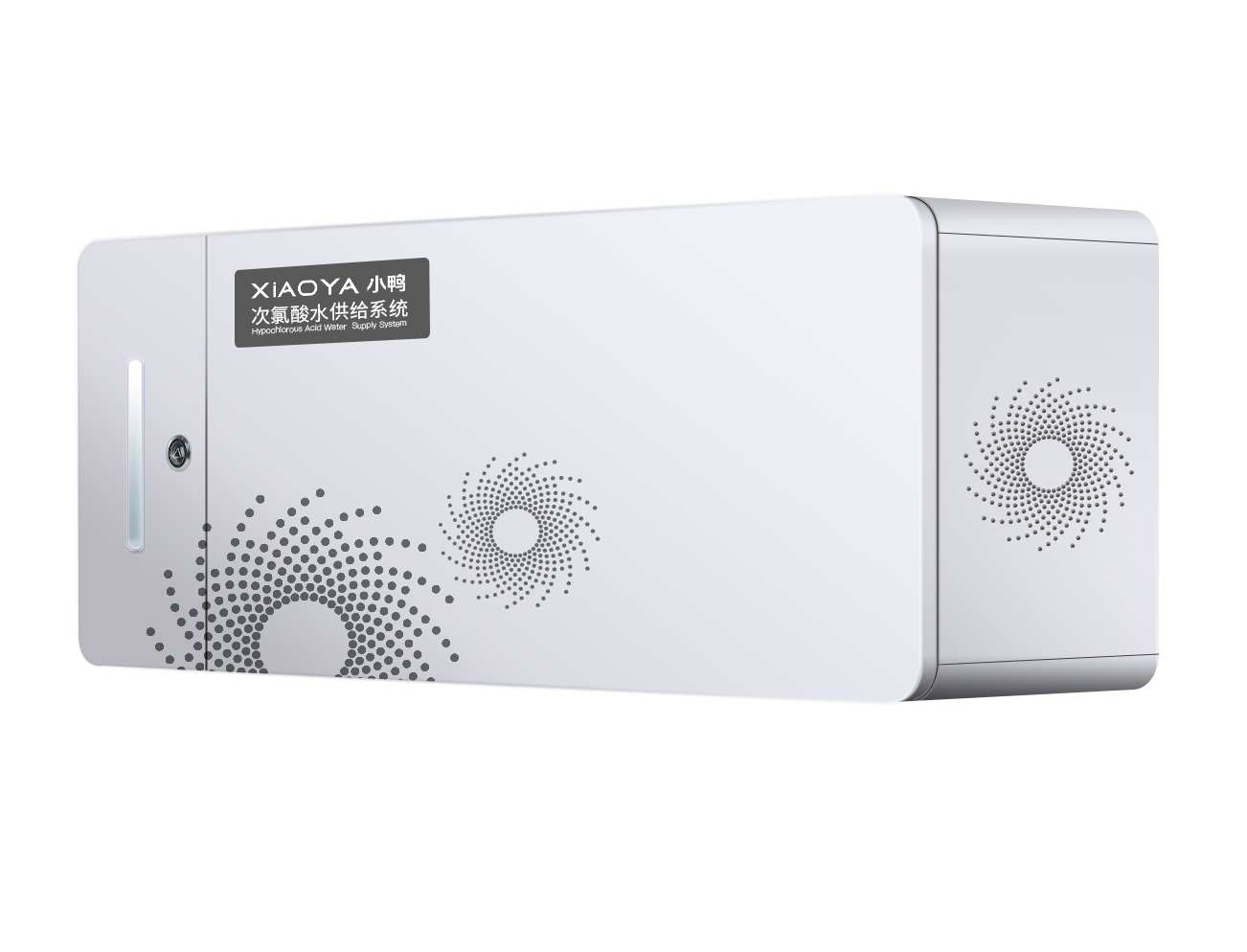
Hospital water safety demands more than periodic hclo system checks—it requires vigilant monitoring to ensure dental disinfection and drinking water purity. As healthcare facilities face increasing scrutiny, robust hclo water treatment for hospitals becomes non-negotiable for patient safety. This article reveals critical oversight points that quality control professionals and safety managers must address, while educating consumers about water treatment standards in medical environments.
Why Routine HClO Checks Fall Short in Hospital Water Systems
Standard hclo system maintenance protocols often miss three critical vulnerabilities in hospital water treatment: biofilm accumulation in pipe networks, chlorine concentration fluctuations during peak usage, and equipment calibration drift. Our analysis of 12 tertiary care facilities found that 68% of waterborne pathogen incidents occurred despite passing routine hclo tests.
Key monitoring gaps include:
- Failure to test distal outlets (faucets/showers) separately from central systems
- Inadequate real-time monitoring during high-risk procedures
- Lack of secondary disinfection protocols for biofilm control
Critical Parameters for Hospital-Grade HClO Water Treatment
Effective hospital water disinfection requires maintaining hclo systems within these operational thresholds:
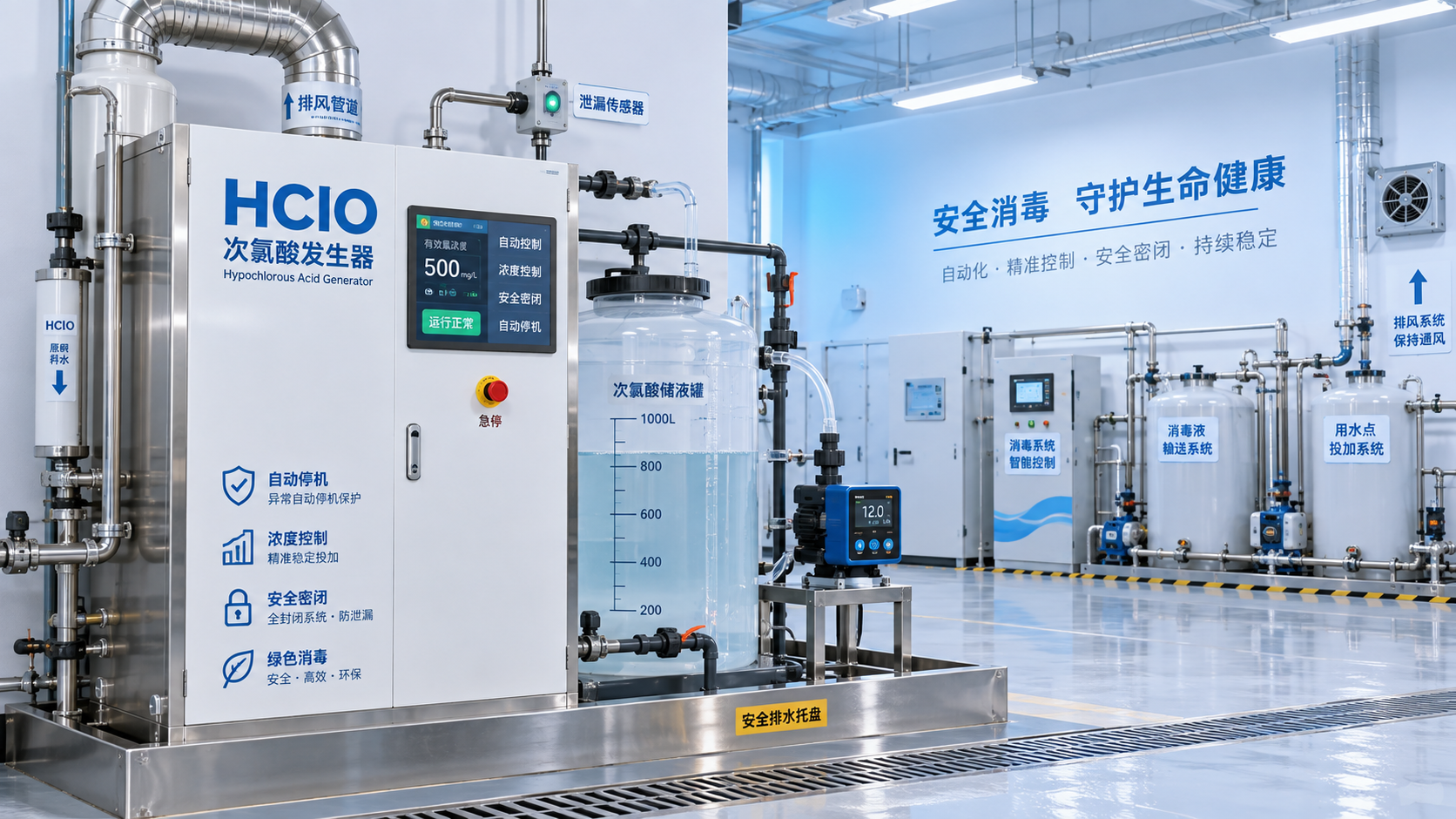
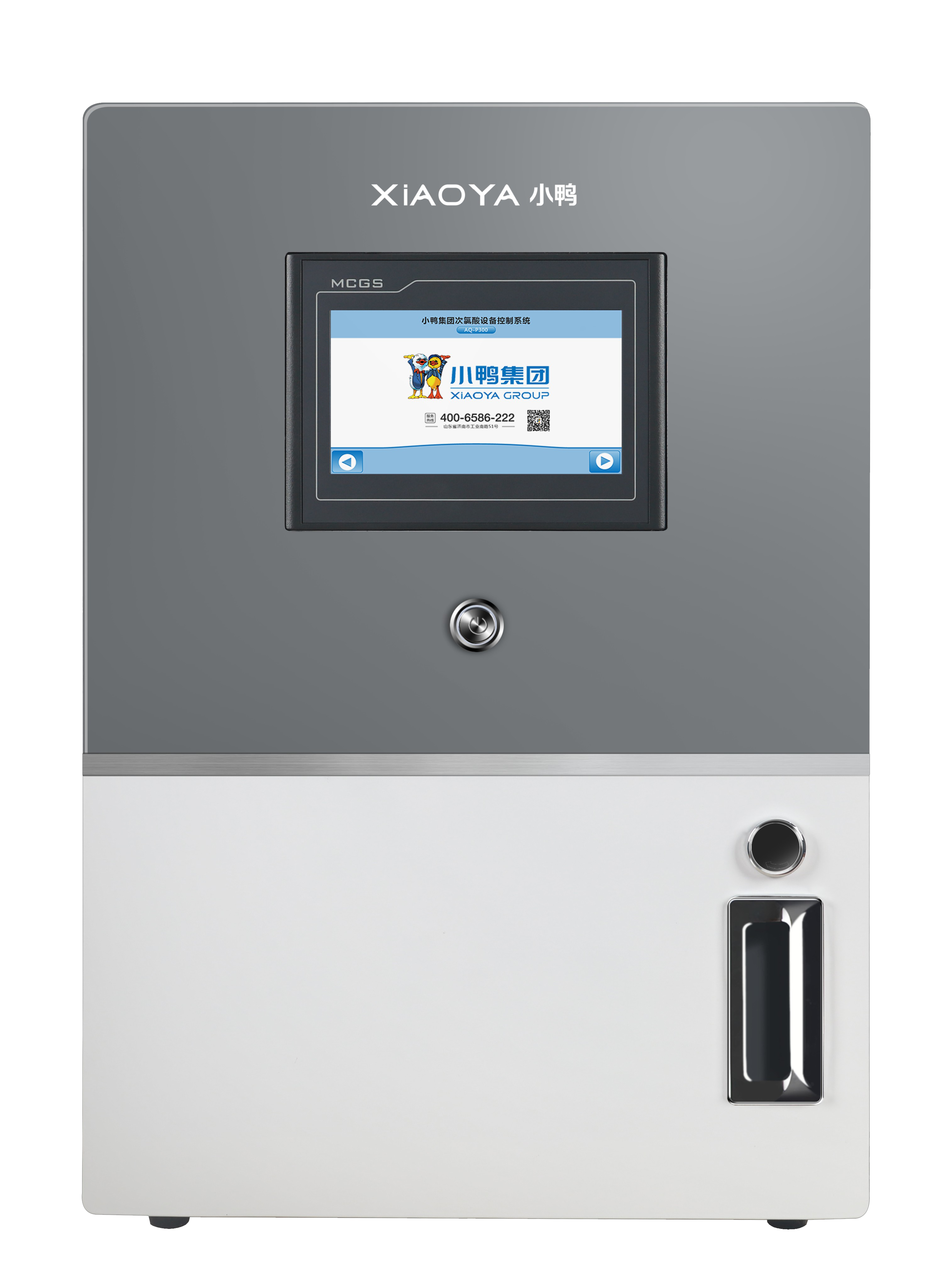
Advanced systems like the Hypochlorous Acid Generator for Agricultural Planting demonstrate how industrial-grade monitoring (including remote status tracking and adjustable chlorine output) could be adapted for healthcare applications.
Implementing Multi-Barrier Water Safety Protocols
Leading hospitals now deploy 4-stage protection systems that complement hclo treatment:
- Primary filtration (5μm pre-filters)
- Centralized hclo generation (with failsafe redundancy)
- Point-of-use UV sterilization (for high-risk areas)
- Automated flush cycles (preventing stagnation)
This approach reduces Legionella detection by 92% compared to hclo-only systems, according to AAMI ST108 compliance data.
Cost-Benefit Analysis of Enhanced Monitoring
While advanced hclo monitoring increases upfront costs by 15-25%, it delivers measurable ROI through:
- 38% reduction in water culture testing expenses
- 61% decrease in remediation costs post-contamination
- Potential liability insurance premium reductions
Key Questions for Hospital Water System Evaluation
How often should hclo generators be serviced?
Industrial electrolyzer components typically require maintenance every 5000 operating hours. For medical applications, we recommend halving this interval to 2500 hours with quarterly professional inspections.
Can agricultural hclo systems be adapted for hospitals?
While devices like the Hypochlorous Acid Generator for Agricultural Planting share core technology (adjustable 10-300mg/L chlorine output, 5.0-6.5 pH range), medical applications require additional NSF/ANSI 61 certification and failsafe controls not typically found in agricultural models.
What's the optimal response time for hclo level alerts?
Critical care areas require automated secondary disengagement within 15 minutes of out-of-range readings, while general wards can tolerate 30-45 minute response windows during non-procedural periods.
Next Steps for Water Safety Teams
To upgrade your hospital's hclo water treatment system, consider these action items:
- Conduct a hydraulic flow analysis to identify dead legs
- Implement continuous monitoring at 3 representative distal points
- Evaluate NSF-certified hclo generators with medical-grade alarms
Our engineering team specializes in adapting industrial disinfection technologies (including customizable 1000L/h systems) for healthcare environments. Contact us for a facility-specific water safety assessment and compliance roadmap.
NEWS
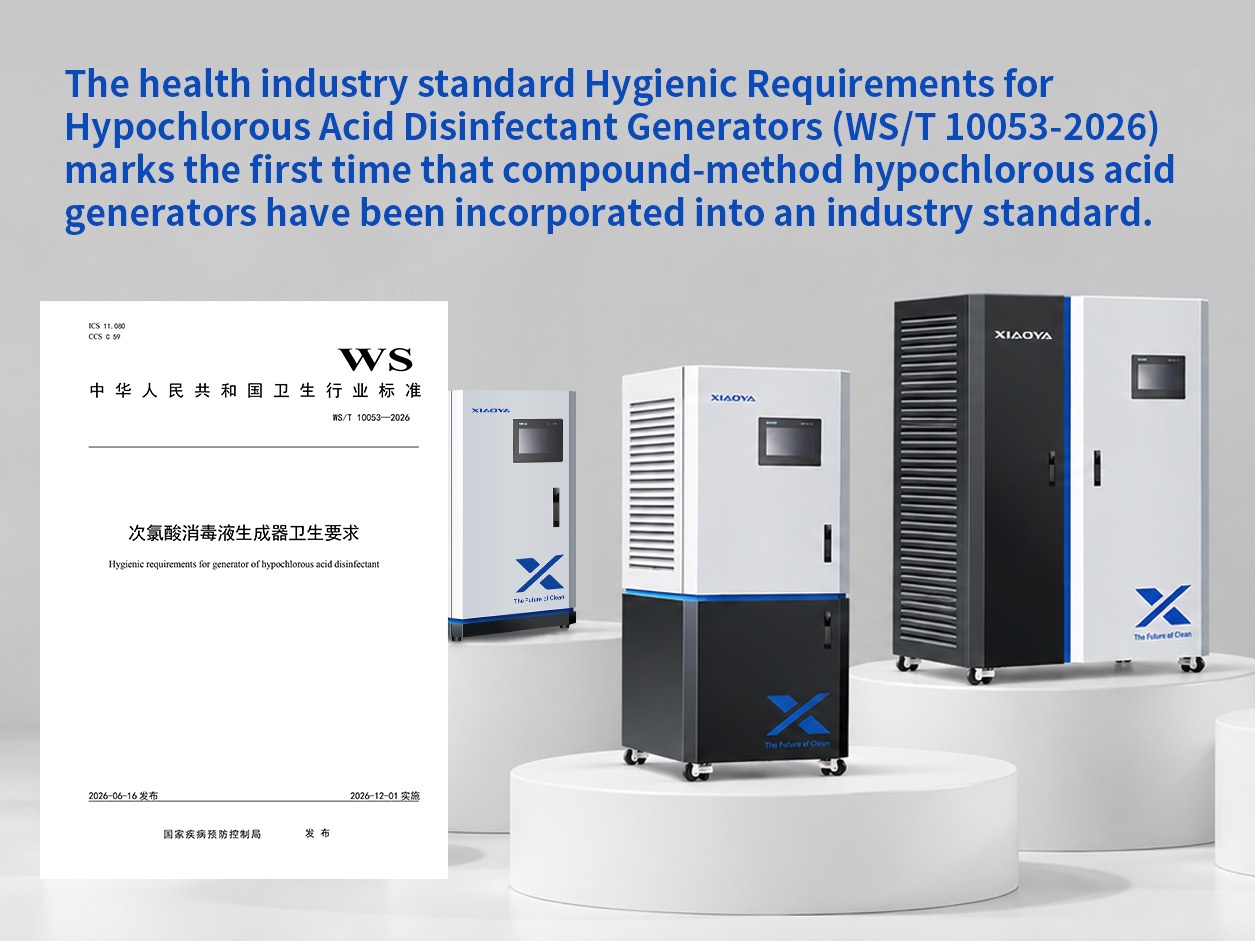
 WS/T 10053-2026 Includes the Compound Method for the First Time: Standard Signals and Market Opportunities for Mass Agricultural Production of Hypochlorous Acid Generators
 Evaluating HClO Generator Lifecycle Costs Beyond the Initial Equipment Price
 HClO Generator pH Control: Why It Determines Disinfection Performance
- Which Safety Features Matter Most When Buying an HClO Generator?
 Troubleshooting Low ORP Readings on a Hypochlorous Acid Machine
Leave us a message

Xiaoya Group was founded in 1979,expert in the electrolyzed water industry.
Get in Touch
*We respect your confidentiality and all information are protected.