news
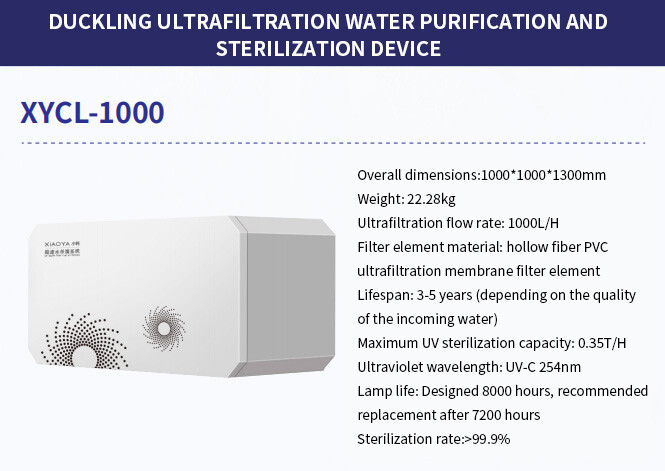
When it comes to HCLO water treatment for drinking water, most quality reports focus on basic disinfection metrics—but what about the hidden factors impacting safety and efficiency? As dental disinfection and hospital water systems increasingly adopt HCLO technology, quality control professionals and health-conscious consumers need deeper insights. This article reveals the untold aspects of HCLO performance, from long-term material compatibility to residual byproducts, empowering you to make informed decisions about water purity.
The Hidden Risks in HCLO Water Treatment Reports
Standard water quality reports typically highlight three key metrics: chlorine residual (0.2–2.0 mg/L), pH levels (6.5–7.5), and microbial kill rates (99.9%). However, these parameters don't account for critical operational factors that affect real-world performance:
- Material degradation: HCLO's oxidative properties can corrode stainless steel (304/316 grades) at rates up to 0.05 mm/year
- Byproduct formation: Trihalomethanes (THMs) may exceed 80 μg/L after 72 hours of storage
- Dosage drift: Automated systems can experience ±15% concentration fluctuations during peak demand
These undocumented variables explain why some installations achieve only 60–70% of their theoretical disinfection potential.
How to Evaluate HCLO Systems Beyond Basic Specs
For quality managers specifying HCLO equipment, these five underreported factors determine long-term success:
1. Electrolyzer Durability in Continuous Operation
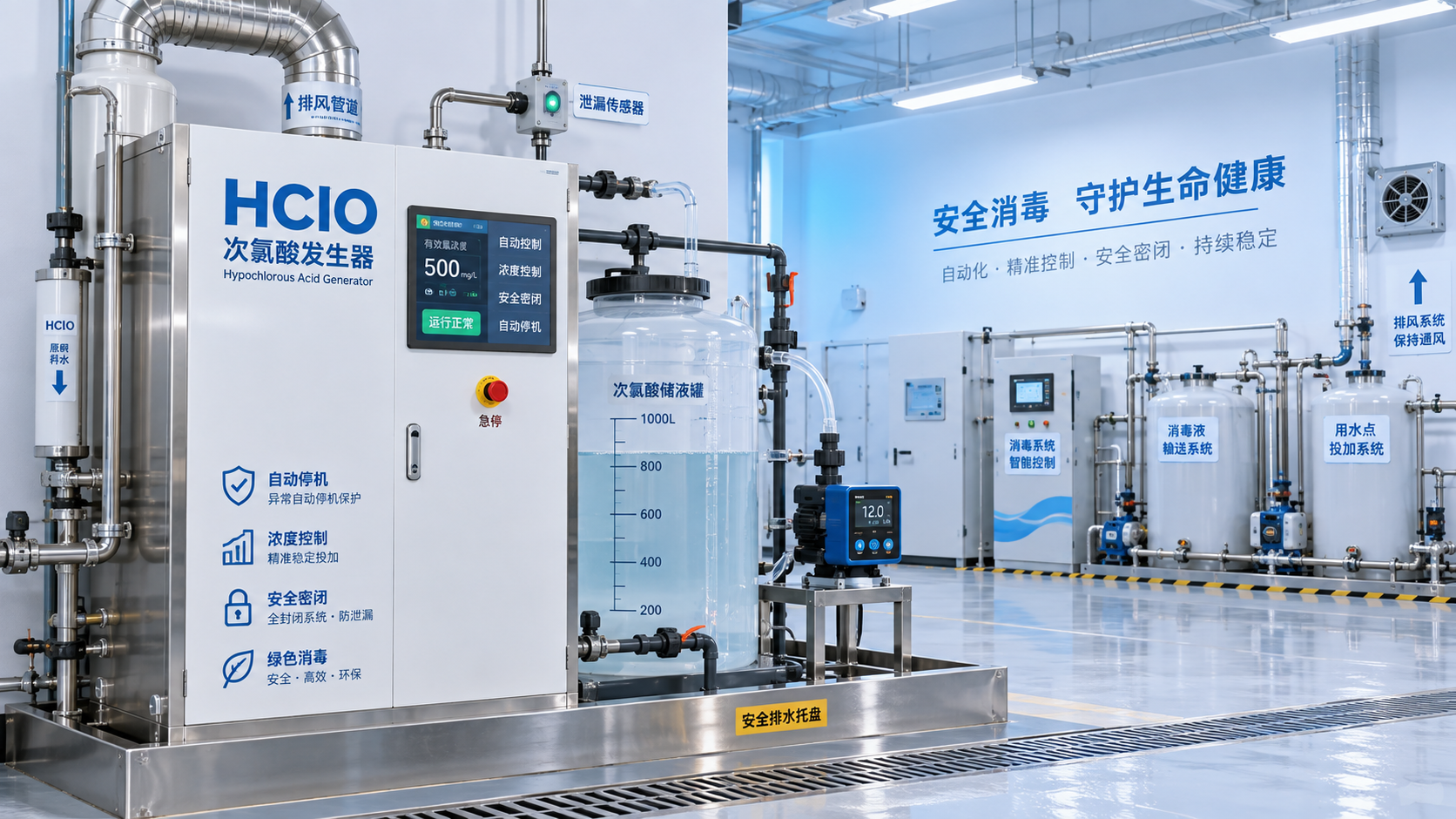
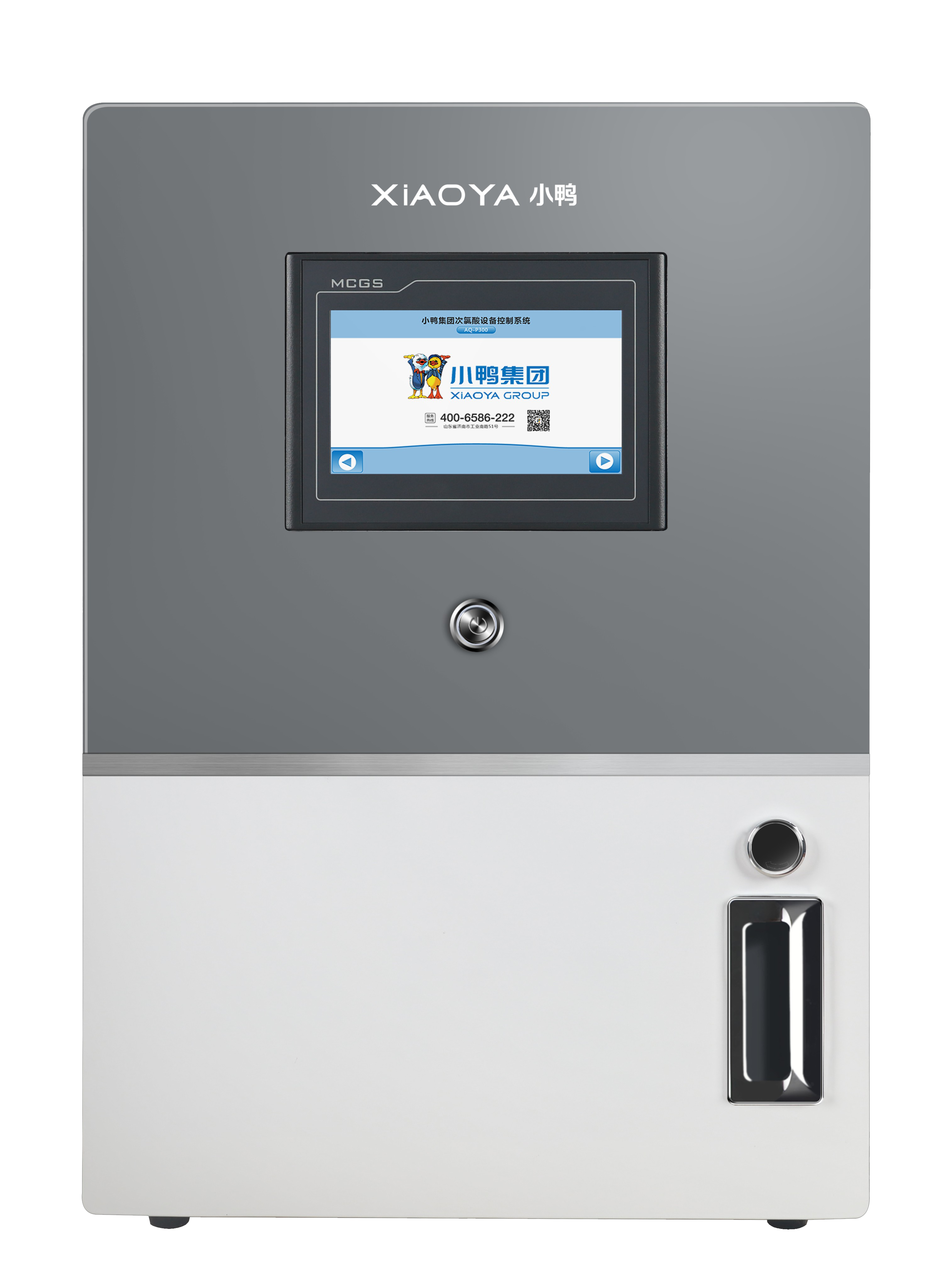
Industrial-grade systems should maintain stable output for 5,000–8,000 hours before requiring membrane replacement. The Hypochlorous Acid Generator for Agricultural Planting exemplifies this standard with its ≥5,000-hour electrolyzer lifespan—a benchmark rarely disclosed in consumer-grade units.
2. Real-Time Monitoring Capabilities
Advanced systems now offer smartphone-compatible monitoring of:
Such granular data prevents the "set-and-forget" failures common in basic HCLO installations.
HCLO vs. Alternative Disinfection Methods
While HCLO dominates dental and healthcare applications, understanding its limitations versus other technologies ensures proper implementation:
This comparison reveals HCLO's optimal use case: applications requiring residual protection with moderate flow rates (50–1,000 L/h).
Implementing HCLO Safely: A QC Checklist
For quality teams deploying HCLO systems, these seven verification steps prevent operational surprises:
- Confirm electrolyzer certification (ISO 15883 or EN 14885)
- Validate chlorine concentration adjustability (10–300 mg/L range)
- Test material compatibility with your plumbing (72-hour exposure test)
- Verify remote monitoring integration capabilities
- Establish byproduct testing protocol (weekly THM checks)
- Calibrate ORP sensors monthly (±5 mV accuracy)
- Document membrane replacement schedule (every 5,000 operating hours)
Why Industrial-Grade HCLO Matters for Water Safety
Consumer HCLO generators often cut corners on:
- Electrolyzer purity (food-grade vs. industrial titanium)
- Control algorithms (basic timers vs. adaptive dosing)
- Material certifications (ABS plastic vs. 316L stainless steel)
These differences explain why healthcare facilities specify systems with ≥1,000 L/h capacity and industrial-grade components—specifications mirrored in agricultural models like the AQ-P1000 series.
Your Next Steps for Water Treatment Excellence
Ready to implement HCLO with full transparency? Our engineering team specializes in:
- Custom concentration profiling for your water chemistry
- Material compatibility testing with your existing infrastructure
- Integration with SCADA/PLC systems for real-time monitoring
Contact us today for a system assessment—we'll help you see beyond the standard reports to achieve truly safe water.
NEWS
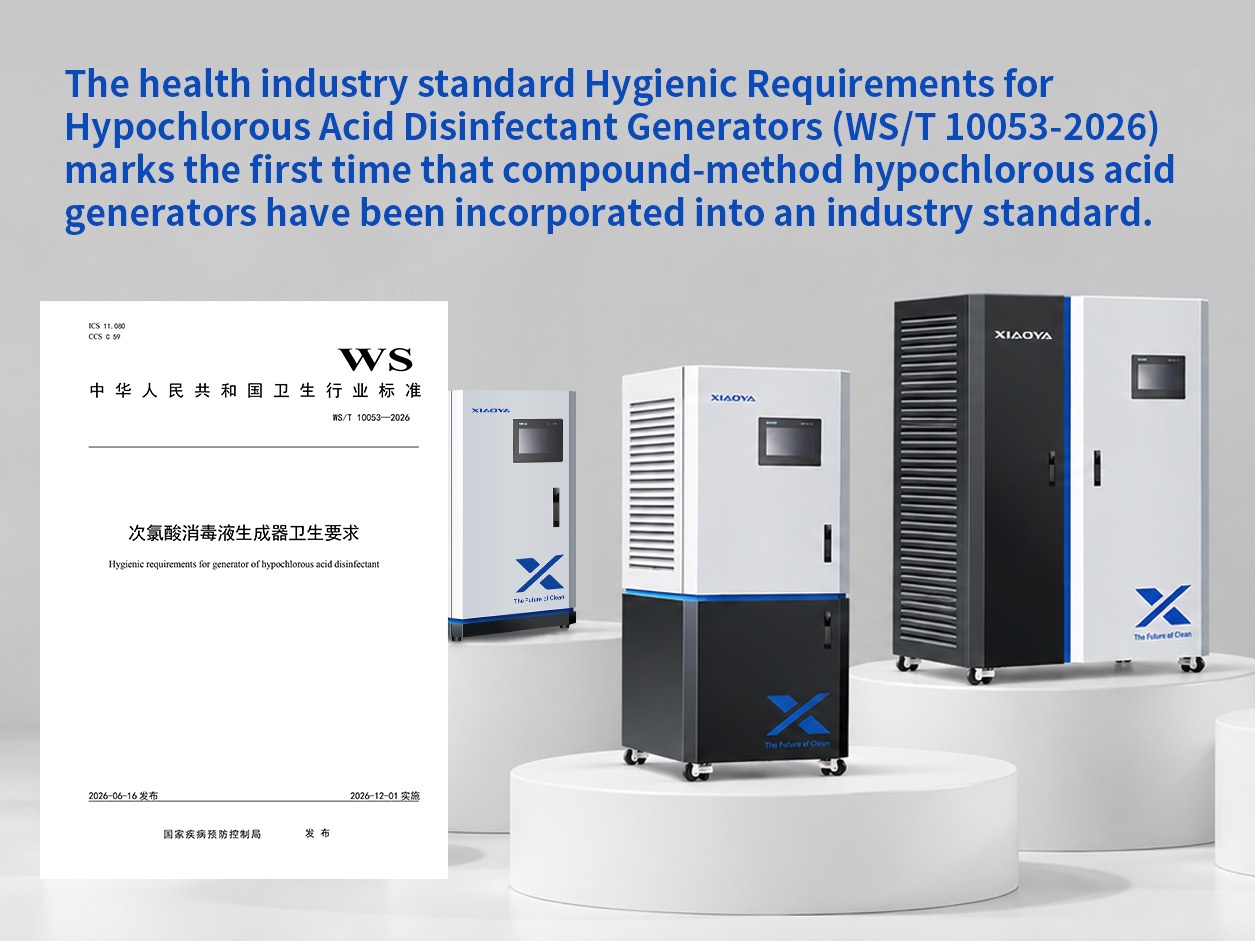
 WS/T 10053-2026 Includes the Compound Method for the First Time: Standard Signals and Market Opportunities for Mass Agricultural Production of Hypochlorous Acid Generators
 Evaluating HClO Generator Lifecycle Costs Beyond the Initial Equipment Price
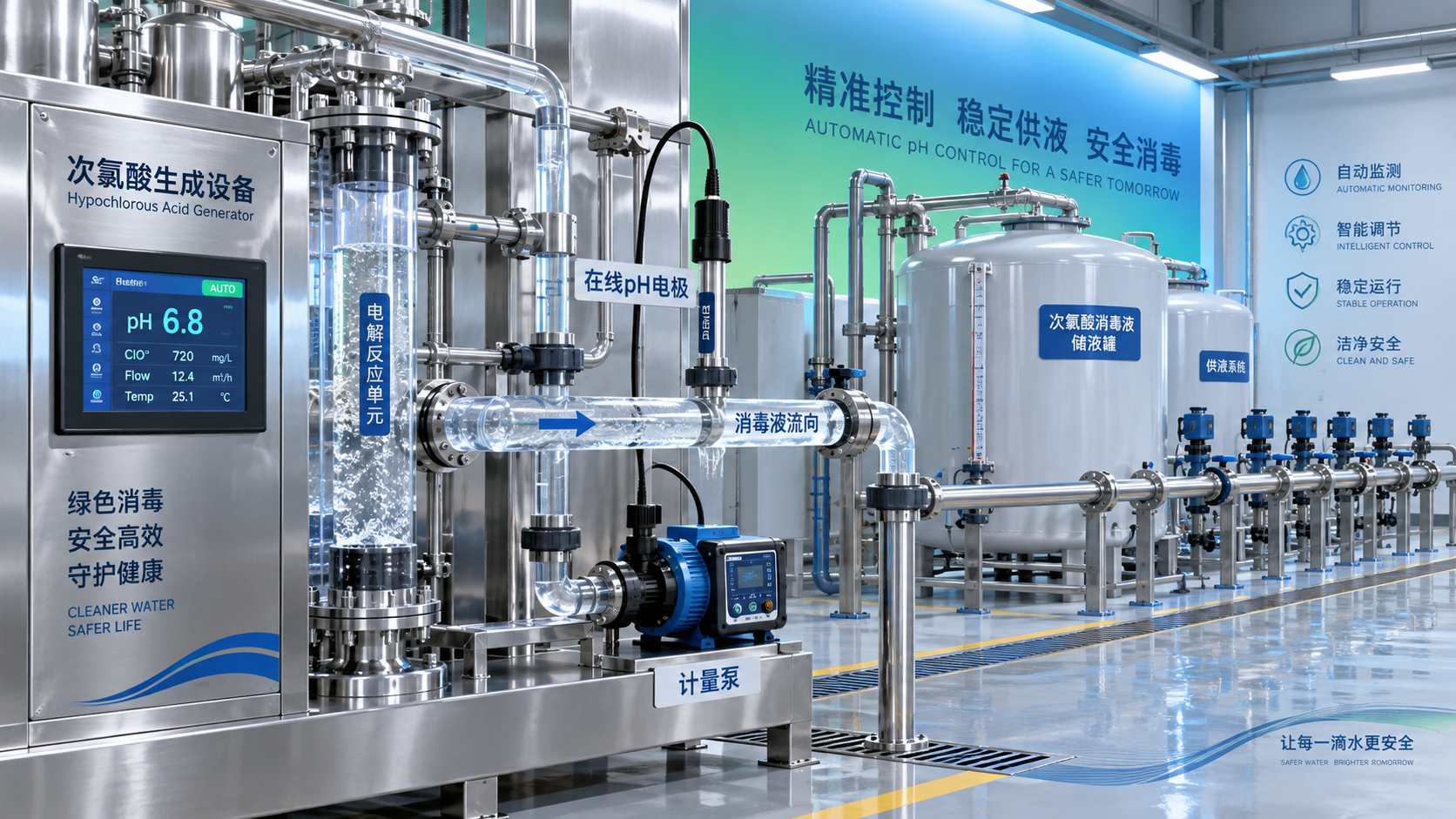
 HClO Generator pH Control: Why It Determines Disinfection Performance
- Which Safety Features Matter Most When Buying an HClO Generator?
 Troubleshooting Low ORP Readings on a Hypochlorous Acid Machine
Leave us a message

Xiaoya Group was founded in 1979,expert in the electrolyzed water industry.
Get in Touch
*We respect your confidentiality and all information are protected.