news
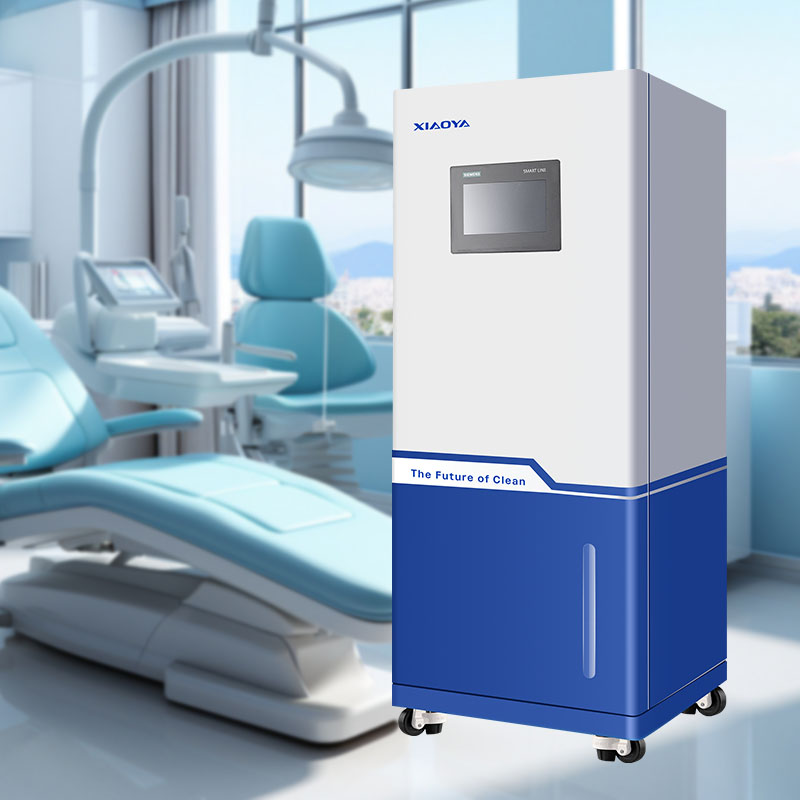
A hypochlorous acid generator works by using electricity to convert water and a measured electrolyte, usually salt, into a disinfecting solution whose active ingredient is hypochlorous acid (HClO). The process is automated, but the quality of the solution still depends on several practical factors: water quality, electrolyte dosage, pH control, concentration, storage time, and how the solution is applied.
This matters because hypochlorous acid is not simply “salt water with electricity.” A generator must create and maintain the chemical conditions that favor HClO, rather than producing an unstable or overly alkaline chlorine solution with a different performance profile.
What happens inside the generator
Most hypochlorous acid generators follow a controlled electrolysis process. Water enters the unit, a small amount of electrolyte is added, and the mixture passes through an electrolytic cell. When electrical current runs through electrodes in that cell, the dissolved salt is converted into reactive chlorine species.
In simplified terms, chloride ions from the salt are transformed into chlorine-related compounds. When these compounds react with water, they can form hypochlorous acid. The generator controls the electrolysis conditions so that the finished liquid is slightly acidic or near neutral, where hypochlorous acid is the more useful active form.
Hypochlorous acid is also a substance associated with the body’s natural immune response. In a disinfection setting, its oxidizing action can disrupt microorganisms. It is used for surface sanitation and hygiene applications because it can be effective at relatively low available chlorine concentrations while avoiding the strong odor and persistent residues commonly associated with some conventional chlorine products.
The electrolysis cell is only one part of the system
It is easy to assume that the electrolyzer alone determines whether a generator performs well. In practice, the surrounding control system is just as important. A usable automated disinfection device needs to manage water intake, electrolyte supply, current, production time, and often the target concentration.
The main operating sequence usually looks like this:
- Water preparation: The unit receives water within its specified inlet-pressure range. Water with excessive mineral content or contaminants can affect electrode condition and production consistency.
- Electrolyte dosing: A controlled amount of salt solution or other approved electrolyte is introduced. Too little may reduce output; too much can shift the chemistry and leave unnecessary residual salts.
- Electrolysis: Current passes through the cell, creating the chlorine-based oxidizing species needed to form HClO.
- pH and concentration control: The device regulates production conditions to reach a solution suited to its intended use. Available chlorine concentration indicates the amount of active chlorine species present, while pH strongly affects which species dominates.
- Dispensing or storage: The finished solution is sent to a spray system, rinse line, storage tank, or manual container for use.
For routine hygiene work, the aim is not merely to produce a high concentration. The aim is to produce a solution with an appropriate concentration and chemical balance for the surface, application method, contact time, and safety requirements involved.
Why pH changes the result
pH is one of the most important, and most misunderstood, parts of hypochlorous acid generation. “Available chlorine” can be present in more than one chemical form. In a strongly alkaline solution, hypochlorite ion tends to dominate. In a slightly acidic range, a greater share can exist as hypochlorous acid.
That distinction affects practical use. A generator designed for slightly acidic HClO water is intended to produce a disinfecting solution that is suitable for applications where odor, residue, and material compatibility matter. This is particularly relevant in kitchens, bathrooms, care environments, and animal-related facilities, where repeated treatment of surrounding surfaces may be needed.
However, lower pH is not automatically better. An overly acidic solution can become less suitable for some materials or operating conditions. The correct target depends on the equipment design and the intended task. A reliable system should produce a stable, repeatable range rather than asking the operator to judge the chemistry by smell or appearance.
How the solution is used matters as much as how it is made
Freshly generated hypochlorous acid water can be applied by spraying, wiping, rinsing, or soaking, depending on the item being treated. A spray may be practical for enclosures, floors, handles, and washroom surfaces. Wiping is better where physical soil must be removed. Rinsing can suit equipment or spaces designed for washdown, while soaking may be appropriate for compatible tools or accessories.
Disinfection does not replace cleaning. Organic debris, grease, hair, feed residue, and visible dirt can shield microorganisms and consume the active ingredient before it reaches the intended surface. In a heavily soiled area, remove the soil first, then apply the hypochlorous acid solution with enough coverage and contact time for the task.
Another common mistake is treating a generator like a permanent chemical storage system. Hypochlorous acid can gradually lose activity, especially when exposed to heat, sunlight, air, or contaminated containers. Producing only the volume needed for regular use and storing it in clean, opaque, compatible containers helps preserve practical effectiveness.
What to check when selecting a generator
For a small household application, compact output and simple operation may be enough. For a facility with frequent cleaning cycles, the more relevant questions are daily volume, concentration control, automation, water connection requirements, and electrolyzer service life. Output alone does not tell the full story.
In pet breeding, grooming, veterinary care, and public pet spaces, concentration flexibility is especially useful because one location may need to treat floors, cages, tools, transport areas, and surrounding surfaces. A system such as the Hypochlorous Acid Generator for the Pet Industry (P100-4G) illustrates this facility-oriented approach: it produces slightly acidic hypochlorous acid water, provides adjustable available chlorine concentration from 10 to 80 ppm for different scenarios, and has an output range of 60 to 120 liters per hour. Its one-key automated production is useful where staff need a repeatable process rather than manual chemical mixing.
Where a generator is a good fit, and where it is not
A hypochlorous acid generator is a strong fit when a site uses disinfectant frequently, wants to reduce handling and storage of pre-mixed chemicals, and has predictable access to water, power, and basic maintenance. It can support routine sanitation in food-preparation areas, bathrooms, healthcare-adjacent environments, cleaning stations, and animal-care spaces.
It is less suitable when the work requires a specialty disinfectant for a specific regulated procedure, when the target surface has unusual material compatibility needs, or when operators cannot maintain the system and verify its output. The device produces a solution; it does not remove the need for a defined cleaning process, appropriate application equipment, or staff training.
Before choosing a unit, define the surfaces to be treated, the required daily volume, whether the solution will be used immediately or stored, and whether spray, rinse, wipe, or soak application is needed. Those answers determine the appropriate output capacity and control features far more reliably than choosing by machine size alone.
NEWS
 Disinfection Empowers Orthodontic Safety: Hypochlorous Acid Generators Build a Sterile Defense Line for Dental Instruments
- Accumulating Strength and Reaching New Heights: A Record of the Production Breakthrough of Xiaoya Small Home Appliances' Hypochlorous Acid Generators
 Medical HOCl Generator Procurement: Service, Training, and Traceability
- Integrating a Medical HOCl Generator into Hospital Cleaning Stations
 Verifying HOCl Concentration and Contact Time for Hospital Surfaces
Leave us a message

Xiaoya Group was founded in 1979,expert in the electrolyzed water industry.
Get in Touch
*We respect your confidentiality and all information are protected.