news
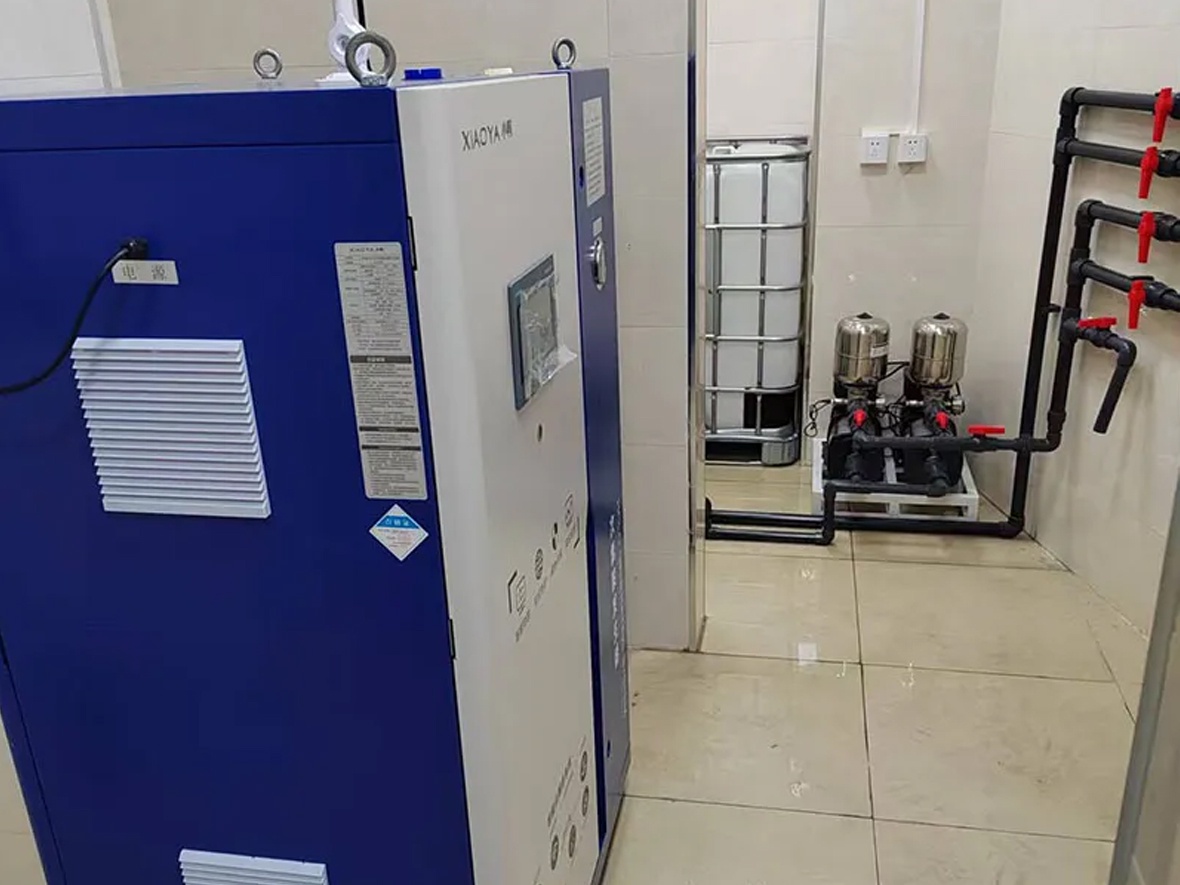
Nozzle clogging is one of the fastest ways to weaken spray quality in hclo disinfection systems. Once the mist pattern becomes uneven, coverage drops, dosage control drifts, and service calls increase. In automated disinfection equipment, especially where stable output and hygiene compliance matter, preventing blockage is more practical than repeatedly reacting to it.
This matters across a wide equipment base, from health care and disinfection appliances to kitchen, bathroom, and small household systems. For companies that integrate R&D, production, and operation, maintenance quality directly affects field reliability, component life, and brand trust.
Why nozzles clog in hclo disinfection systems
Most blockages do not start at the nozzle itself. They usually begin upstream, then show up at the spray point.
Common causes include mineral scaling, undissolved electrolyte residue, degraded seals, pipe debris, microbial film, and concentration instability. In some cases, long idle periods allow liquid to dry inside the tip.
Pressure fluctuation is another hidden factor. When pumps pulse unevenly, particles that might otherwise pass through can accumulate at narrow openings. Poor flushing routines then turn minor deposits into full blockage.
The most frequent root causes in the field
- Hard water entering the dilution or cleaning process
- Improper electrolyte mixing or storage contamination
- Aging filters with reduced capture efficiency
- Incompatible nozzle materials or damaged orifices
- Shutdown without purging the line
What maintenance should monitor before clogging appears
The best prevention work starts with trend observation. A nozzle rarely clogs without earlier warning signs.
Watch for spray angle changes, dripping after shutdown, pressure drift, rising pump load, and inconsistent droplet size. If hclo disinfection performance falls while concentration appears normal, the spray side deserves immediate inspection.
Practical steps that reduce blockage risk
Routine prevention does not need to be complicated. It needs to be consistent and tied to operating conditions.
Keep the liquid path clean
Use clean input water where the process requires dilution or cleaning. Replace filters on schedule, not only after visible failure. If the site has hard water, scale control becomes essential.
Control concentration and pH stability
Poorly controlled chemistry can leave more residue inside the spray path. Stable hclo disinfection output supports both efficacy and nozzle health.
Systems with tighter concentration control can reduce avoidable maintenance variation. For example, Hypochlorous Acid Full-Scenario Disinfection System for Horse Farms uses PLC touch control, data export, and stable concentration within ±10 ppm.
Flush before long shutdowns
If the equipment will sit idle, purge the line according to the service procedure. Dried residue inside a fine nozzle is one of the most common preventable service issues.
Avoid aggressive cleaning damage
Using metal pins or hard tools can deform the orifice. Once the geometry changes, spray performance may never recover fully, even if the blockage is removed.
How automation changes the maintenance approach
In automated disinfection equipment, nozzle care should be treated as part of system control, not only as a manual cleaning task.
When the machine includes flow monitoring, touchscreen diagnostics, exported operating data, or concentration records, service teams can identify patterns before field failure occurs. That reduces repeat visits and helps standardize maintenance quality.
This is especially useful in larger applications such as farms, equestrian facilities, and breeding bases, where output demand can reach 180 to 300 L/h and spray consistency affects broad-area sanitation.
Scene-specific attention points
Not every hclo disinfection installation clogs for the same reason. The site environment changes the maintenance priority.
- Health care environments need strict spray uniformity and documented cleaning records.
- Kitchen and bathroom appliance applications often face scale, detergent residue, and intermittent use.
- Agricultural and animal facilities may introduce dust, organic matter, and high duty cycles.
- Small appliance platforms require compact piping, making minor residue more disruptive.
In demanding animal-use settings, systems designed for safe, residue-free operation and flexible concentration adjustment can make maintenance easier. The AQ-P300 platform, for instance, combines pH 5.0 to 6.5 control with customizable chlorine concentration from 10 to 120 ppm.
A workable inspection routine
A simple checklist often prevents most recurring nozzle issues in hclo disinfection equipment.
- Confirm inlet water condition and filter status
- Review concentration, pH, and output records
- Check spray pattern against baseline
- Inspect nozzle tip, tubing joints, and seals
- Flush after service and after extended downtime
- Record repeat failures by site and operating hours
If clogging keeps returning, the answer is usually upstream. Review water quality, chemical handling, pressure stability, and whether the system design matches the actual environment.
That is the right point to compare nozzle selection, filtration stages, and data-enabled platforms with recognized compliance standards such as CE, FDA, EPA, USDA, and related hygiene requirements. Better maintenance decisions start with better operating evidence.
NEWS
 Upgrade in Healthy Living: Hypochlorous Acid Generators Become the New Standard for Luxury Villas
- The Ultimate Solution to Pet Shop Disinfection Challenges! XIAOYA Hypochlorous Acid Generator: Safe Pet Protection with Peace of Mind
 Hypochlorous Acid Generator vs Sodium Hypochlorite Generator
- Hypochlorous Acid Generator Supplier
- Hypochlorous Acid Generator Manufacturer
Leave us a message

Xiaoya Group was founded in 1979,expert in the electrolyzed water industry.
Get in Touch
*We respect your confidentiality and all information are protected.