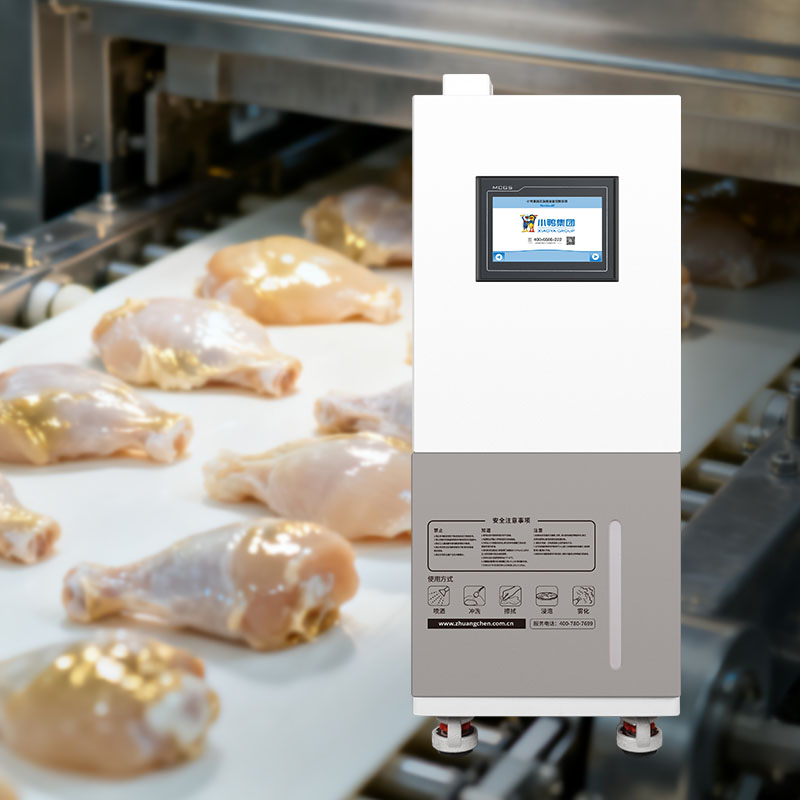
Key Considerations for Meat Disinfection Systems in Large Processing Plants
Selecting the optimal meat disinfection system is critical for large-scale processing plants to ensure food safety and operational efficiency. This guide explores advanced solutions like HClO disinfection technology, comparing effectiveness with dental disinfection applications. Discover how modern disinfection systems can streamline your production while meeting stringent hygiene standards, helping you make informed decisions for your facility's unique requirements.
1. Understanding Disinfection Technologies for Meat Processing
Modern meat processing facilities require robust disinfection systems capable of handling high-volume production while eliminating pathogens. The most effective technologies typically combine chemical and physical methods to achieve comprehensive microbial control.
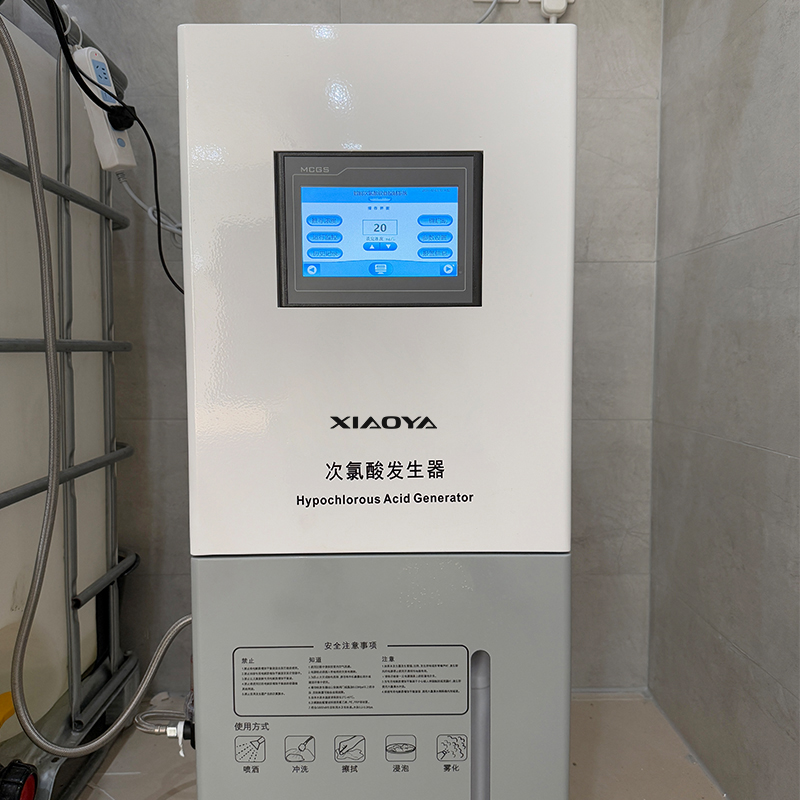
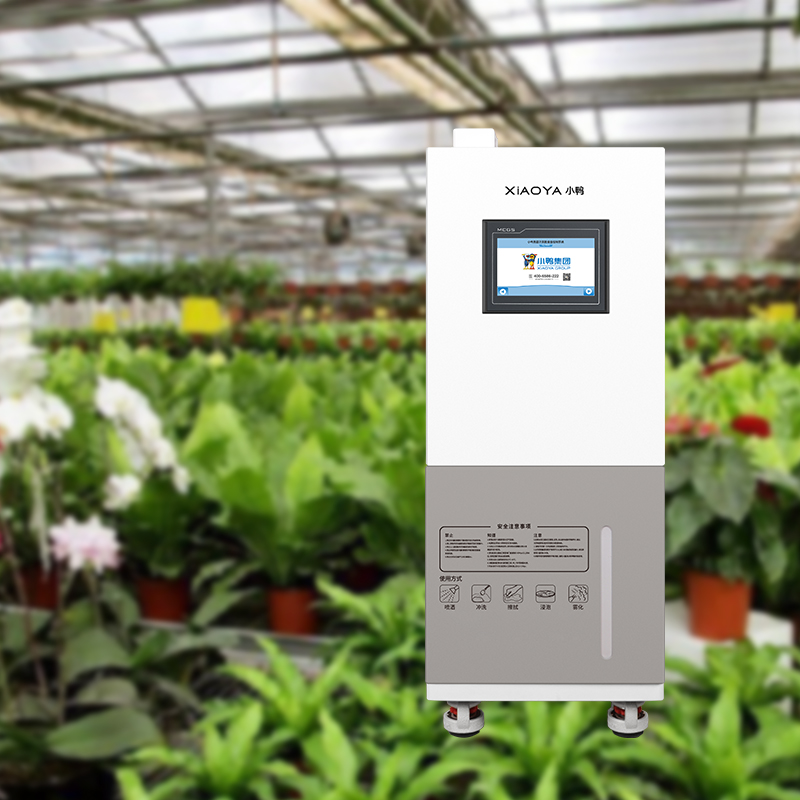
Hypochlorous acid (HClO) systems have demonstrated superior performance in both meat processing and medical environments. The Hypochlorous acid generator for medical disinfection showcases how this technology can be adapted for industrial food applications, offering customizable chlorine concentrations from 10-300 mg/L to match specific processing requirements.
2. Critical System Specifications for Large-Scale Operations
When evaluating disinfection systems for meat processing plants, several technical parameters directly impact performance and ROI:
- Production capacity (minimum 1,000 L/h for medium facilities)
- pH stability (optimal range of 5.5-7.0 for meat safety)
- Automation capabilities (PLC controls preferred)
- Integration with existing processing lines
- Maintenance requirements (electrolyzer lifespan ≥3,000 hours)
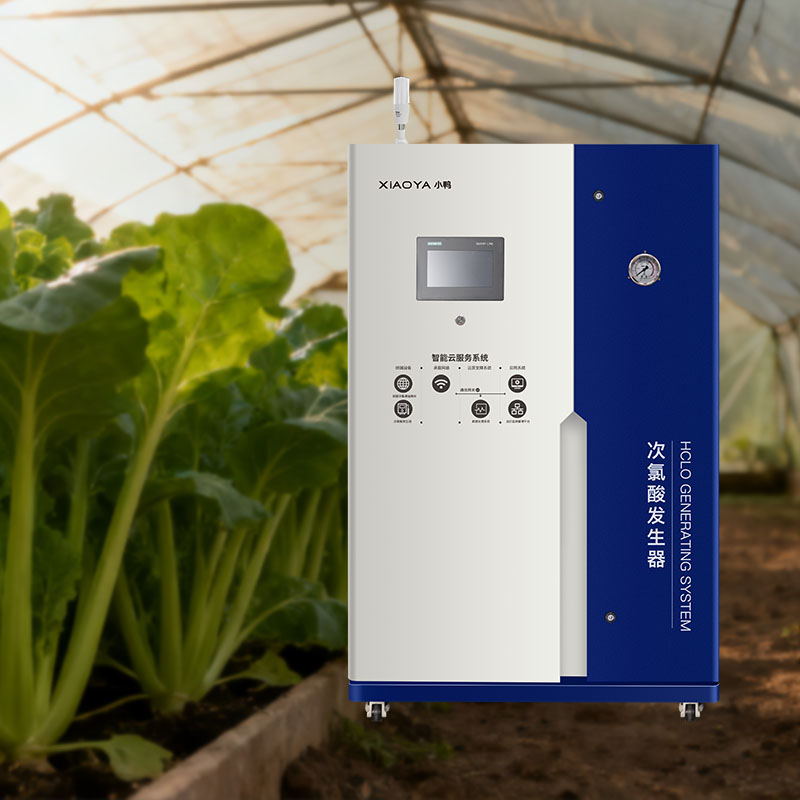
Industrial-grade systems should feature modular designs that allow for capacity expansion as production needs grow. The AQ-P1000 model demonstrates this scalability, with customizable generation capacities that can be adjusted based on processing volume fluctuations.
3. Operational Efficiency and Safety Considerations
Food processing plants must balance disinfection effectiveness with operational practicality. HClO systems offer distinct advantages in this regard:
The non-corrosive nature of properly formulated HClO solutions makes them particularly suitable for meat processing environments where equipment longevity is crucial. Systems with IoT capabilities allow for remote monitoring of disinfection parameters, reducing manual checks by 40-60% in typical installations.
4. Implementation and Maintenance Best Practices
Successful integration of a new disinfection system requires careful planning across several operational phases:
- Pre-installation assessment (2-4 weeks for large facilities)
- System configuration (pH optimization, flow rate calibration)
- Staff training (8-16 hours for operations team)
- Performance validation (microbiological testing)
- Ongoing maintenance (quarterly system checks)
Modern systems with touchscreen interfaces and automated diagnostics significantly reduce the learning curve for operators. The humanized UI design found in advanced generators allows for intuitive operation with minimal training requirements.
5. Cost-Benefit Analysis for Large-Scale Adoption
While advanced disinfection systems require higher initial investment (typically $15,000-$50,000 for industrial units), they deliver measurable ROI through:
- Reduced product recalls (potential savings of $250,000+ per incident)
- Lower chemical costs (30-50% reduction versus traditional sanitizers)
- Extended equipment lifespan (corrosion-resistant components)
- Compliance with evolving food safety standards
Facilities processing over 10,000 kg of meat daily typically see payback periods of 12-18 months when upgrading to advanced disinfection technologies.
6. Future-Proofing Your Disinfection Strategy
As regulatory requirements tighten and consumer expectations rise, meat processors should consider systems with:
- Expandable architecture for additional treatment points
- 4G connectivity for remote firmware updates
- Compatibility with emerging disinfection protocols
- Data logging for compliance documentation
The modular configuration of industrial HClO generators allows for seamless integration of new features as technology advances, protecting your investment over the 5-7 year typical equipment lifecycle.
Conclusion: Optimizing Your Meat Safety Infrastructure
Selecting the right disinfection system requires balancing technical specifications, operational requirements, and long-term business objectives. Advanced HClO technology offers a compelling solution for large-scale meat processors seeking to enhance food safety while maintaining production efficiency.
For facilities considering an upgrade, we recommend evaluating systems with proven medical-grade disinfection capabilities that can be adapted to food processing applications. The Hypochlorous acid generator for medical disinfection demonstrates how industrial-scale solutions can deliver both performance and operational flexibility.
Contact our food safety specialists today to discuss customized disinfection solutions for your specific processing requirements and facility layout.
NEWS
 Upgrade in Healthy Living: Hypochlorous Acid Generators Become the New Standard for Luxury Villas
- The Ultimate Solution to Pet Shop Disinfection Challenges! XIAOYA Hypochlorous Acid Generator: Safe Pet Protection with Peace of Mind
 Hypochlorous Acid Generator vs Sodium Hypochlorite Generator
- Hypochlorous Acid Generator Supplier
- Hypochlorous Acid Generator Manufacturer
Leave us a message

Xiaoya Group was founded in 1979,expert in the electrolyzed water industry.
Get in Touch
*We respect your confidentiality and all information are protected.