Understanding Hypochlorous Acid vs. Ozone Generators for Fruit Preservation
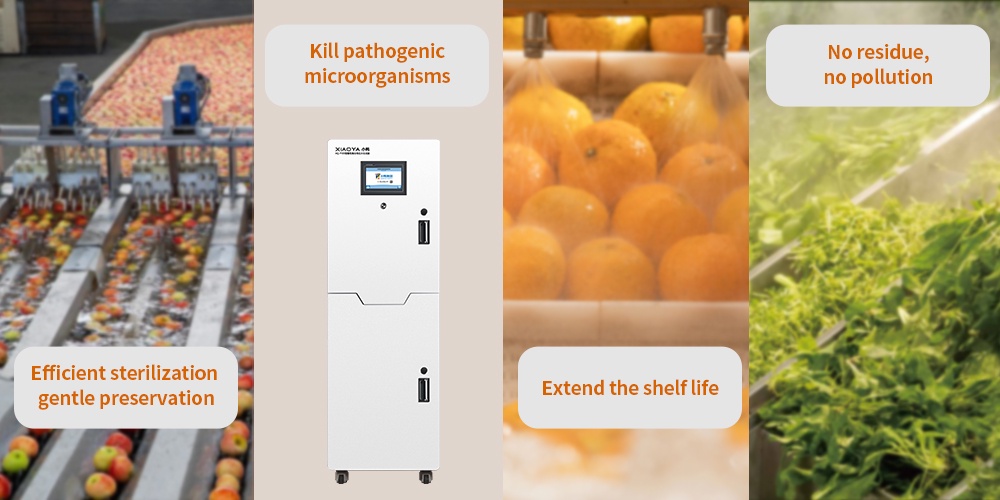
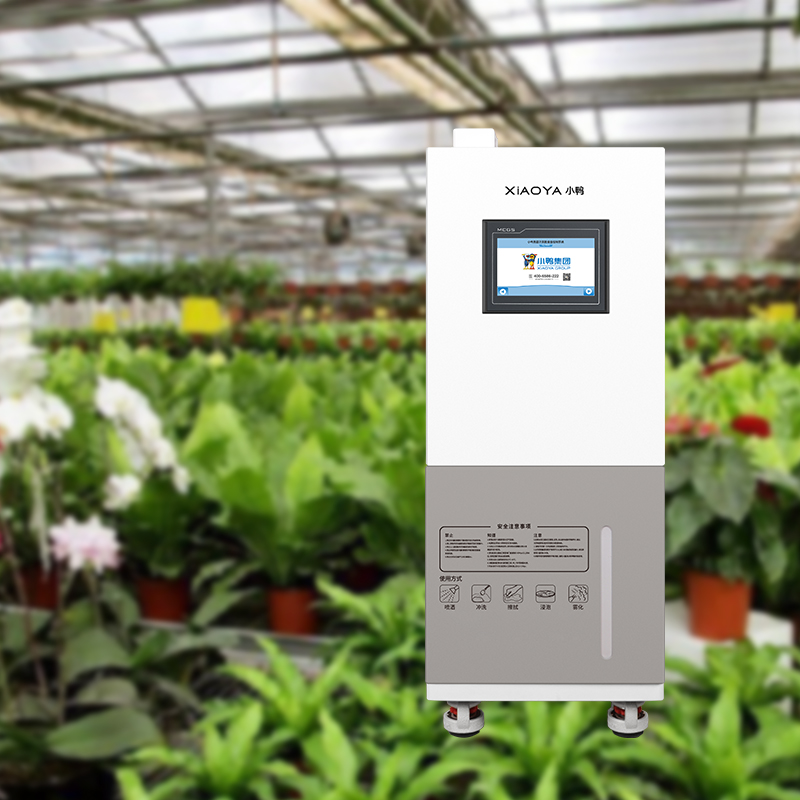
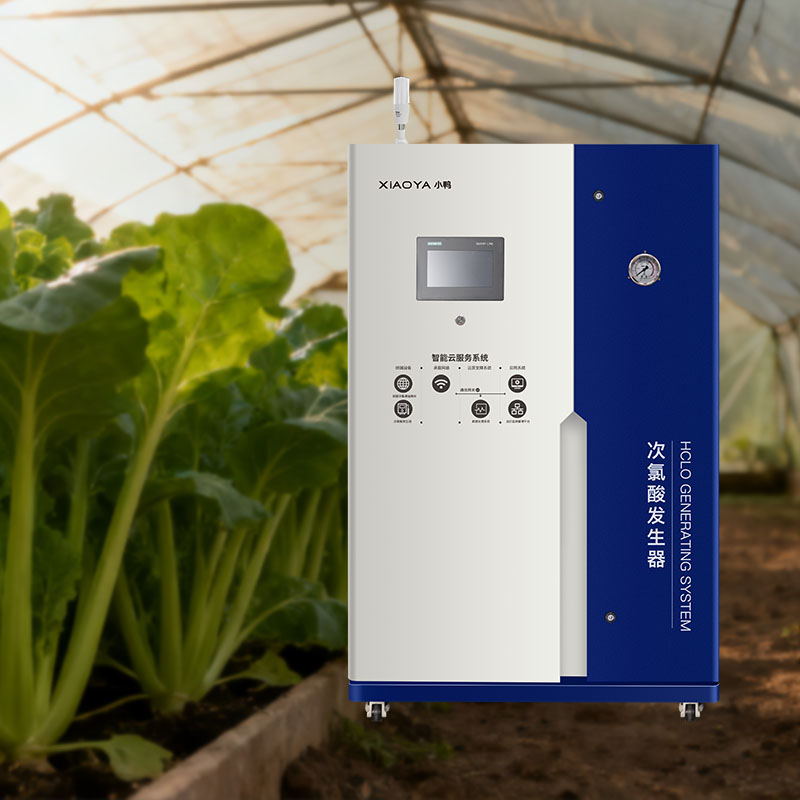
When it comes to fruit preservation, choosing between hypochlorous acid generators and ozone generators can significantly impact freshness and shelf life. The Hypochlorous Acid Generator for Fruit Fresh-keeping offers a gentle yet effective solution, eliminating harmful bacteria without altering taste or texture. This article explores the key differences between these technologies, helping operators and technical evaluators make informed decisions for optimal food preservation results.
How Hypochlorous Acid Generators Work
Hypochlorous acid (HClO) generators utilize electrolysis to produce a mild disinfectant solution from water, salt, and electricity. The resulting solution typically contains 50-200 ppm of HClO, which is:
- 99.9% effective against common fruit pathogens like E. coli and Salmonella
- pH-neutral (5.5-6.5), preventing fruit surface damage
- Odorless and tasteless, preserving fruit quality
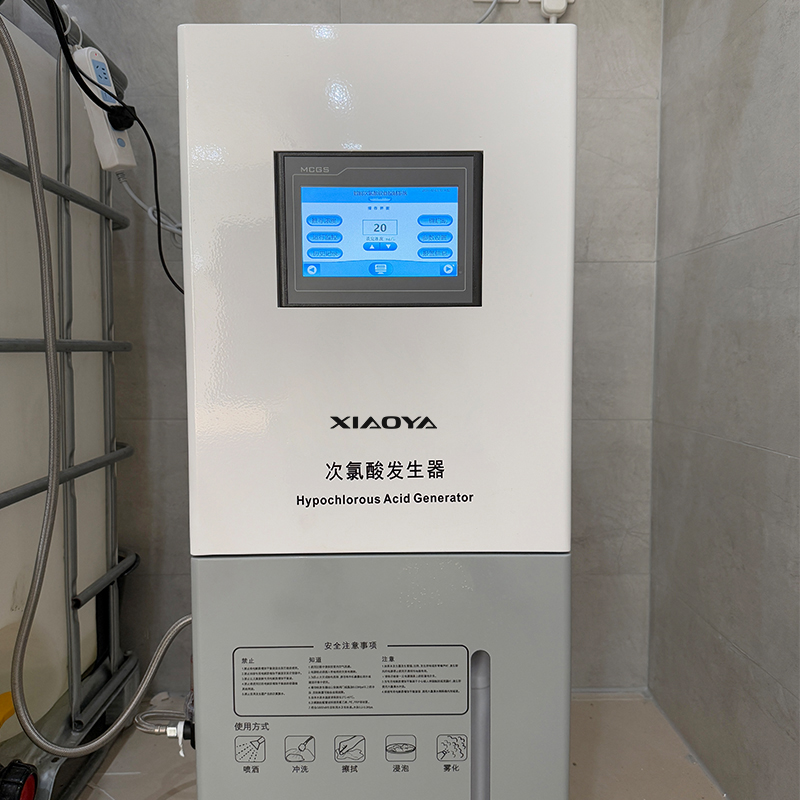
For commercial operations requiring high-volume disinfection, the Pure Hypochlorous Acid (HClO) Electrolyzer provides a cost-effective solution, producing up to 20 liters per hour of stabilized HClO solution with minimal energy consumption.
Ozone Generation Technology Explained
Ozone generators create O₃ molecules through corona discharge or UV light, offering:
While effective, ozone requires careful concentration control as levels above 0.1 ppm can cause fruit surface oxidation and worker safety concerns.
Key Performance Comparison
Technical evaluators should consider these critical factors when selecting preservation systems:
Field tests show HClO systems maintain fruit firmness 15-20% better than ozone after 7 days storage, with significantly less vitamin C degradation.
Operational Considerations
For food processing facilities, these practical factors impact daily operations:
- Safety: HClO requires no special ventilation vs. ozone's OSHA PEL limit of 0.1 ppm
- Maintenance: Ozone generators need electrode replacement every 2-3 years
- Scalability: HClO systems can be easily integrated into existing wash lines
The Pure Hypochlorous Acid (HClO) Electrolyzer particularly excels in water treatment applications, with automated concentration control maintaining ±5% solution stability.
Implementation Best Practices
For Hypochlorous Acid Systems
Optimal implementation involves:
- Installation in climate-controlled areas (10-35°C)
- Daily calibration of ORP sensors (±10 mV accuracy)
- Quarterly membrane inspection
For Ozone Systems
Critical installation requirements include:
- Explosion-proof housing for high-concentration units
- Ozone destruct units for exhaust air
- Stainless steel piping (ozone-resistant materials)
Making the Right Choice for Your Operation
Consider these decision factors based on your facility's needs:
- Throughput: HClO for high-volume (5+ tons/hour), ozone for batch processing
- Product Sensitivity: HClO for delicate berries, ozone for thicker-skinned fruits
- Regulatory Environment: HClO's EPA FIFRA exemption simplifies compliance
For operations prioritizing both disinfection efficiency and produce quality preservation, hypochlorous acid technology typically delivers superior results with lower operational complexity.
Frequently Asked Questions
How often should hypochlorous acid solutions be replaced?
Freshly generated HClO solutions maintain optimal efficacy for 7-10 days when stored properly in opaque, sealed containers at room temperature. For continuous operations, on-site generation eliminates storage concerns.
Can these systems be used for organic certification?
Hypochlorous acid is approved for organic use in most jurisdictions (check NOP standards). Ozone is generally permitted but may require documentation of residual levels below 0.1 ppm.
What's the typical ROI period for these systems?
Commercial-scale HClO generators typically show 12-18 month payback through reduced spoilage (3-7% less waste) and lower chemical costs versus traditional sanitizers. Ozone systems often require 24+ months due to higher energy costs.
Conclusion and Next Steps
Both hypochlorous acid and ozone technologies offer viable fruit preservation solutions, but HClO systems generally provide better balance of efficacy, safety, and operational efficiency. For facilities processing delicate fruits or requiring high-throughput disinfection, hypochlorous acid generators deliver measurable quality and shelf-life benefits.
To explore how these technologies could optimize your fruit preservation processes, consult with our technical team for a customized solution assessment and ROI analysis.
NEWS
 Upgrade in Healthy Living: Hypochlorous Acid Generators Become the New Standard for Luxury Villas
- The Ultimate Solution to Pet Shop Disinfection Challenges! XIAOYA Hypochlorous Acid Generator: Safe Pet Protection with Peace of Mind
 Hypochlorous Acid Generator vs Sodium Hypochlorite Generator
- Hypochlorous Acid Generator Supplier
- Hypochlorous Acid Generator Manufacturer
Leave us a message

Xiaoya Group was founded in 1979,expert in the electrolyzed water industry.
Get in Touch
*We respect your confidentiality and all information are protected.