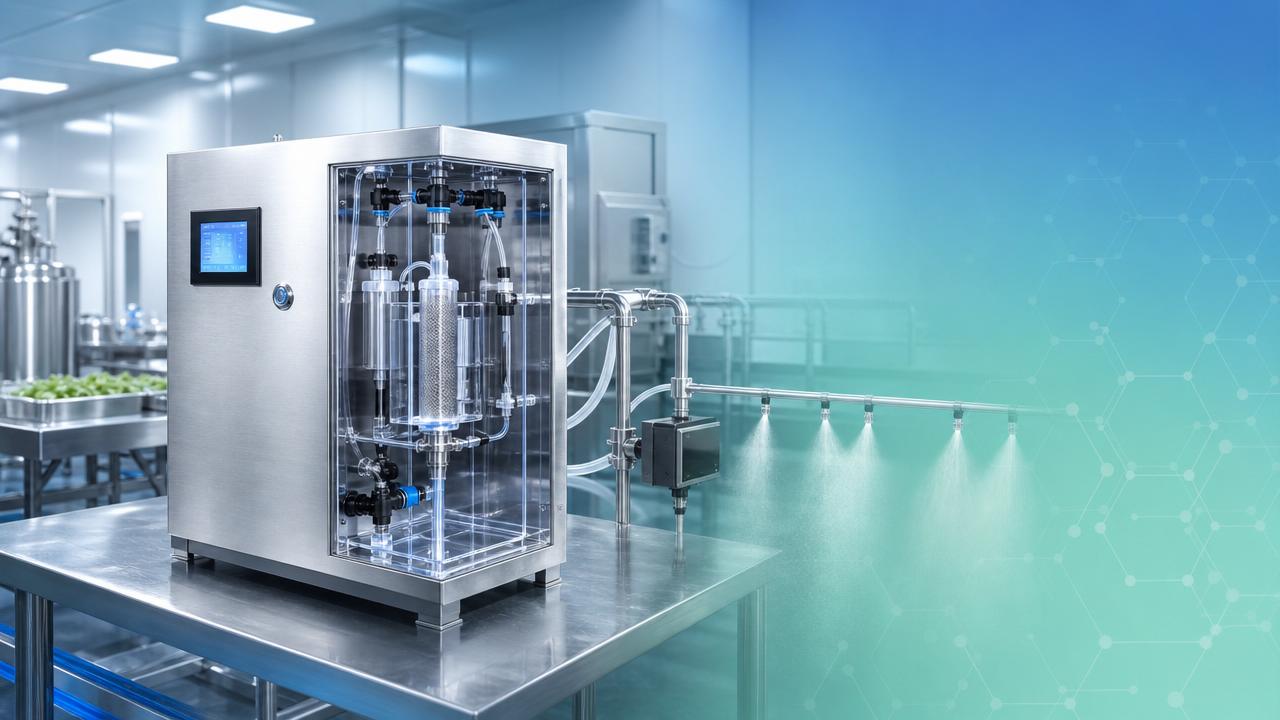
As industries seek safer and greener sanitation solutions, eco-friendly hypochlorous acid (HClO) generators are emerging as a transformative force in automated disinfection. Combining efficiency, low chemical residue, and on-site production, these advanced systems align with the growing demand for sustainable operations across healthcare, household, and clean-energy applications. For manufacturers focused on innovation, HClO generator technology represents the future of intelligent, responsible disinfection.
For B2B buyers in automation equipment, the key question is no longer whether disinfection should be automated, but how to make it safer, easier to control, and more compatible with sustainability targets. HClO generator systems answer that need by reducing chemical handling, shortening response time, and supporting stable sanitation performance across multiple operating environments.
Enterprises with strengths in R&D, production, and integrated operations are now applying this technology across kitchen and bathroom appliances, healthcare and disinfection appliances, clean energy, and small household equipment. In practical terms, that means more compact systems, lower manual intervention, and better process consistency from 1 production line to multiple distributed sites.
Why Eco-friendly HClO Generators Are Reshaping Automated Disinfection
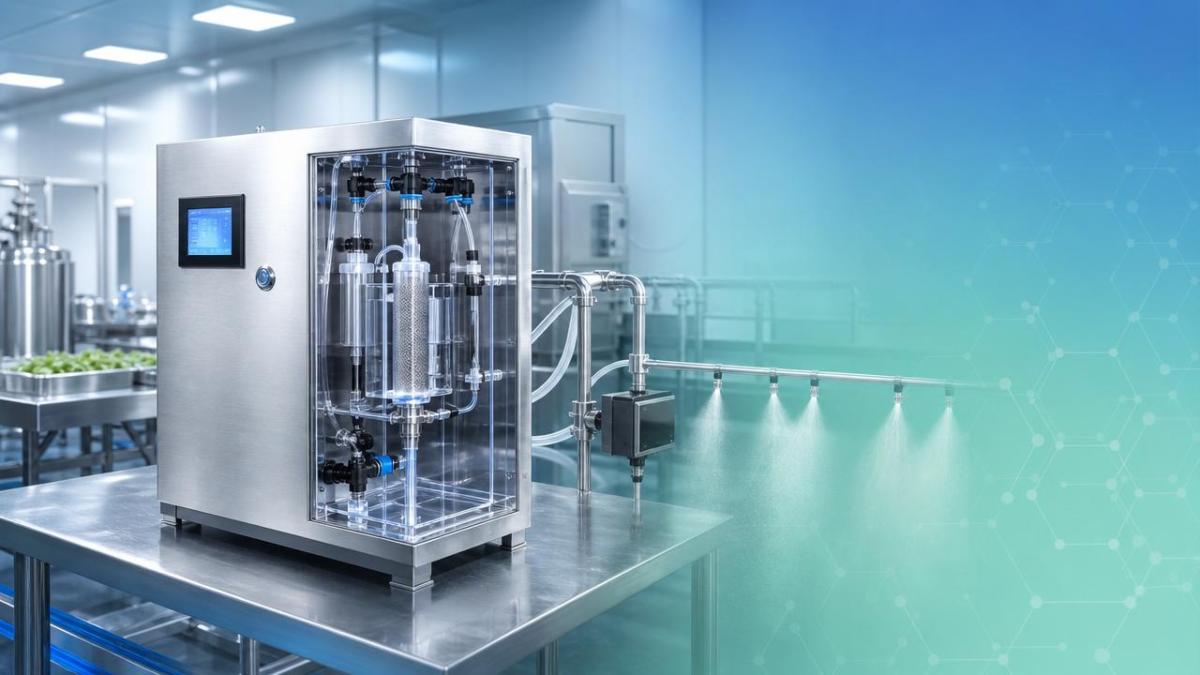
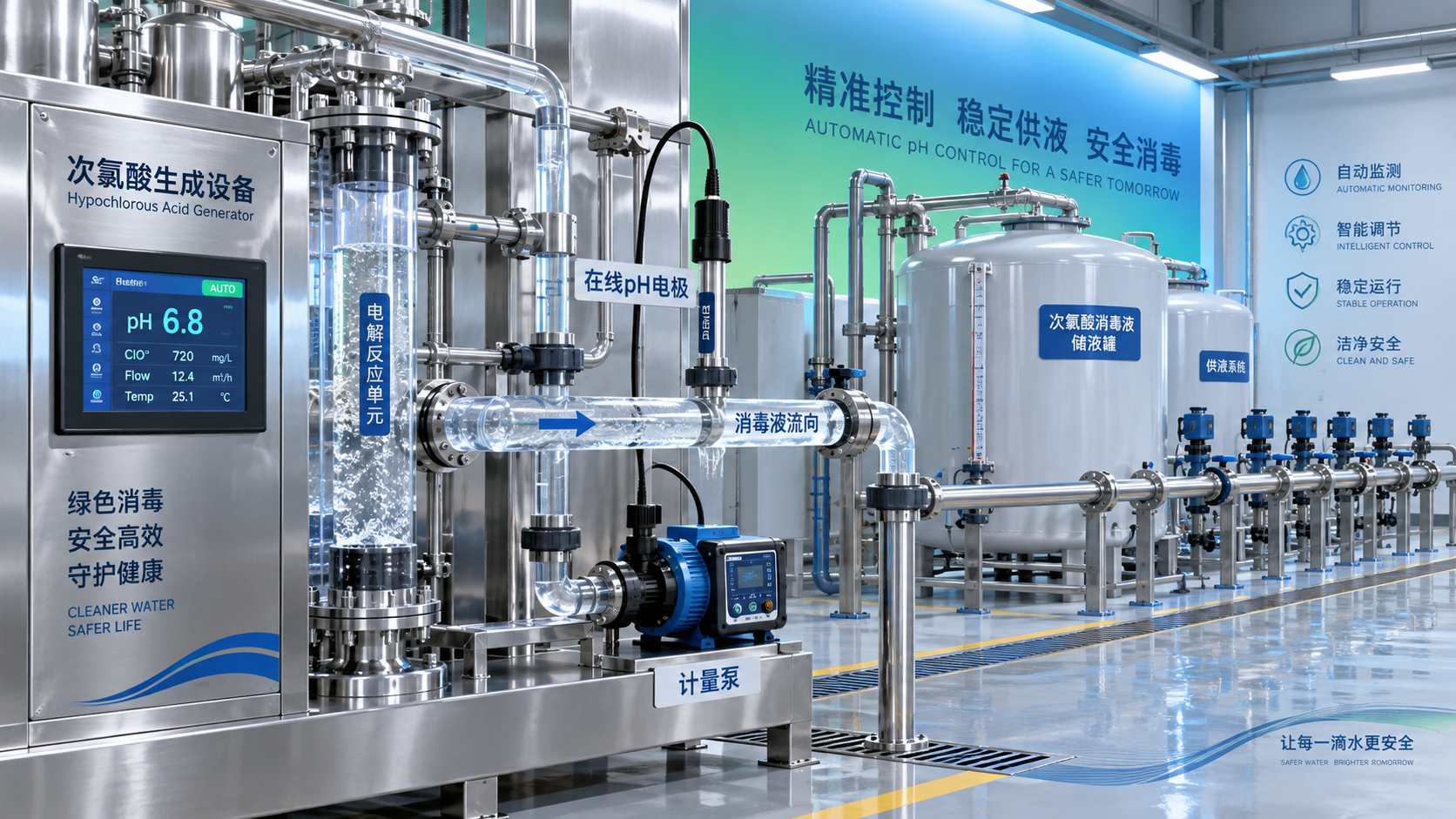
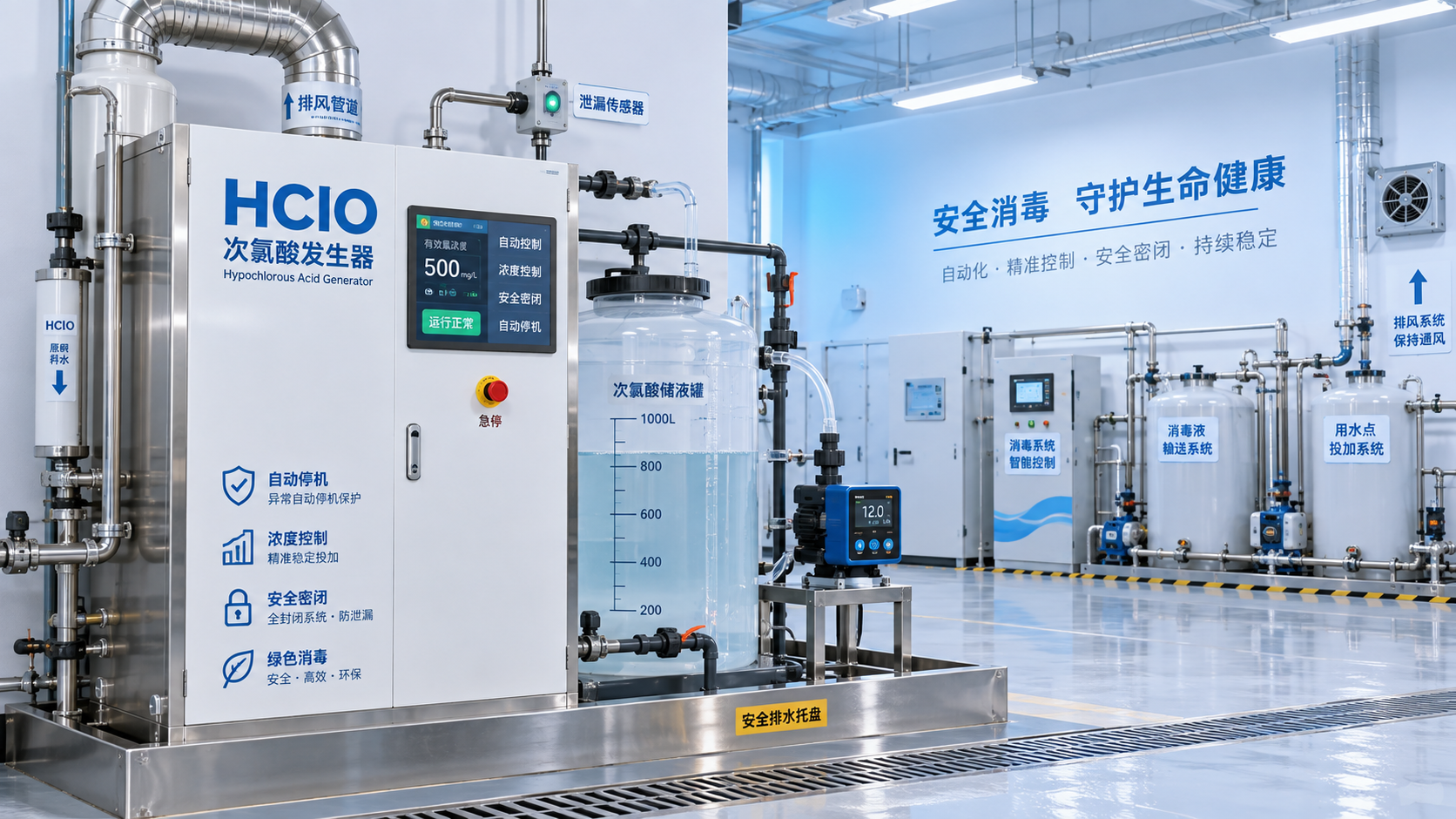
Traditional disinfection often relies on stored chemicals, repeated dilution steps, and operator-dependent dosing. In contrast, eco-friendly hypochlorous acid generators produce usable disinfectant on site through electrolysis, typically within minutes, which reduces transport, storage pressure, and the risk of concentration errors during daily use.
Three operational advantages for industrial users
- On-site generation lowers dependence on bulk chemical inventory and supports faster deployment in 2 to 3 sanitation shifts per day.
- Mildly acidic HClO solutions can deliver effective microbial control while leaving less residue than many conventional disinfectant routines.
- Automated dosing and generation modules improve repeatability, especially in facilities that require 10 to 200 mg/L concentration flexibility.
Where the automation value becomes visible
The strongest value appears in environments where sanitation is frequent, labor is limited, and product contact standards matter. These include healthcare devices, food-contact processing areas, appliance manufacturing, cold chain support facilities, and household product production sites where contamination control must be both measurable and scalable.
The table below highlights how automated HClO generation compares with conventional chemical disinfection in typical industrial decision-making.
For procurement teams, the main takeaway is that sustainable disinfection is not only about using a greener chemistry. It is also about reducing process variability, cutting handling steps from 4 or 5 down to 2 or 3, and improving sanitation consistency across every batch, zone, or shift.
How to Select the Right HClO Generator for Industrial and Food-contact Use
Selection should begin with application mapping rather than price alone. Buyers need to define 4 points clearly: daily treatment volume, target concentration range, deployment method, and whether the solution will touch equipment surfaces only or also food-contact environments. These factors directly influence generator capacity, material compatibility, and control logic.
Key selection criteria
- Generation capacity that matches hourly demand, such as 120–300 L/h for medium-scale continuous sanitation.
- Stable pH control, commonly within 5.0–6.5 for slightly acidic hypochlorous acid water.
- Electrical and utility compatibility, including 220V/50Hz supply and inlet water pressure around 0.15–0.25 MPa.
- Component durability, especially electrolyzer life of 3000 hours or more in standard operating conditions.
A practical example in fresh produce automation
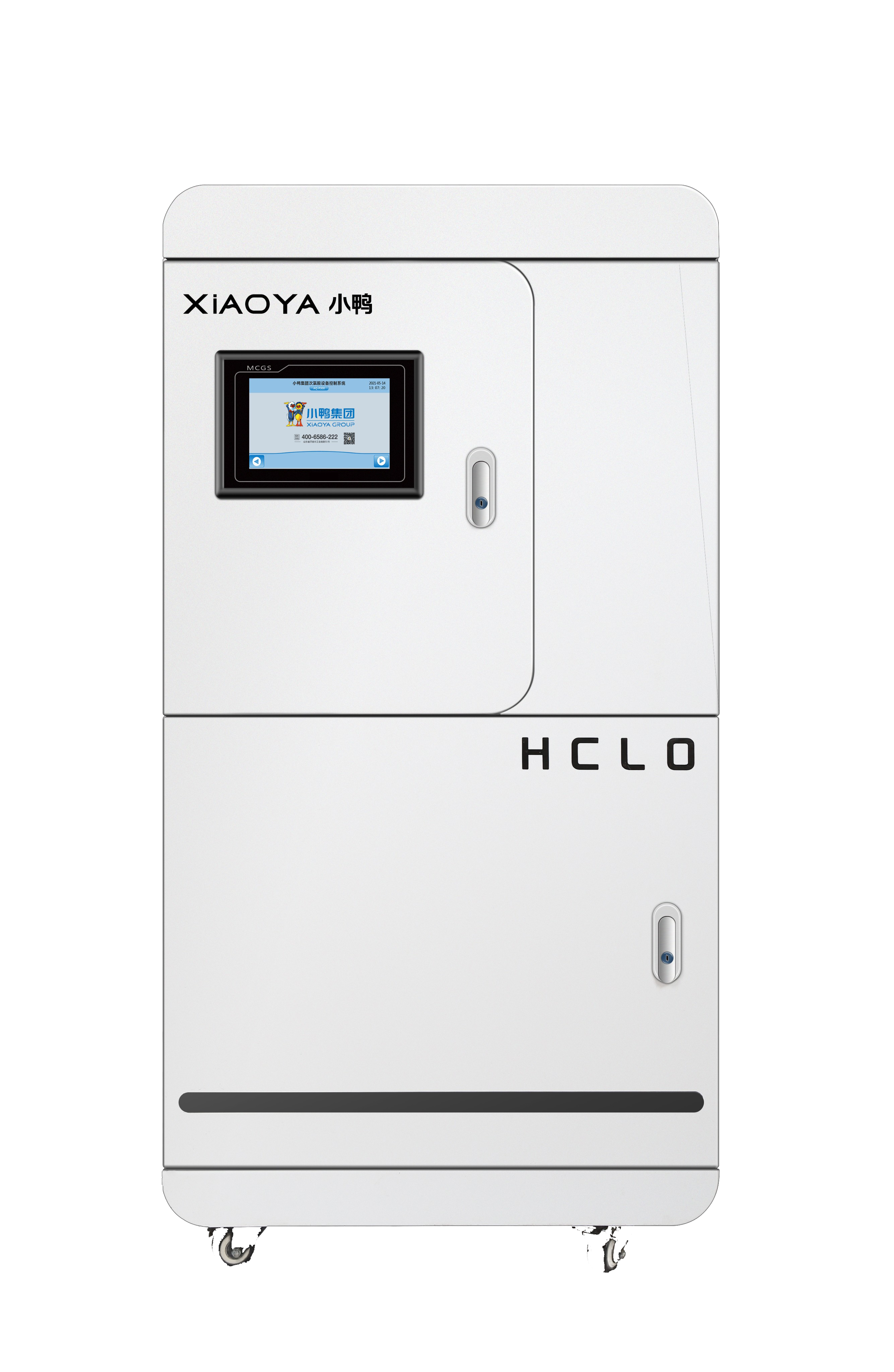
In fruit and vegetable processing, sanitation and preservation increasingly overlap. A system such as the Hypochlorous Acid Generator for Fruit Fresh-keeping shows how automation equipment can combine sterilization and fresh-keeping in one workflow, helping operators treat produce by soaking, spraying, or atomization across planting bases, workshops, cold storage, and logistics links.
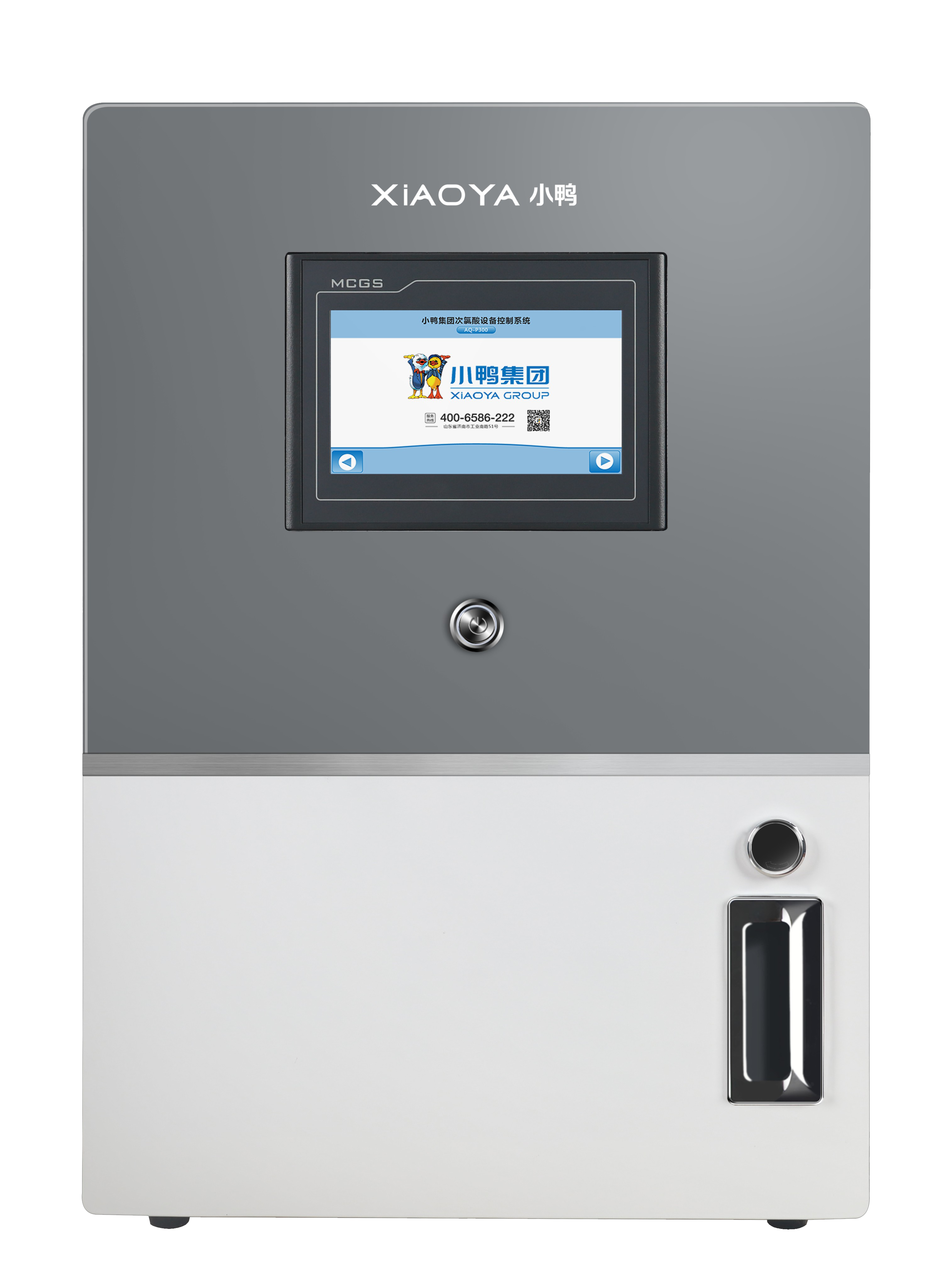
Its AQ-P300-A configuration is designed for practical industrial use, with 120–300 L/h generation capacity, effective chlorine concentration of 10–200 mg/L, rated power of 420 W, a 5 L electrolyte tank, and host dimensions of 500 × 510 × 1500 mm. For facilities managing multiple fruit categories, customized output is especially useful because wash intensity and preservation needs can differ by product type and turnover cycle.
The following table shows the decision points buyers should review when matching an HClO generator to automated processing or disinfection tasks.
A well-matched system should support food-grade safety, low residue performance, and scalable automation without overcomplicating operator tasks. In many projects, ease of operation matters as much as output specifications because sanitation routines often need to be repeated 2 to 6 times per day with minimal training time.
Implementation, Risk Control, and Long-term Value
Successful deployment usually follows a 5-step path: process review, water quality check, equipment configuration, pilot validation, and routine maintenance planning. This structure helps buyers confirm whether the generator will be used as a standalone unit or integrated into automated spraying lines, sanitation cabinets, cold-chain stations, or processing cells.
Common risks to manage early
- Ignoring inlet water quality, which can shorten electrolyzer performance over a 6 to 12 month operating cycle.
- Choosing output based only on average volume rather than peak hourly sanitation demand.
- Missing SOP design for concentration checks, nozzle cleaning, and electrolyte replenishment.
Maintenance expectations for buyers
Industrial buyers should ask for preventive maintenance intervals, consumable replacement guidance, and operator training content before purchase. Even when a unit is easy to run, stable performance still depends on routine inspection of power supply, inlet pressure, concentration consistency, and fluid path cleanliness at fixed intervals such as weekly, monthly, and quarterly.
For enterprises operating across healthcare, appliance, and clean-energy related applications, HClO generators offer a practical route to standardize disinfection while supporting cleaner production logic. Their long-term value is strongest where businesses need flexible deployment, lower residue risk, and a sanitation method that can adapt to both centralized plants and distributed operating points.
Eco-friendly HClO generation is moving from niche equipment to a core part of intelligent sanitation infrastructure. For buyers seeking automation equipment that combines safety, controllability, and sustainability, the opportunity lies in selecting systems with the right capacity, verified operating parameters, and application-specific integration design. If you want to evaluate a suitable configuration, compare process requirements, or explore tailored equipment options, contact us now to get a customized solution and learn more details about the right HClO generator for your operation.
NEWS
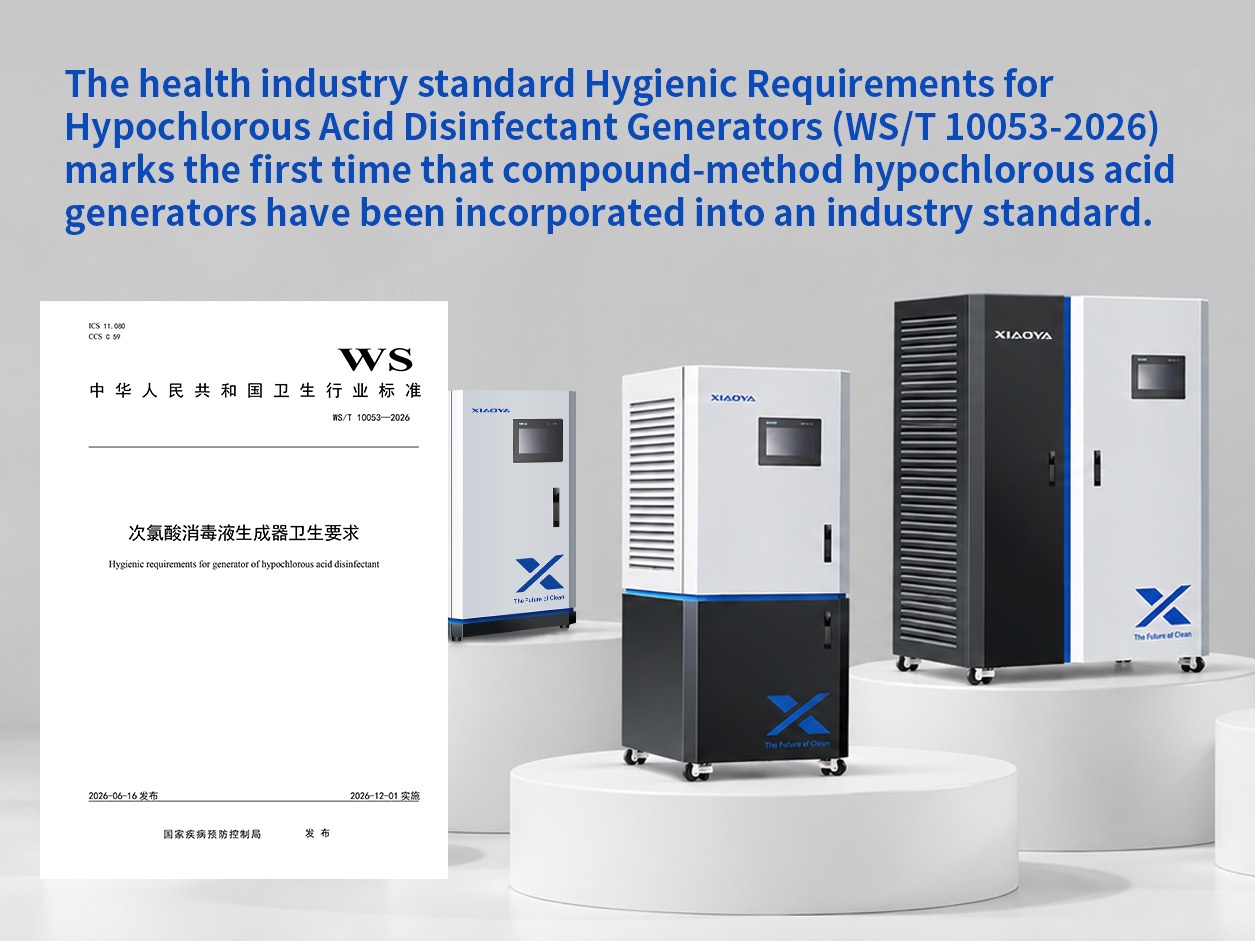
 WS/T 10053-2026 Includes the Compound Method for the First Time: Standard Signals and Market Opportunities for Mass Agricultural Production of Hypochlorous Acid Generators
 Evaluating HClO Generator Lifecycle Costs Beyond the Initial Equipment Price
 HClO Generator pH Control: Why It Determines Disinfection Performance
- Which Safety Features Matter Most When Buying an HClO Generator?
 Troubleshooting Low ORP Readings on a Hypochlorous Acid Machine
Leave us a message

Xiaoya Group was founded in 1979,expert in the electrolyzed water industry.
Get in Touch
*We respect your confidentiality and all information are protected.