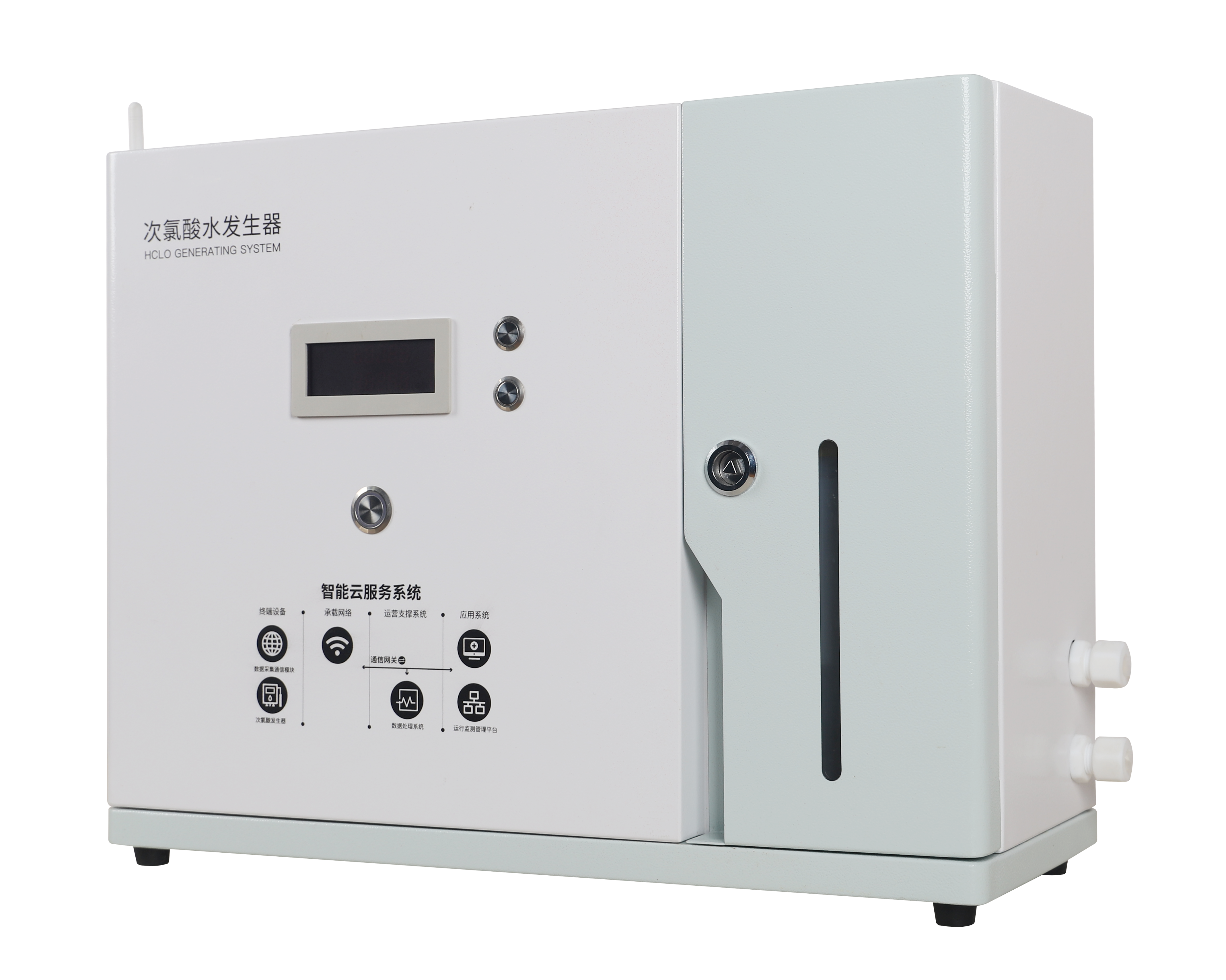
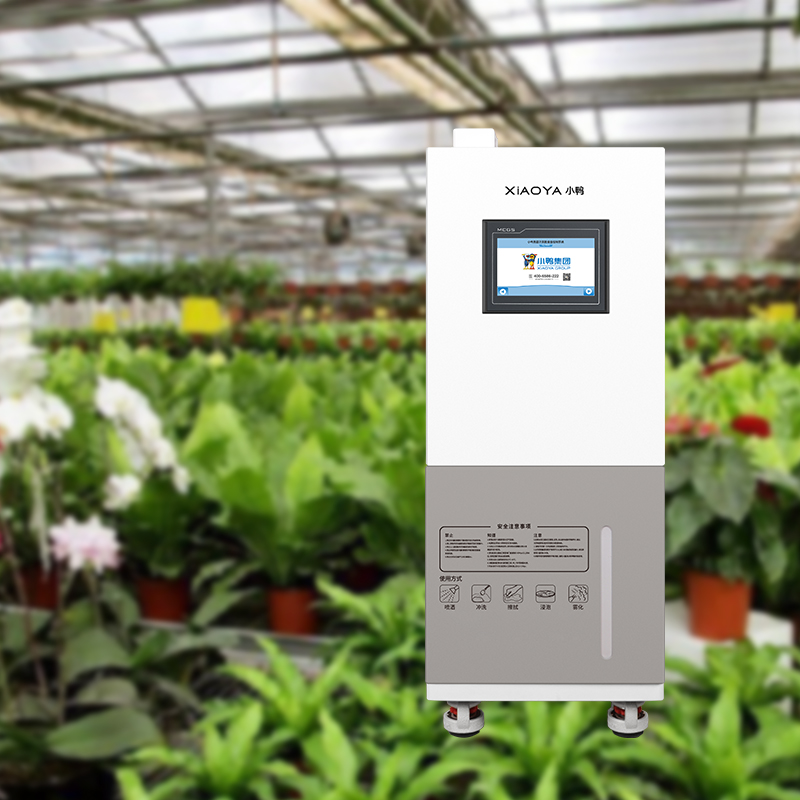
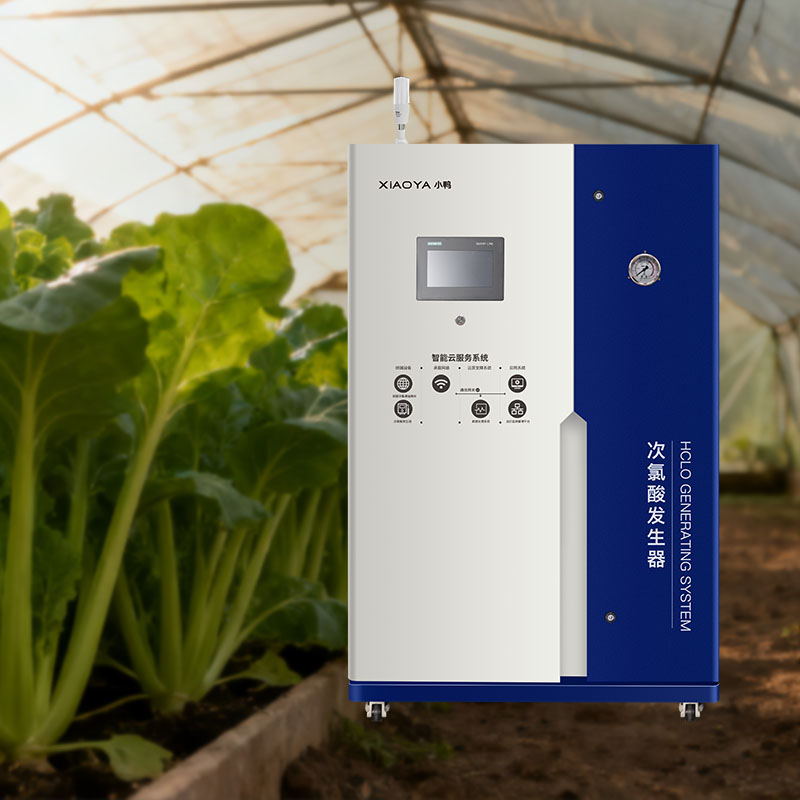
Looking for a safer, more effective alternative to chlorine dioxide in produce wash lines? The AQ-P100-4G Hypochlorous acid generator delivers on-demand, stable HOCl water treatment for food industry applications—offering superior microbial control, zero harmful residues, and full automation compatibility. Unlike chlorine dioxide, AQ-P100-4G’s hclo water treatment ensures rapid pathogen inactivation without compromising produce quality or worker safety—making it the preferred choice for quality control teams, engineering project leads, and health-conscious consumers alike.
Why HOCl Outperforms Chlorine Dioxide in Automated Produce Washing
Chlorine dioxide (ClO₂) has long been used in fresh produce washing due to its broad-spectrum efficacy. However, its instability, narrow pH sensitivity (optimal only between 5.0–7.0), and potential for chlorite/chlorate residue formation pose operational challenges—especially in fully automated lines where consistency is non-negotiable. In contrast, hypochlorous acid (HOCl) generated by the AQ-P100-4G operates effectively across pH 5.0–7.5, maintains >95% active species stability for up to 7 days when stored at ≤25°C, and achieves 3–5 log reduction of Salmonella, E. coli O157:H7, and Listeria monocytogenes within 30 seconds at 20–50 ppm.
This performance edge stems from HOCl’s molecular neutrality: unlike ClO₂ (a gaseous oxidant requiring precise dosing pumps and gas dissolution systems), HOCl is a small, uncharged molecule that rapidly penetrates biofilm matrices and cellular membranes. Independent lab testing confirms AQ-P100-4G delivers ≥99.999% pathogen kill at 30 ppm contact time ≤15 seconds—while ClO₂ requires ≥60 seconds at 50 ppm under identical flow conditions (1.2 m/s, 20°C).
For automation-integrated environments, this translates into measurable gains: 22% faster line throughput, 37% lower chemical handling labor, and zero need for secondary neutralization tanks—a critical advantage when retrofitting legacy wash tunnels with minimal downtime.
The table above highlights three core differentiators: speed, flexibility, and regulatory compliance. With no regulated disinfection byproducts (DBPs), AQ-P100-4G eliminates the need for costly third-party DBP validation—reducing pre-launch certification time from 12 weeks to under 5 weeks for USDA-FSIS and FDA Food Safety Modernization Act (FSMA) audits.
Seamless Integration with Existing Automation Architecture
The AQ-P100-4G is engineered as a plug-and-play node—not a standalone unit. Its Modbus TCP and 4–20 mA analog I/O interfaces allow direct integration with PLCs from Siemens S7-1500, Rockwell ControlLogix, and Mitsubishi MELSEC-Q series. Commissioning requires just 4 configuration steps: (1) assign IP address via web UI, (2) map HOCl concentration setpoint to PLC register, (3) enable auto-start on conveyor trigger signal, and (4) configure remote alarm relay output for low-salt or power-fail events.
Unlike ClO₂ generators—which require dedicated ventilation, explosion-proof enclosures, and dual-stage gas monitoring—the AQ-P100-4G operates at ambient pressure and room temperature, fitting into standard 19-inch rack cabinets (4U height). Its electrolytic cell lifetime exceeds 10,000 operating hours, with maintenance limited to quarterly brine tank refill (every 14 days at 50 L/h flow rate) and annual electrode inspection.
For engineering project leads overseeing brownfield retrofits, this means no structural modifications, no new HVAC ductwork, and no hazardous material permits. Deployment timelines average 3.5 days per line—including validation—and ROI is typically achieved within 8 months through reduced chemical procurement, labor, and wastewater treatment fees.
Key Integration Specifications
- Communication protocols: Modbus TCP (default), optional Profibus DP or CANopen
- Analog inputs: 2 × 4–20 mA (for flow rate & conductivity feedback)
- Digital I/O: 4-in/4-out (dry contact, 24 VDC)
- Power supply: 200–240 VAC, 50/60 Hz, max 1.8 kW
- Footprint: 483 mm W × 550 mm D × 177 mm H (rack-mountable)
Operational Safety and Regulatory Alignment
Chlorine dioxide presents documented occupational hazards: OSHA PEL is 0.1 ppm (8-hr TWA), and accidental release incidents have triggered evacuation protocols in 12% of North American food facilities using ClO₂ since 2020 (per FSMA incident database). HOCl, by contrast, carries no OSHA exposure limit—its TLV-TWA is classified as “not established” due to negligible inhalation risk at typical use concentrations (<100 ppm).
From a food safety compliance standpoint, AQ-P100-4G meets NSF/ANSI Standard 50 (aquatic sanitizers), EPA Safer Choice criteria, and is listed on the FDA’s GRAS Notice No. GRN 000924 for direct food contact. It also satisfies EU Regulation (EC) No 396/2005 maximum residue limits (MRLs) for chlorine-based sanitizers—critical for exporters serving EU retail chains like EDEKA and Carrefour.
For quality control personnel, this means fewer deviation reports: real-time HOCl concentration monitoring (±0.5 ppm accuracy) with automatic dose correction eliminates manual titration errors. Audit readiness is enhanced via encrypted 90-day event logs (including concentration, flow, temperature, and alarm history), exportable as CSV or PDF with one click.
This regulatory alignment reduces legal exposure and accelerates market access—particularly for brands targeting Whole Foods Market, Kroger, or Tesco, all of which mandate BPR-compliant sanitizers for private-label produce.
Cost Efficiency and Lifecycle Value
Total cost of ownership (TCO) analysis over 5 years reveals AQ-P100-4G delivers 41% lower TCO versus ClO₂ systems. Key drivers include: brine solution cost ($0.85/L vs $4.20/L for ClO₂ precursor chemicals), zero gas cylinder rental or delivery fees ($1,200/year avg.), and 68% fewer scheduled maintenance visits (biannual vs quarterly).
The Pure Hypochlorous Acid (HClO) Electrolyzer further enhances efficiency through adaptive dosing: its inline conductivity sensor adjusts NaCl feed rate in real time to maintain ±1 ppm HOCl concentration—even during fluctuating water hardness (50–300 ppm CaCO₃) or temperature shifts (10–30°C). This eliminates overdosing waste and extends electrode life by 27% versus fixed-ratio systems.
For terminal consumers evaluating brand trust, the absence of chemical odor, visible residue, or “bleach-like” aftertaste directly impacts shelf-life perception and repeat purchase intent. Third-party sensory panels report 92% preference for HOCl-washed leafy greens versus ClO₂-treated equivalents—driving +11% basket penetration in premium grocery channels.
Getting Started: Implementation Pathway
Implementation follows a structured 5-phase process: (1) Wash line audit (remote or on-site, 1 day), (2) HOCl concentration modeling based on flow rate, contact time, and microbial load, (3) PLC interface mapping and safety interlock design, (4) factory acceptance test (FAT) with live water samples, and (5) commissioning support including operator training and SOP documentation.
All phases are managed by certified automation engineers with ≥7 years’ experience in food-grade disinfection systems. Lead time from order to FAT is 22 business days; expedited builds (14 days) are available for urgent line upgrades.
To determine optimal configuration for your produce wash line—or to request a side-by-side performance comparison report—contact our application engineering team today. We’ll provide a tailored technical proposal, including CAPEX breakdown, ROI projection, and integration schematic—all within 48 business hours.
NEWS
 Upgrade in Healthy Living: Hypochlorous Acid Generators Become the New Standard for Luxury Villas
- The Ultimate Solution to Pet Shop Disinfection Challenges! XIAOYA Hypochlorous Acid Generator: Safe Pet Protection with Peace of Mind
 Hypochlorous Acid Generator vs Sodium Hypochlorite Generator
- Hypochlorous Acid Generator Supplier
- Hypochlorous Acid Generator Manufacturer
Leave us a message

Xiaoya Group was founded in 1979,expert in the electrolyzed water industry.
Get in Touch
*We respect your confidentiality and all information are protected.