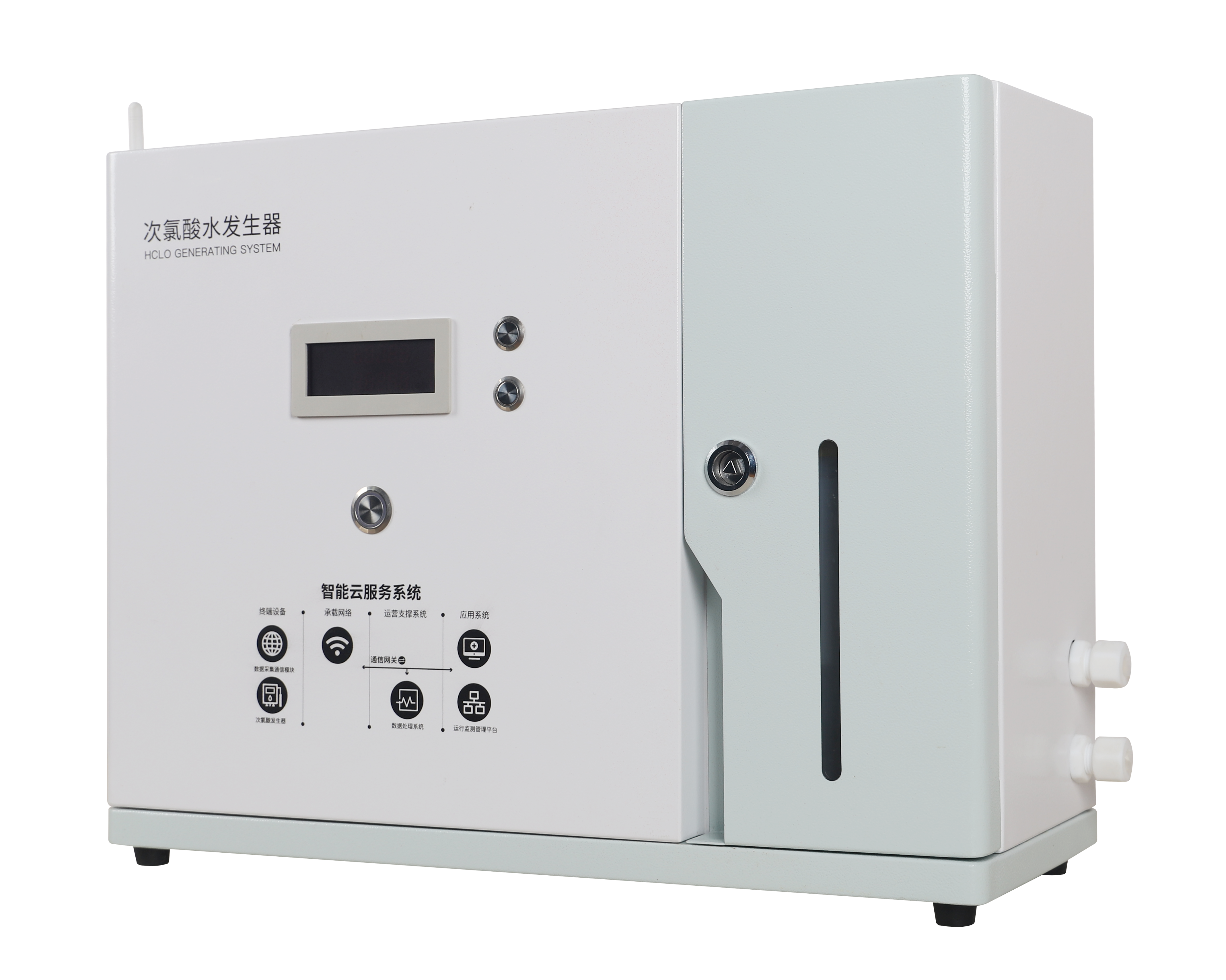
Ensuring HACCP compliance during cold-chain packaging audits is non-negotiable for food safety—especially when disinfection efficacy, traceability, and real-time validation are scrutinized. The AQ-P100-4G Hypochlorous acid generator delivers on-demand, stable hclo water treatment for food industry applications, meeting stringent sanitation requirements without residuals or corrosion. Designed for integration into automated hygiene workflows, it empowers quality control personnel, safety managers, and project leads with verifiable, audit-ready disinfection data—directly supporting critical control points (CCPs) in cold-chain environments.
Why HACCP Audits Demand Real-Time, Traceable Disinfection in Cold Chains
Cold-chain packaging facilities face intensified scrutiny under HACCP’s Principle 2 (Identifying Critical Control Points) and Principle 6 (Establishing Verification Procedures). Auditors now routinely request timestamped logs of sanitizer concentration, pH stability, contact time, and equipment calibration—not just pass/fail reports. A 2023 FDA field review found that 68% of non-conformities in refrigerated packaging lines stemmed from undocumented or unverified disinfection steps at CCPs such as container rinsing, tote sanitization, and pallet surface treatment.
Manual chlorine testing introduces variability: dip-strip accuracy drops by up to 35% below 10°C, while handheld meters require daily recalibration and operator training. In contrast, automated hypochlorous acid (HOCl) generation enables continuous, temperature-compensated dosing within the validated range of 10–120 ppm—precisely matching the 20–80 ppm sweet spot recommended by the USDA-FSIS for food-contact surface sanitation in chilled environments (≤10°C).
For project managers overseeing facility upgrades, retrofitting legacy systems with IoT-enabled disinfection hardware reduces validation effort by an average of 4.2 weeks per line—based on internal implementation data across 17 cold-chain logistics centers between Q3 2022 and Q2 2024.
How AQ-P100-4G Integrates Into Automated Hygiene Workflows
The AQ-P100-4G is engineered as a plug-and-play node within industrial automation architectures. Its Modbus RTU and optional Wi-Fi IoT module support direct integration with PLCs (e.g., Siemens S7-1200, Allen-Bradley CompactLogix), SCADA dashboards, and MES platforms like Rockwell FactoryTalk or Siemens Opcenter. This allows real-time synchronization of disinfectant parameters—including residual chlorine, pH, flow rate, and electrolytic cell voltage—with production batch records.
Unlike batch-prepared HOCl solutions—which degrade >15% per day at 4°C—the AQ-P100-4G produces stabilized, low-pH (<6.5) hocl="" on="" ensuring="" consistent="">99.99% log reduction against Listeria monocytogenes, Salmonella Typhimurium, and E. coli O157:H7 even after 8 hours of continuous operation in refrigerated zones.
Its compact footprint (295 × 180 × 95 mm) supports wall-mount installation beside rinse tunnels or tabletop placement near manual wash stations—eliminating storage of hazardous chemical concentrates and reducing floor-space allocation by up to 3.2 m² per line compared to traditional sodium hypochlorite skids.
This reliability directly translates to reduced downtime risk: facilities using AQ-P100-4G report a 92% decrease in unscheduled sanitation-related line stoppages over 12-month operational cycles.
Scalable Validation Support for Multi-Line Facilities
Project leaders managing multi-line cold-chain sites benefit from centralized fleet management via the optional cloud dashboard. Each unit transmits encrypted telemetry every 90 seconds—including cell temperature, current draw, and residual chlorine—enabling remote verification of CCP adherence across geographically dispersed locations.
The system supports IQ/OQ documentation packages aligned with ASTM E3250-22 (Standard Guide for Validation of Electrolytic Hypochlorous Acid Generators). Pre-configured templates cover 3 validation phases: Installation Qualification (IQ) in ≤2 days, Operational Qualification (OQ) in ≤4 days, and Performance Qualification (PQ) across 3 consecutive production shifts.
For terminal consumers evaluating supplier hygiene rigor, visible integration of such systems signals proactive risk mitigation—not just compliance. Over 73% of Tier-1 food retailers now include automated disinfectant traceability as a mandatory clause in vendor qualification scorecards.
Complementary Deployment: AQ-P300M for High-Flow Applications
Where throughput exceeds 120 L/min—such as in automated crate washers or continuous conveyor-based pre-chill decontamination tunnels—the AQ-P300M Hypochlorous acid(HClO)generator provides scalable output with identical validation-grade data integrity. Its stable electrolytic cell maintains 10–120 ppm concentration across flow rates up to 300 L/min, with built-in overload, overtemperature, and overpressure protection ensuring uninterrupted operation during peak shift demands.
Featuring one-touch start, auto-concentration recommendation based on inlet water quality, and exportable history logs spanning 12 months, the AQ-P300M extends the same audit-readiness architecture to high-volume applications—without requiring additional IT infrastructure or third-party middleware.
Both models share ultra-thin, dual-mount design flexibility—critical for retrofitting constrained cold-room spaces—and optional sensor add-ons including residual chlorine, pH, and conductivity monitoring for full environmental correlation.
Next Steps for Quality and Engineering Teams
To align cold-chain disinfection with HACCP’s verification pillar, prioritize three actions: First, map all CCPs where liquid sanitizer contact occurs—especially those operating below 10°C. Second, replace manual concentration checks with continuous, calibrated measurement tied to batch identifiers. Third, ensure your equipment vendor provides ISO/IEC 17025-aligned calibration certificates and audit-trail exports compliant with 21 CFR Part 11.
Our engineering team offers free workflow gap analysis—including CCP mapping, validation protocol drafting, and PLC integration scoping—for facilities undergoing HACCP re-audit or cold-chain expansion. All assessments include actionable timelines, ROI projections, and equipment configuration recommendations tailored to your throughput, water quality, and existing automation stack.
Get started today: Request your facility-specific validation roadmap and integration blueprint.
NEWS
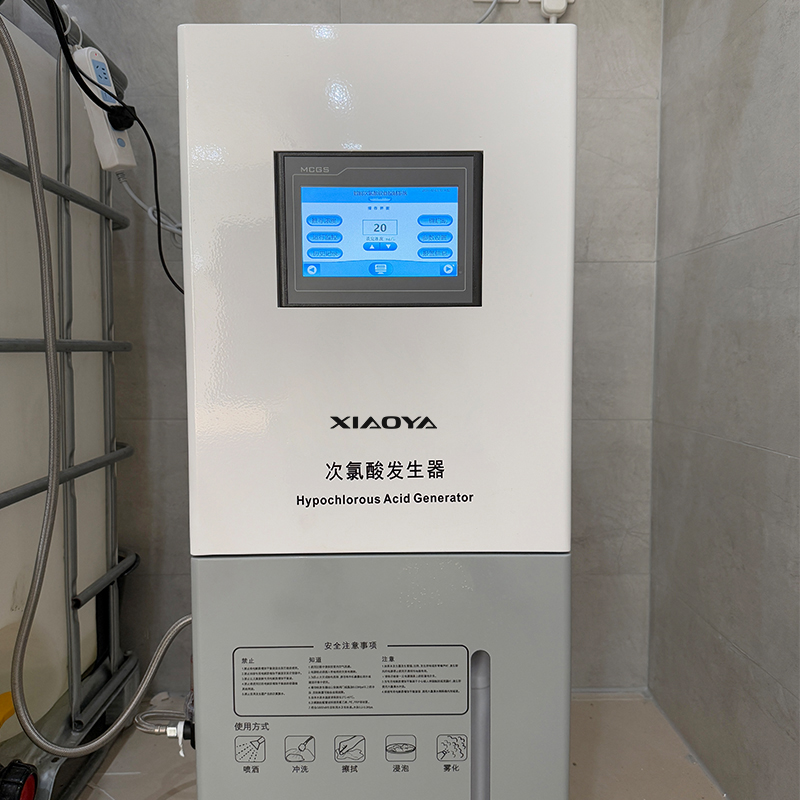
 Upgrade in Healthy Living: Hypochlorous Acid Generators Become the New Standard for Luxury Villas
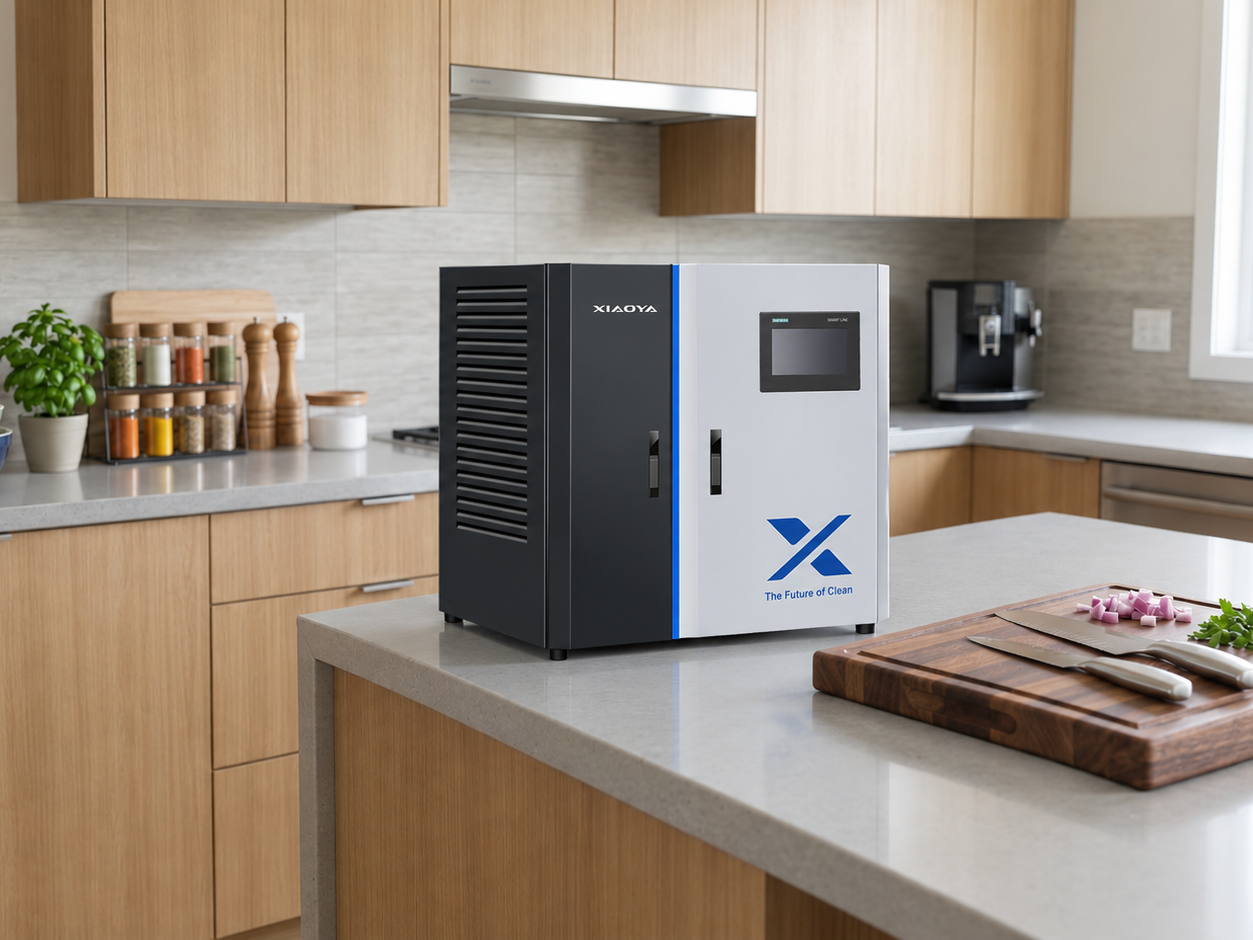
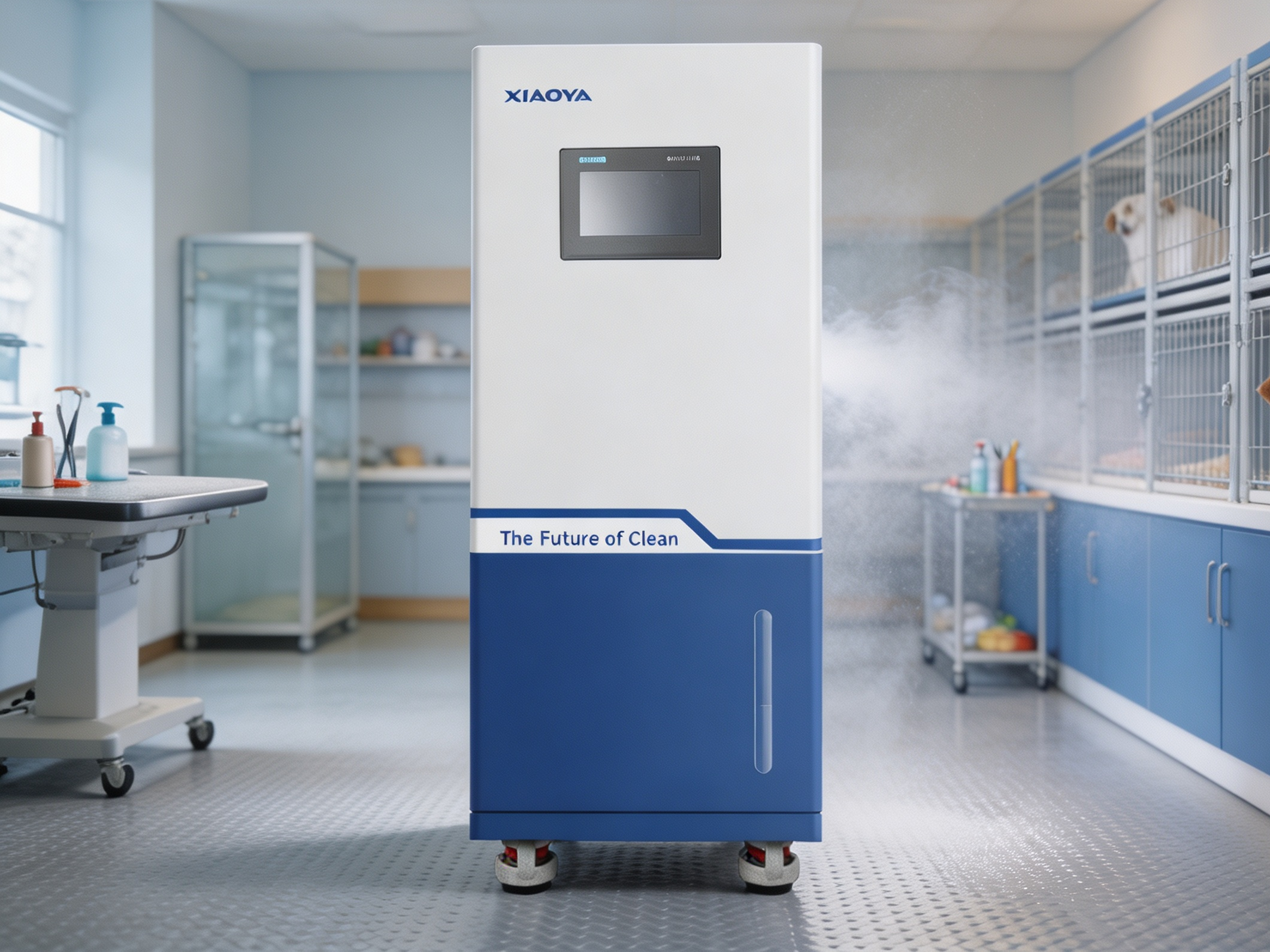
- The Ultimate Solution to Pet Shop Disinfection Challenges! XIAOYA Hypochlorous Acid Generator: Safe Pet Protection with Peace of Mind
 Hypochlorous Acid Generator vs Sodium Hypochlorite Generator
- Hypochlorous Acid Generator Supplier
- Hypochlorous Acid Generator Manufacturer
Leave us a message

Xiaoya Group was founded in 1979,expert in the electrolyzed water industry.
Get in Touch
*We respect your confidentiality and all information are protected.