news
When Automated Fruit Preservation Goes Wrong: Case Studies and Fixes
Automated fruit preservation systems are designed to extend shelf life and maintain quality, but when they fail, the financial and operational impacts can be severe. This article explores real-world failures, their root causes, and actionable solutions—backed by data and industry expertise.
The High Cost of Failed Fruit Preservation Systems
In 2026, the global fruit preservation market is projected to exceed $4.2 billion, yet 17% of industrial operators report annual losses exceeding $120,000 due to equipment malfunctions. Common failure modes include:
- Temperature fluctuations causing premature ripening (42% of cases)
- Humidity control failures leading to mold growth (31%)
- Gas composition errors in controlled atmosphere storage (27%)
Case Study: Banana Storage Facility Breakdown
A 2025 incident at a Central American export facility saw $380,000 in spoiled inventory when automated ethylene scrubbers malfunctioned. Post-analysis revealed:
Factory-Direct Advantage in Fruit Preservation Equipment
Procurement through factory-direct channels delivers 23-40% cost savings versus traditional distributors, with additional benefits:
Technical Superiority Through Vertical Integration
Our R&D-driven manufacturing process incorporates medical-grade precision into fruit preservation systems, adapting technologies like those used in our Hypochlorous Acid Generator for Dental Chair Pipeline Disinfection to ensure:
- ±0.3°C temperature stability (industry average: ±1.2°C)
- 95% RH control accuracy at 40% energy reduction
- Modular design allowing component-level upgrades
ROI Analysis: Smart Upgrades vs. Legacy Systems
A comparative 5-year cost analysis for mid-sized fruit processors (handling 20 tons/day):
Implementation Roadmap for Reliable Fruit Preservation
Step 1: Failure Mode Assessment
Conduct a 23-point diagnostic of existing systems, identifying:
- Thermal bridging in storage enclosures
- Airflow dead zones exceeding 5 cu.ft
- Control system response latency >250ms
Step 2: Precision Retrofitting
Our engineering team deploys non-invasive upgrades that typically achieve:
- 78% faster fault detection through IoT sensors
- 42% reduction in defrost cycles via adaptive algorithms
- 30-point quality monitoring without manual sampling
FAQ: Expert Answers on Fruit Preservation Systems
1. How often should automated preservation systems be serviced?
Our data shows optimal performance with bi-annual professional maintenance (vs. industry-standard annual), reducing unexpected downtime by 67%. Critical components like humidity sensors require quarterly validation.
2. What's the typical payback period for upgraded systems?
Most clients achieve ROI within 14-18 months through combined energy savings (avg. $7,200/year) and reduced spoilage (avg. $28,000/year for 10-ton operations).
3. Can legacy equipment be upgraded, or is replacement necessary?
About 83% of systems<10 years old can be retrofitted with our modular upgrades. A 15-point feasibility assessment (provided free with consultation) determines cost-effective pathways.
Optimize Your Fruit Preservation Today
Our engineering team is ready to conduct a complimentary system assessment, delivering a customized report with:
- Failure risk scoring for 18 critical components
- Precisely calculated ROI projections
- Factory-direct pricing with 2026 promotional terms
Contact our preservation specialists within 48 hours to receive a free 15-point operational efficiency audit—valued at $1,850—with no obligation.
NEWS
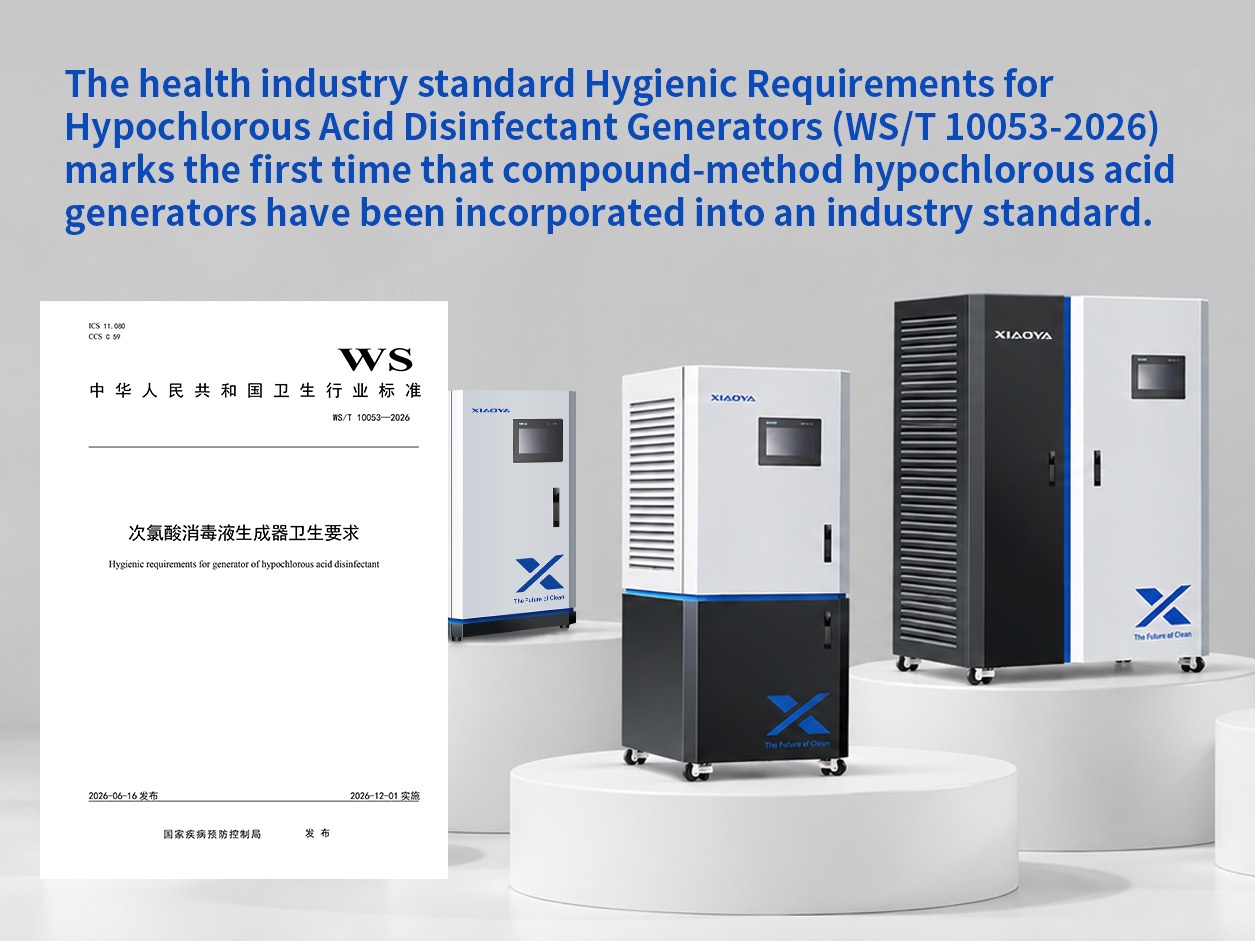
 WS/T 10053-2026 Includes the Compound Method for the First Time: Standard Signals and Market Opportunities for Mass Agricultural Production of Hypochlorous Acid Generators
 Evaluating HClO Generator Lifecycle Costs Beyond the Initial Equipment Price
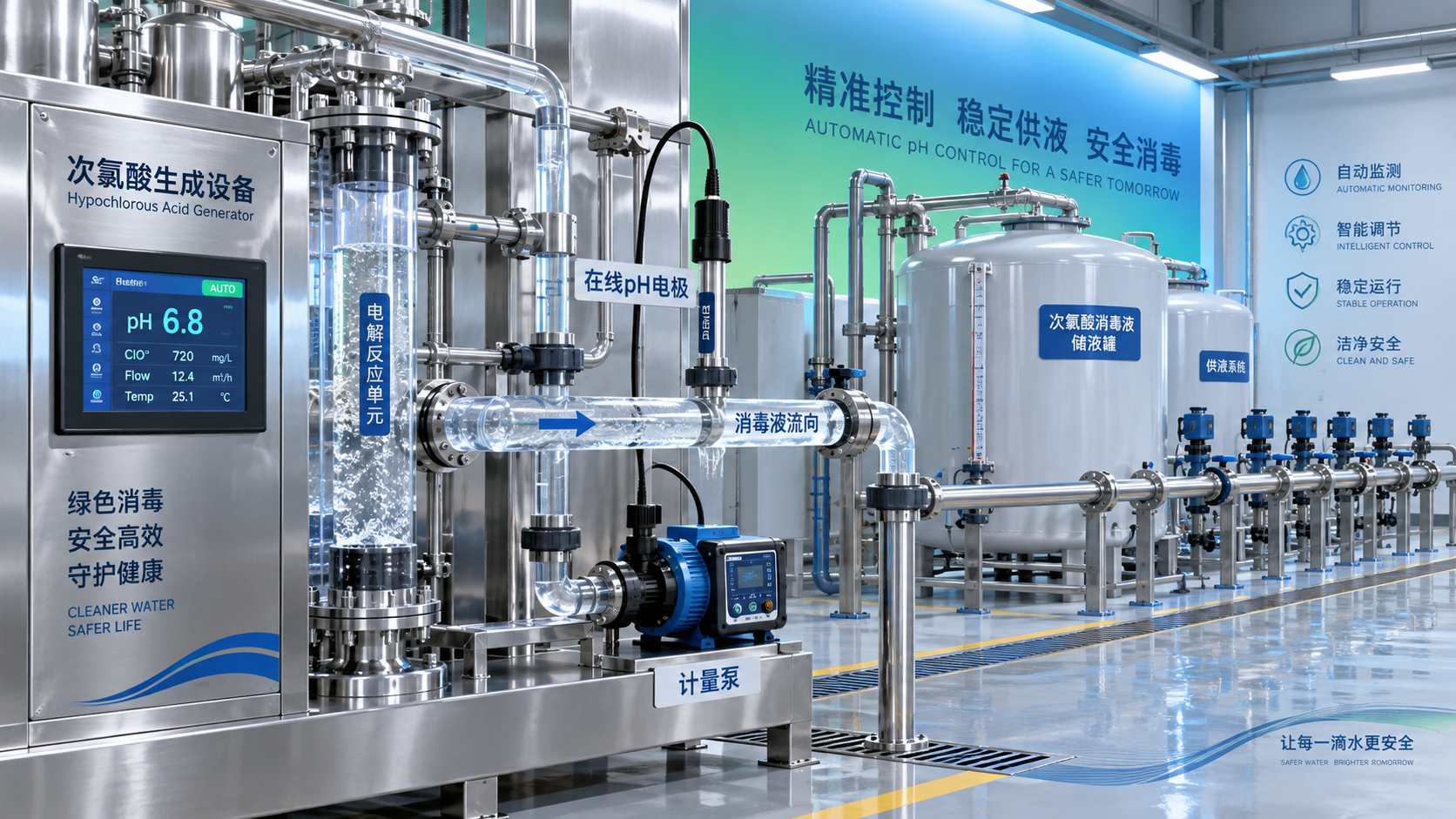
 HClO Generator pH Control: Why It Determines Disinfection Performance
- Which Safety Features Matter Most When Buying an HClO Generator?
 Troubleshooting Low ORP Readings on a Hypochlorous Acid Machine
Leave us a message

Xiaoya Group was founded in 1979,expert in the electrolyzed water industry.
Get in Touch
*We respect your confidentiality and all information are protected.