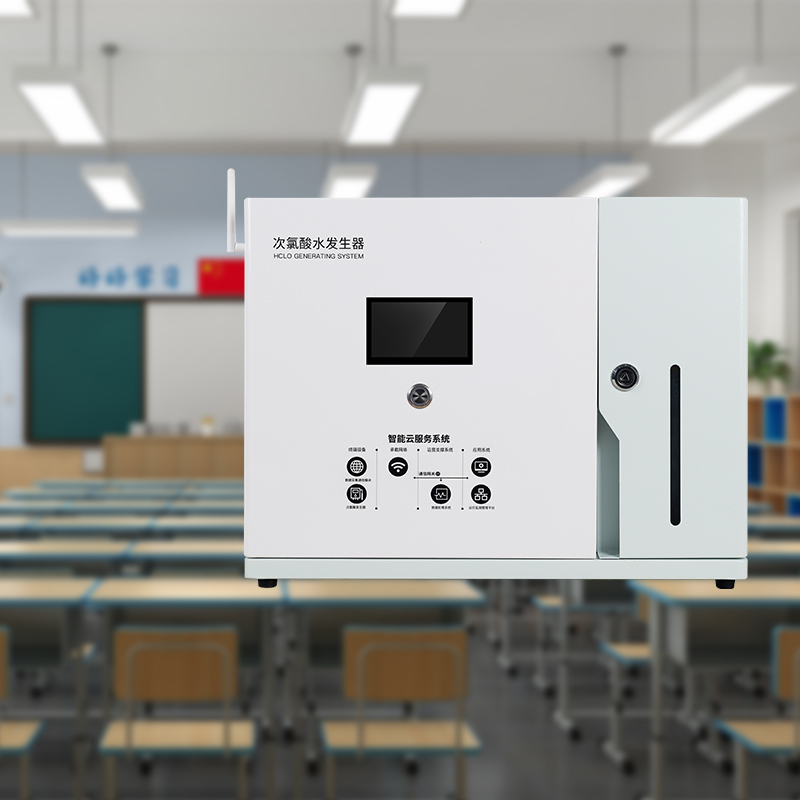
Industrial & Commercial Hypochlorous Acid Generators are becoming essential for businesses seeking scalable sanitization solutions that combine efficiency, safety, and automation. For manufacturers and facility operators across health care, disinfection, kitchen, bathroom, and household appliance sectors, these systems support reliable on-site production and consistent hygiene control. As integrated R&D and production capabilities continue to advance, hypochlorous acid generation offers a practical path to smarter, cost-effective sanitation.
Why businesses are moving to on-site hypochlorous acid generation
The core search intent behind industrial and commercial hypochlorous acid generators is practical evaluation. Buyers want to know whether these systems can deliver scalable sanitization, lower operating costs, and safer day-to-day hygiene management.
For most decision-makers, the answer is yes, but only when the equipment is matched to real throughput, sanitation goals, water conditions, and compliance requirements. The value is operational, not just technical.
Compared with buying and storing finished disinfectants, on-site generation gives facilities more control over concentration, supply continuity, and application frequency. That matters in high-volume environments where hygiene routines must be repeated without interruption.
Industrial users also care about worker safety and environmental impact. Slightly acidic hypochlorous acid solutions are widely valued because they can achieve effective microbial control while reducing residue, odor, and handling concerns in many settings.
What target buyers care about before they invest
Facility operators, procurement teams, and production managers usually focus on a short list of questions. Can the system scale? Will it stay stable in continuous use? How difficult is operation? What does it cost over time?
They also want clarity on performance consistency. In sanitation, occasional output is not enough. A generator must produce solution within the intended pH and concentration range, and it must do so repeatedly under normal operating conditions.
Another major concern is fit for application. Health care disinfection, appliance manufacturing, food-related processing, warehousing, and logistics do not use exactly the same sanitation workflow. Buyers need to know how one platform adapts across environments.
Maintenance and component life matter as much as initial specifications. A system that looks economical on paper may become inefficient if electrolyzer life is short, consumable management is complicated, or operator intervention is too frequent.
Where scalable sanitization creates the most value
Industrial and commercial hypochlorous acid generators are most valuable where sanitation is frequent, repeatable, and closely tied to product quality or regulatory expectations. This is common across manufacturing, processing, storage, and service environments.
In health care and disinfection appliance sectors, the benefit is reliable on-site production for routine hygiene control. In kitchen and bathroom appliance manufacturing, it supports cleaner production environments and more standardized sanitation procedures.
In food-adjacent operations, the business case becomes even stronger. Produce handling, cold storage, and logistics all face pressure to reduce microbial risk while preserving freshness and minimizing chemical residue.
That is why specialized systems such as the Hypochlorous Acid Generator for Fruit Fresh-keeping are relevant beyond simple disinfection. They connect sanitization directly with product preservation across the post-harvest chain.
How to judge whether a generator is truly suitable for industrial use
Start with output capacity. A commercial buyer should not ask only whether the generator works, but whether it can meet peak sanitation demand without creating bottlenecks in production, cleaning, or distribution workflows.
Generation capacity, concentration range, and pH control are basic indicators. If the system cannot be customized to the use case, it may force teams to compromise on either sanitation strength or process efficiency.
Power requirements, inlet water pressure, and tank capacity also affect installation practicality. These details determine whether deployment will be smooth in existing facilities or require infrastructure adjustments that change project economics.
Durability is another key signal. Industrial environments need stable equipment with predictable maintenance cycles. Main component life, especially electrolyzer longevity, should be reviewed as part of total cost of ownership, not as a technical footnote.
What a good solution looks like in produce and cold-chain applications
Fruit and vegetable operations show clearly why scalable hypochlorous acid generation matters. Sanitization here is not only about killing surface pathogens. It also affects freshness management, spoilage reduction, and the consistency of downstream handling.
A properly designed system can support soaking, spraying, and atomization across planting bases, processing workshops, cold storage centers, logistics links, wholesale markets, supermarkets, and export processing zones.
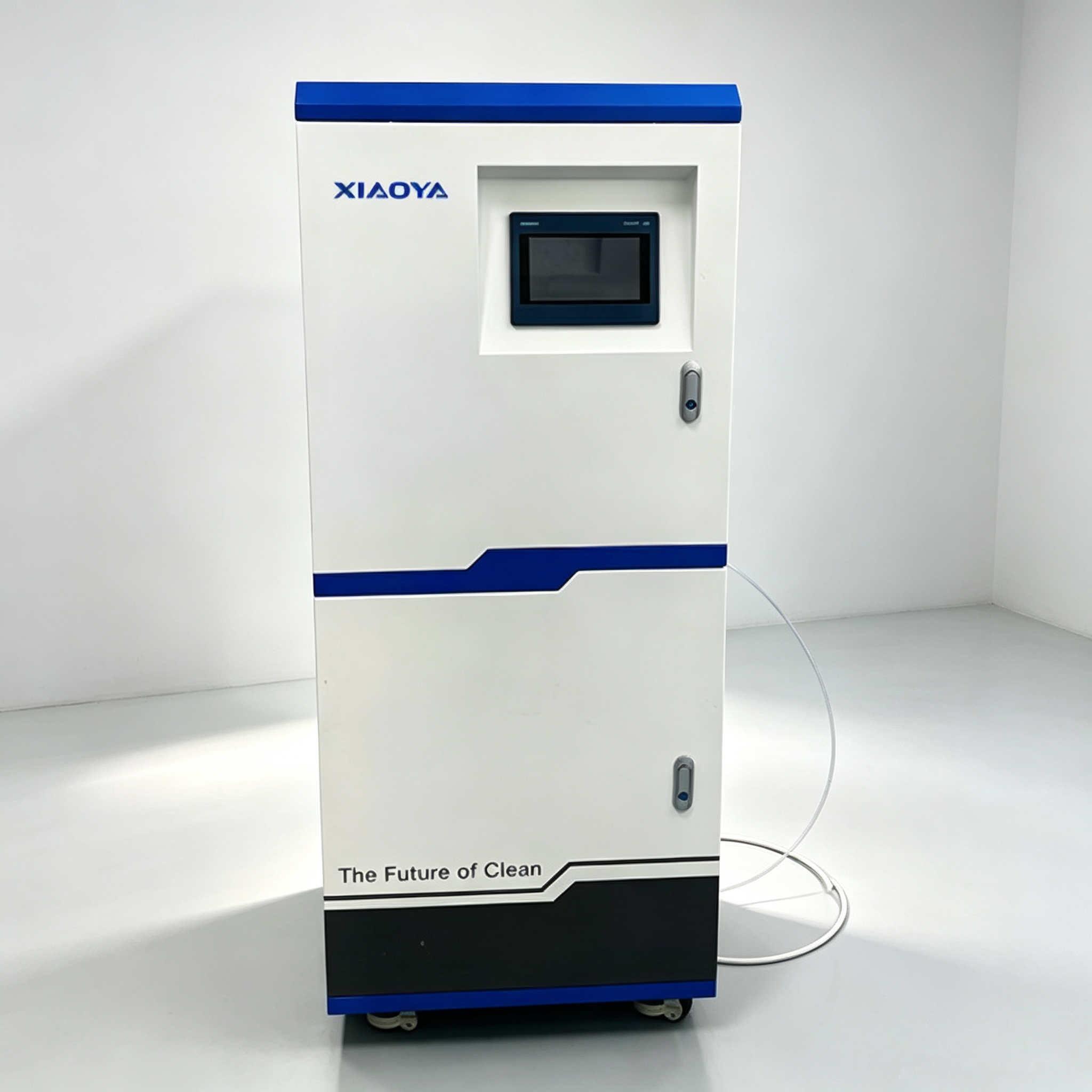
For example, a model such as AQ-P300-A is designed for industrial use with generation capacity of 120 to 300 liters per hour, adjustable according to customer requirements. That flexibility helps operators match output to different produce categories and line speeds.
With a pH range of 5.0 to 6.5 and effective chlorine concentration from 10 to 200 mg/L, the system can be tuned for practical hygiene targets while maintaining food-contact suitability in relevant use scenarios.
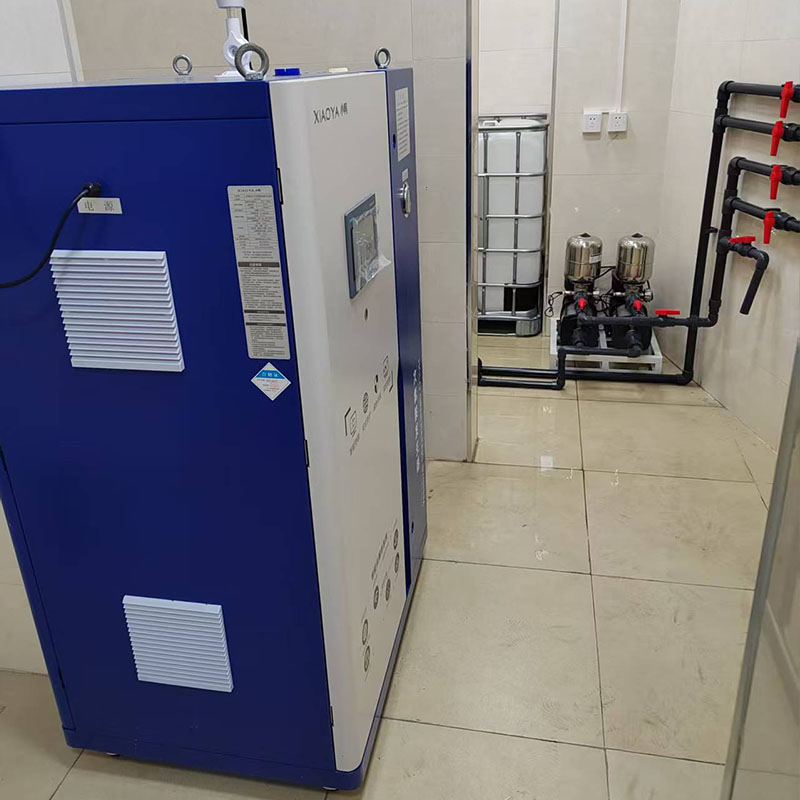
Its operational profile also reflects commercial needs: rated voltage 220V at 50Hz, rated power 420W, inlet water pressure of 0.15 to 0.25 MPa, a 5-liter electrolyte tank, and host dimensions of 500 by 510 by 1500 mm.
More importantly, the business value comes from outcomes. Slightly acidic hypochlorous acid water can help reduce pathogenic microorganisms on produce surfaces, regulate post-harvest respiratory metabolism, inhibit ethylene production, and lower decay rates from the source.
Why safety and residue concerns influence buying decisions
Many buyers are no longer satisfied with strong disinfection alone. They want sanitation that fits stricter expectations around residue, operator exposure, and product compatibility, especially in sectors linked to food, health, and household use.
This is where hypochlorous acid generation has a strong advantage. When produced and applied correctly, it offers high-efficiency sterilization with a milder operating profile than many conventional chemical sanitation approaches.
For produce, food-grade safety and residue-free performance are especially important. Companies do not want hygiene measures that solve one problem while creating another in quality control, compliance review, or customer trust.
That makes integrated fresh-keeping and sterilization especially valuable. Instead of treating sanitation and shelf-life management as separate tasks, businesses can build a more unified process with fewer operational gaps.
How to evaluate ROI beyond the purchase price
The most useful ROI calculation includes more than equipment cost. Buyers should compare chemical purchasing, storage, labor time, sanitation consistency, waste reduction, downtime risk, and the cost of failed hygiene outcomes.
On-site generation often improves supply reliability because facilities do not depend as heavily on external deliveries of finished disinfectants. That matters during demand spikes, logistics disruptions, or periods of tighter compliance pressure.
In produce operations, ROI can also come from lower spoilage and longer saleable life. If sanitation helps reduce decay and maintain quality through storage and transport, the commercial benefit extends well beyond cleaning budgets.
Ease of operation should also be included in the calculation. Industrial-grade equipment that is stable, durable, and simple to run can reduce training burden and make standardized hygiene execution easier across shifts and sites.
What buyers should ask suppliers before making a decision
Ask for application-specific performance guidance, not just a brochure. The right supplier should explain suitable concentration ranges, output matching, maintenance intervals, and how the system fits the intended operating environment.
It is also worth asking whether the solution is designed around real industrial scenarios such as cold chain logistics, processing workshops, or export handling zones. A generic answer usually signals a weak fit.
Customization capability is another important filter. Different fruits, vegetables, manufacturing lines, and sanitation cycles require different output profiles. A supplier with integrated R&D and production strength is better positioned to support that variation.
Where freshness preservation is part of the goal, a dedicated option like the Hypochlorous Acid Generator for Fruit Fresh-keeping may be more appropriate than a one-size-fits-all sanitation system.
Conclusion
Industrial and commercial hypochlorous acid generators are not just another disinfection technology category. They are a practical infrastructure choice for businesses that need scalable, repeatable, and safer sanitation with stronger operational control.
The real decision is not whether hypochlorous acid generation sounds advanced, but whether the system matches your throughput, application methods, hygiene objectives, and long-term cost structure. That is where value becomes measurable.
For operators in health care, appliance manufacturing, produce processing, storage, and logistics, the strongest solutions are those that combine stable output, food-grade or application-appropriate safety, easy operation, and industrial durability.
When evaluated this way, hypochlorous acid generation stands out as a smart path toward cleaner processes, reduced waste, and more resilient sanitation management at commercial scale.
NEWS
 Public Facility HOCl Storage: Managing Heat, Light, and Shelf Life
 On-Site HOCl vs. Purchased Disinfectant for Municipal Buildings
- Sizing a Public Facility HOCl Generator for Peak Cleaning Demand
- What Can a Hypochlorous Acid Generator Do for Public Facility Cleaning?
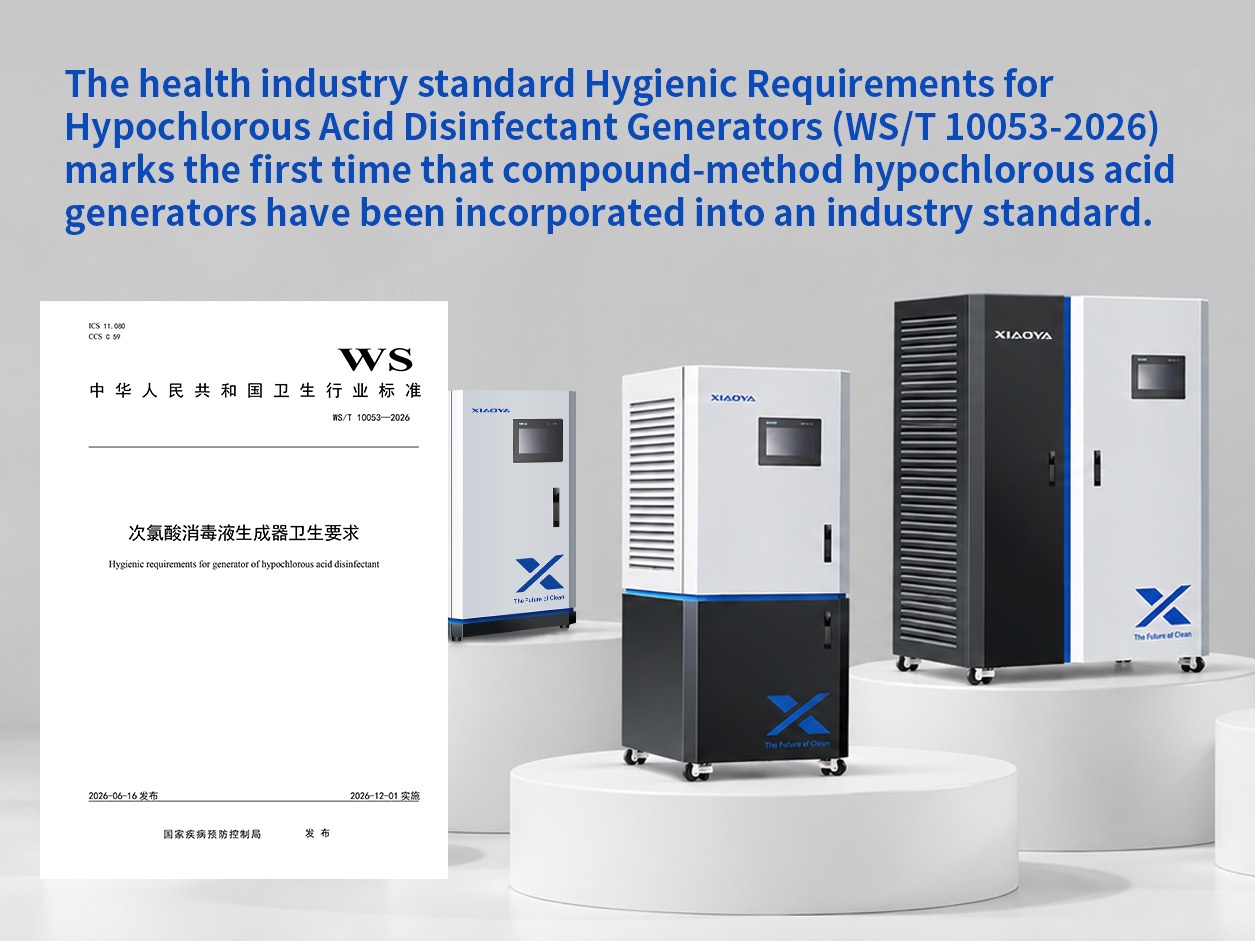
 WS/T 10053-2026 Includes the Compound Method for the First Time: Standard Signals and Market Opportunities for Mass Agricultural Production of Hypochlorous Acid Generators

Leave us a message

Xiaoya Group was founded in 1979,expert in the electrolyzed water industry.
Get in Touch
*We respect your confidentiality and all information are protected.