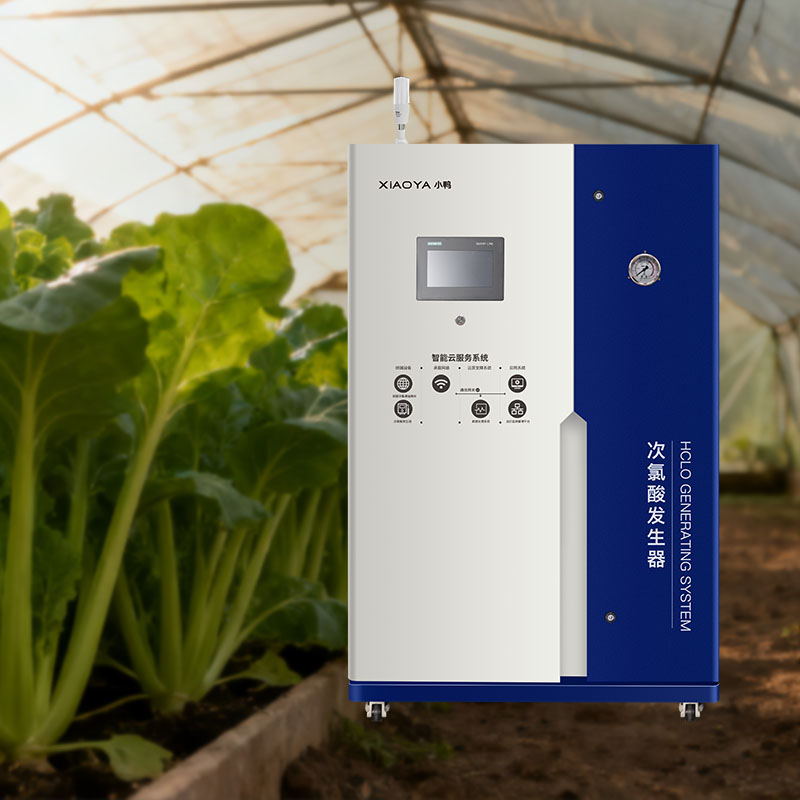
In modern agriculture, farming hypochlorous acid generators are becoming essential for improving hygiene, biosecurity, and operational efficiency. For enterprises integrating R&D, production, and smart automation across disinfection and household appliance industries, these systems offer a reliable way to support cleaner irrigation, safer livestock environments, and more sustainable farm management.
Why are farming hypochlorous acid generators gaining attention in automated agriculture?
Agriculture is no longer managed by labor alone. Modern farms rely on automated equipment, data-driven sanitation routines, and reliable disinfection processes to reduce disease pressure while protecting yield and livestock health.
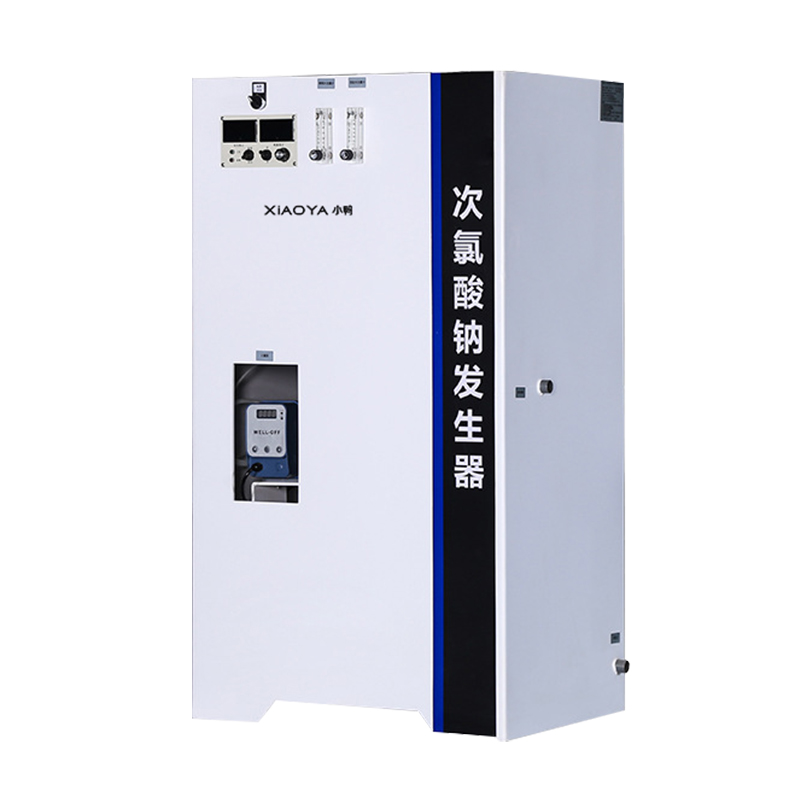
That is where farming hypochlorous acid generators stand out. They produce on-site disinfectant through controlled electrolysis, helping farms avoid the storage, transport, and dilution issues associated with many conventional chemicals.
For equipment-focused manufacturers with strengths in kitchen and bathroom appliances, health care and disinfection appliances, clean energy, and small household appliances, this technology is a natural extension of automation capability and hygiene engineering.
- It supports continuous, repeatable sanitation in irrigation lines, breeding areas, and cleaning workflows.
- It reduces dependence on manually mixed disinfectants that often create unstable concentration control.
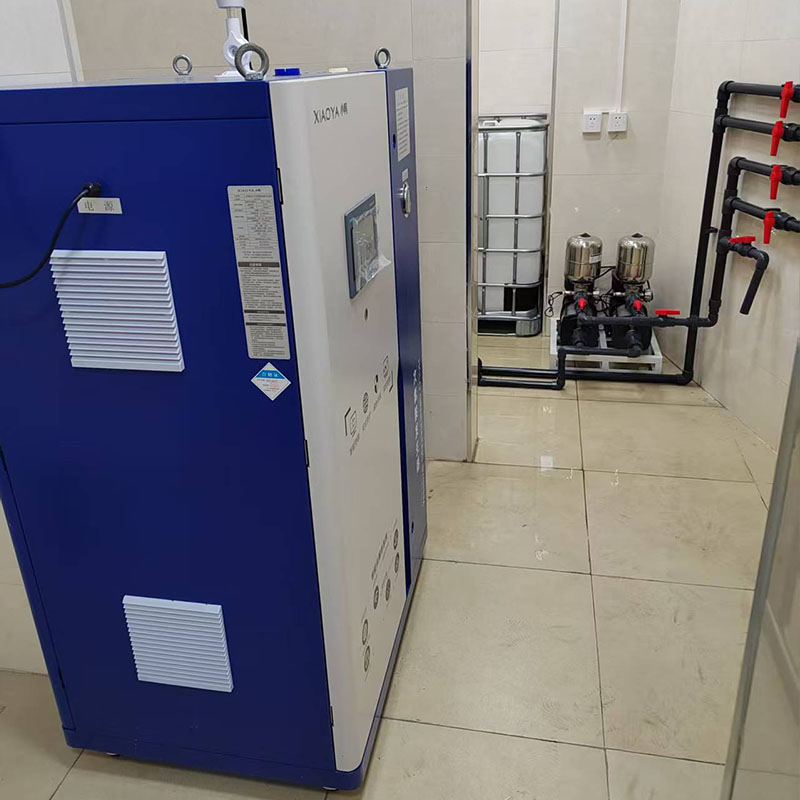
- It fits well into automated equipment architectures that require PLC logic, remote monitoring, and modular maintenance.
What problems do farms and agri-tech buyers actually need to solve?
Most buyers are not just looking for a disinfectant machine. They are trying to solve biosecurity gaps, unstable hygiene routines, waterline contamination, labor shortages, and rising compliance expectations from downstream buyers and food systems.
In automated agriculture, a poor sanitation system can affect crop quality, animal health, equipment reliability, and operating cost. That makes system selection a technical and financial decision, not a simple consumables purchase.
Which farm scenarios are the best fit for farming hypochlorous acid generators?
Different agricultural environments need different dosing logic, output capacity, and equipment integration. The table below helps buyers compare common application scenarios before choosing a farming hypochlorous acid generator.
The key takeaway is simple: not every farm needs the same output profile. Buyers should define whether they need line disinfection, environmental spraying, point-use sanitation, or a combined automated hygiene platform.
How does automation change the hygiene decision?
On manual farms, hygiene may depend on staff discipline. On automated farms, hygiene must be built into process logic. This means generation speed, dosing precision, communications modules, and integration with other devices matter as much as chemistry.
An enterprise with integrated R&D, production, and operation can respond more effectively here because it understands not only the generator itself, but also the surrounding control environment, serviceability, and production consistency.
What technical features should buyers compare before purchase?
When evaluating farming hypochlorous acid generators, many procurement teams focus only on output volume. That is not enough. Buyers should compare the full technical structure, especially if they need industrial-grade reliability or future equipment linkage.
The following table highlights core selection dimensions that matter in automated equipment projects across agriculture and adjacent disinfection sectors.
For buyers serving mixed sectors, cross-industry equipment experience can be valuable. A platform originally engineered for strict disinfection environments often brings better control discipline, safety thinking, and integration quality into agricultural use.
A useful reference from adjacent disinfection applications
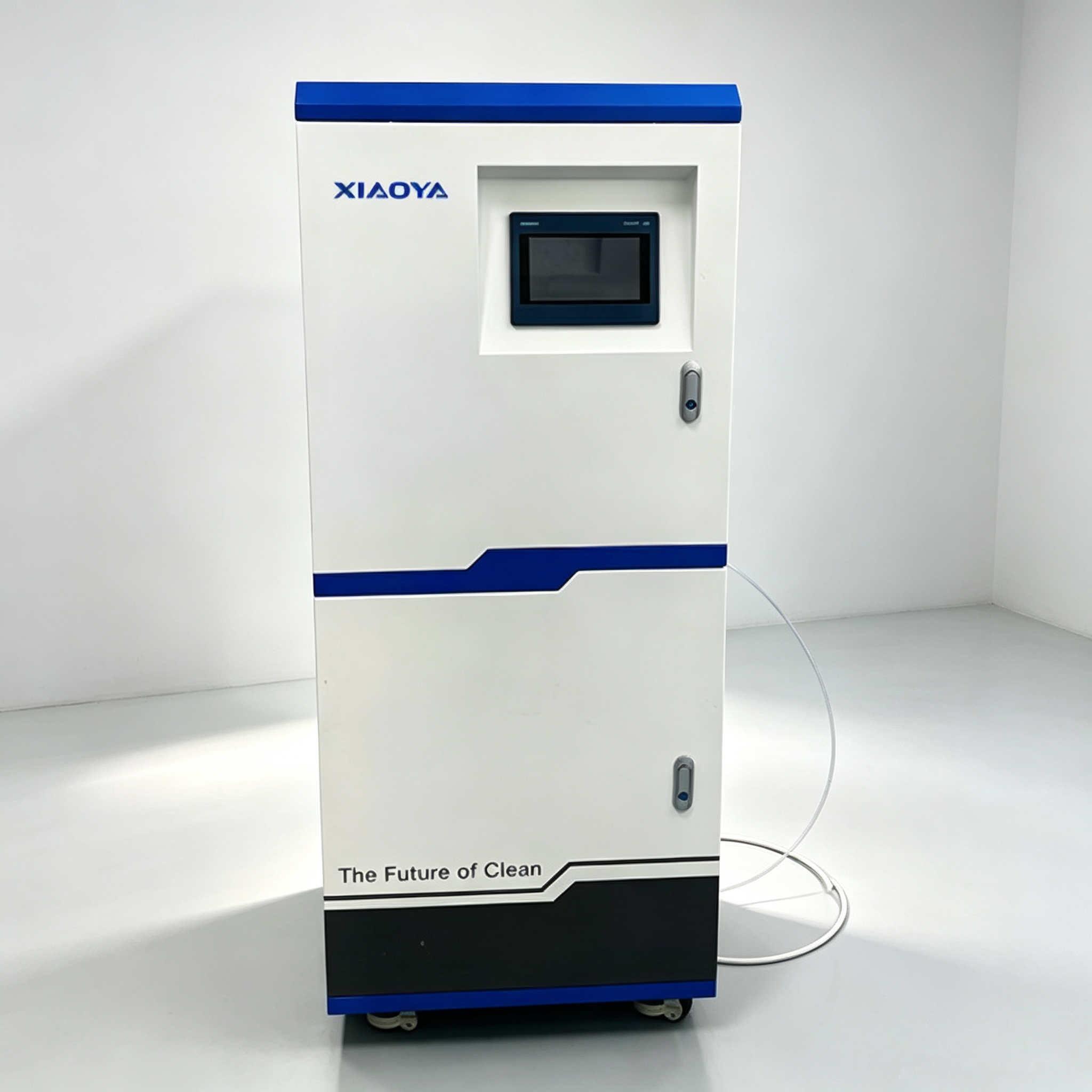
One practical example is the Hypochlorous Acid Generator for Dental Chair Pipeline Disinfection, model XY-SAEW-300W. Although designed for stomatological hospitals, dental clinics, and dental outpatient clinics, its design logic offers important insight for agricultural buyers evaluating automation-grade hygiene equipment.
- Generation capacity reaches 300 L/h, with pH 6.37 and effective chlorine concentration of 68.9 mg/L.
- It uses hypochlorous acid as the main bactericidal factor and supports precise concentration adjustment.
- Its PLC control system, modular configuration, and integrated 4G remote control reflect the kind of automation features many agri-tech projects now demand.
- The electrolyzer service life is rated at no less than 3000 hours, which helps teams think more clearly about maintenance planning.
The lesson is not that dental and farming applications are identical. It is that high-standard disinfection equipment developed for sensitive pipelines can inform smarter agricultural equipment selection, especially where biofilm control, non-corrosive operation, and remote management are priorities.
How do farming hypochlorous acid generators compare with traditional disinfection methods?
Buyers often compare farming hypochlorous acid generators with chlorine tablets, manually diluted chemicals, or outsourced sanitation procedures. The differences become clearer when viewed through an automation and operating-cost lens.
This comparison shows why many automated agriculture projects are moving toward generation-based solutions. They offer better process consistency and can align with digital maintenance, remote alerts, and controlled dosing strategies.
What should procurement teams verify before placing an order?
Core selection checklist
- Confirm daily treatment volume, peak sanitation periods, and whether the farm needs continuous or batch operation.
- Check water pressure, inlet quality, and pipeline materials before finalizing generator configuration.
- Clarify whether remote control, mobile access, or computer-terminal management is required.
- Ask about service life of key components, replacement cycles, and spare parts support.
- Review compliance needs if the equipment may be used in regulated food, animal care, or medical-adjacent environments.
Procurement mistakes usually come from underestimating the operating environment. A generator that works well in a small closed loop may not suit an open, variable, or heavily contaminated farm network.
Why integrated manufacturing capability matters
A supplier that combines R&D, production, and operation can usually respond faster on customization, quality consistency, and delivery alignment. That matters when buyers need changes in voltage, control logic, housing design, or connection standards.
It also helps when the same enterprise already has experience in disinfection appliances, household appliance engineering, and clean-energy-oriented product development. Those capabilities often translate into more stable production control and more practical equipment design.
FAQ: common buying questions about farming hypochlorous acid generators
Are farming hypochlorous acid generators suitable for all farm sizes?
Not always. Small farms may prefer compact units for targeted sanitation, while medium and large operations often need higher output, automation linkage, and stronger service planning. The right choice depends on treatment volume, line complexity, and operating schedule.
What matters more: output or concentration control?
Both matter, but concentration control is often overlooked. High output without stable concentration can create ineffective sanitation or material stress. For automated equipment projects, precise adjustment is usually more valuable than headline capacity alone.
Can these systems help reduce labor pressure?
Yes, especially when they are integrated into timed routines, PLC-controlled workflows, or remote monitoring platforms. Labor is not eliminated, but repetitive mixing, dosing, and checking tasks can be significantly reduced.
What is a common selection mistake?
A common mistake is buying only by initial price. Buyers should also evaluate component life, maintenance frequency, compatibility with existing automated equipment, and whether the system can adapt to future expansion.
Why choose us for automated disinfection equipment solutions?
We understand that buyers in automated equipment markets do not need generic product claims. They need clear technical communication, dependable manufacturing coordination, and realistic guidance on how a hygiene system fits the target process.
With strengths across kitchen and bathroom appliances, health care and disinfection appliances, clean energy, and small household appliances, plus integrated R&D, production, and operation capability, we can support projects that require both hygiene performance and industrial implementation logic.
- Consult us for parameter confirmation, including output, concentration range, voltage, and inlet water conditions.
- Discuss product selection based on farm size, sanitation targets, and control system requirements.
- Ask about delivery timelines, sample support, and practical customization options for automated equipment integration.
- Review certification expectations, service planning, and quotation details before procurement moves forward.
If you are comparing farming hypochlorous acid generators for agriculture, livestock, or cross-industry disinfection applications, the next step is not guesswork. It is a structured discussion around scenario, parameters, compliance, and long-term operating cost.
NEWS
 Public Facility HOCl Storage: Managing Heat, Light, and Shelf Life
 On-Site HOCl vs. Purchased Disinfectant for Municipal Buildings
- Sizing a Public Facility HOCl Generator for Peak Cleaning Demand
- What Can a Hypochlorous Acid Generator Do for Public Facility Cleaning?
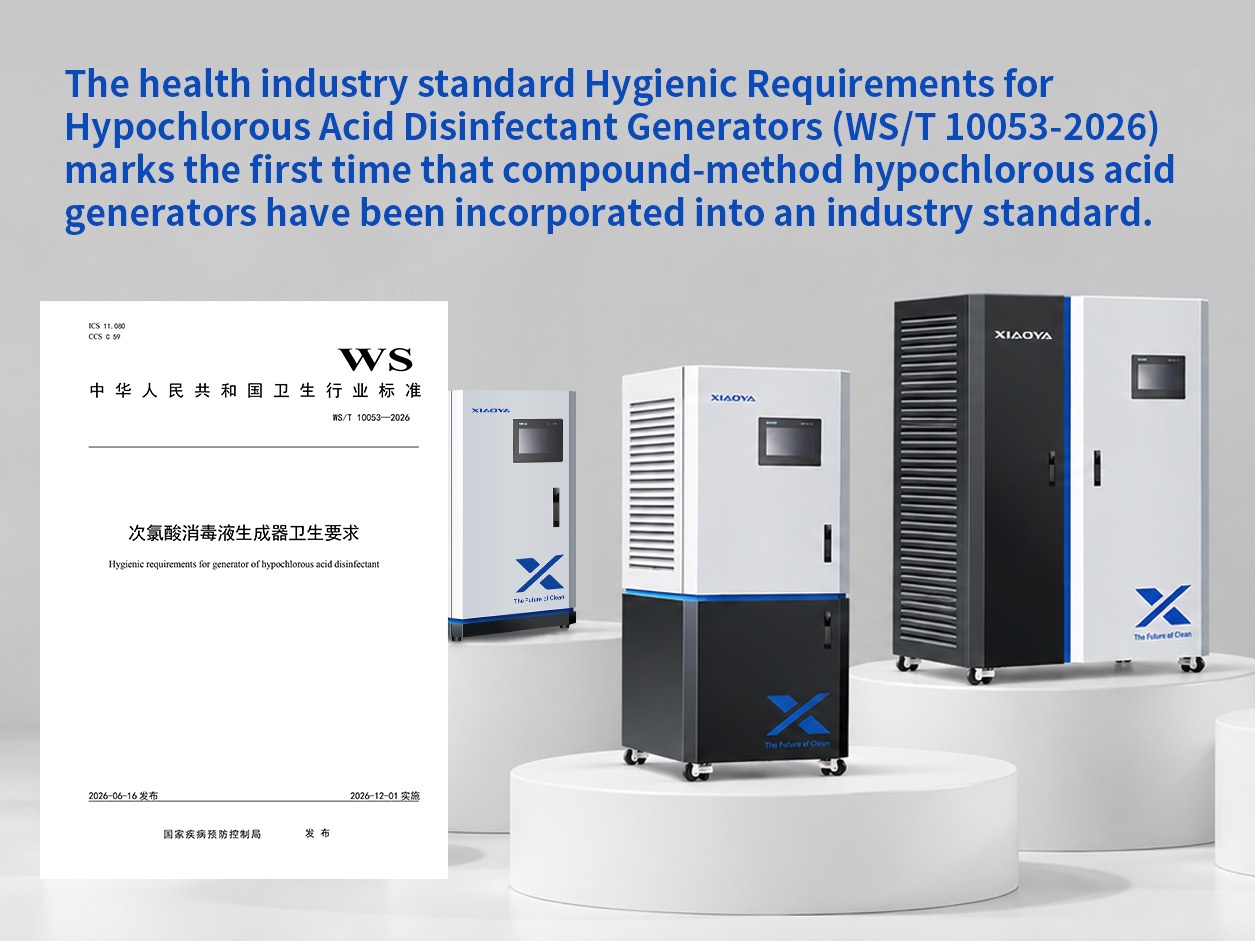
 WS/T 10053-2026 Includes the Compound Method for the First Time: Standard Signals and Market Opportunities for Mass Agricultural Production of Hypochlorous Acid Generators

Leave us a message

Xiaoya Group was founded in 1979,expert in the electrolyzed water industry.
Get in Touch
*We respect your confidentiality and all information are protected.