news
Hypochlorous Acid Generator Capacity: Start with the Real Sanitation Demand
Choosing the right hypochlorous acid generator capacity is less about buying the largest machine available and more about matching production to the rhythm of a facility. A small bakery may need fresh sanitizer before each shift. A central kitchen may need a steady supply for produce washing, food-contact surfaces, and equipment cleaning. A cold-chain warehouse may face intermittent but high-volume sanitation demand during receiving and dispatch periods.
This Hypochlorous Acid Generator Capacity Guide helps decision-makers translate those daily realities into a practical equipment requirement. Capacity affects not only how much solution can be produced, but also whether sanitation teams can work without delays, whether storage is necessary, and whether the system can adapt as production expands.
For facilities seeking on-site disinfection, hypochlorous acid (HOCl) offers a useful alternative to transporting and storing large quantities of conventional chemical products. When generated from salt and treated water, it can be produced close to the point of use. The key question is simple: how much solution, at what concentration, is needed when the operation actually needs it?
Capacity Is a Volume-and-Time Calculation
Generator output is usually expressed in liters per hour. That number is important, but it does not stand alone. A 100 L/h unit, for example, is suitable for a very different operation depending on whether the plant runs for one hour each day or for several shifts, and whether the output is used at 50 ppm, 200 ppm, or a higher concentration allowed by the site’s sanitation program.
A useful planning method begins with the required volume at the point of use:
- Produce and raw-material washing water
- Spray or fogging applications for rooms and surfaces, where appropriate
- Conveyor, utensil, container, and equipment sanitation
- Footbaths, handwashing support, and entry-point hygiene programs
- Floor, drain, and non-food-contact cleaning routines
- Reserve volume for peak production days and washdown periods
Add the estimated liters required for each task, then consider how many hours are available to produce the solution. If a facility needs 400 liters during a four-hour preparation window, a system rated near 100 L/h may be a logical baseline. If the same 400 liters are needed in one hour, that capacity is unlikely to provide enough operational margin unless stored solution is already available.
It is wise to allow extra capacity for rinsing cycles, occasional rework, seasonal volume increases, and changes in sanitation schedules. Yet excessive oversizing can also be wasteful when a machine sits idle most of the time or when generated solution is stored longer than the facility prefers.
Concentration Changes the Capacity Conversation
Many buyers focus only on liters per hour and overlook the concentration range. In practice, the needed available chlorine concentration depends on the application, internal procedures, local regulations, contact time, organic load, and whether the solution is used on food-contact or non-food-contact areas.
A generator that provides adjustable output offers greater flexibility than one designed for a single concentration. Low-concentration, high-activity HOCl may be appropriate for some routine sanitation tasks, while other applications may require a different setpoint. The objective is not to use the strongest possible solution; it is to produce a validated, fit-for-purpose solution consistently.
pH is equally relevant. Hypochlorous acid exists in different chemical balances depending on pH, and the proportion of active HOCl can change significantly. In food-processing environments, facilities often value stable control because inconsistent water chemistry can make sanitation procedures harder to standardize. Water testing and routine concentration checks should therefore be part of the selection process, not an afterthought after installation.
What a 100 L/h System Can Mean in Food Operations
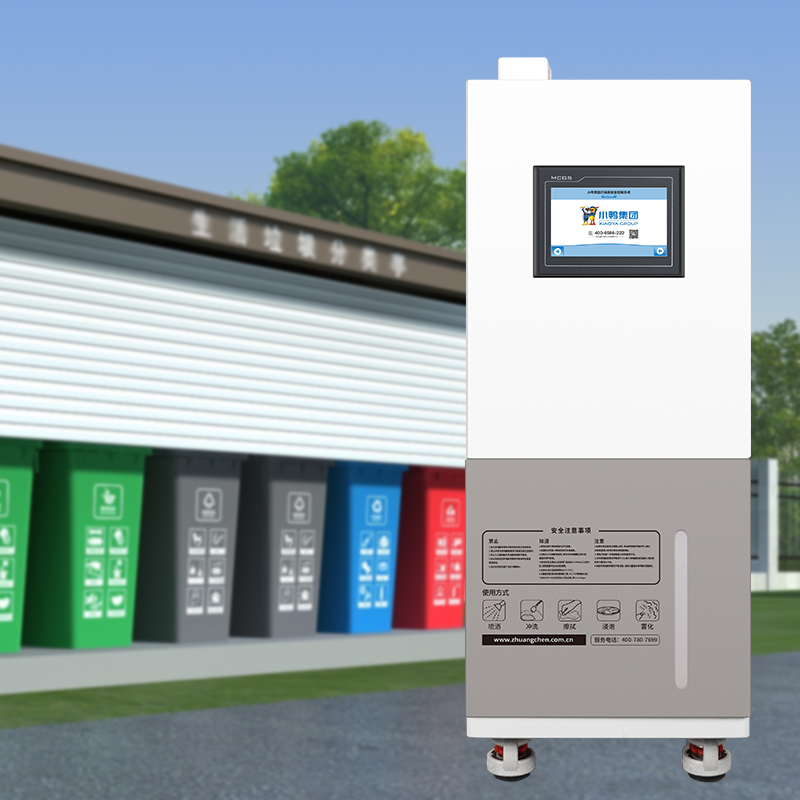
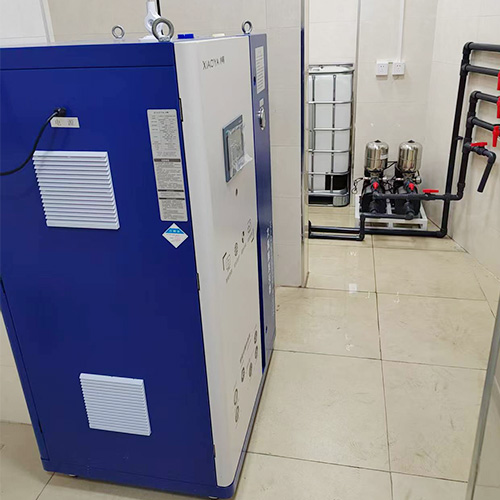
For medium-scale food applications, a 100 L/h generator can provide a practical balance between output and on-site footprint. The Food Hypochlorous AcidGenerator / table salt (NaCl) in the XY-SAEW-100 configuration is designed to produce up to 100 liters per hour using food-grade salt and purified water. Its available chlorine concentration is adjustable from 10 to 1000 ppm, allowing operators to align output with different sanitation tasks rather than maintaining separate chemical inventories for every area.
This type of capacity may suit fruit and vegetable processing lines, meat and aquatic product preparation areas, bakery operations, snack-food plants, central kitchens, and cold-chain warehousing. The right fit still depends on usage patterns. A central kitchen with a concentrated morning washdown may need the full hourly output immediately. A bakery with cleaning spread across the day may find that the same capacity provides comfortable headroom.
For operations where chemical residue and salt load are concerns, the generation method matters as much as the nominal capacity. Systems using a proton exchange membrane can support controlled electrolysis performance. The XY-SAEW-100 uses a perfluorosulfonic acid proton exchange membrane and is designed for low salt consumption, with stated salt use of 300 g and power consumption of 1.75 kW·h under its specified operating conditions. These figures should be reviewed alongside actual local water quality and the intended output settings.
Do Not Ignore Water Quality and Daily Maintenance
Two facilities can install identical hypochlorous acid generators and experience very different results if their incoming water is not comparable. Hardness, mineral content, conductivity, suspended solids, and source-water stability can affect electrolysis efficiency, scaling, and maintenance needs. Purified or properly pretreated water may be necessary to protect the cell and maintain consistent output.
Ask equipment suppliers clear questions before committing to a capacity:
- What water pretreatment is recommended for the local supply?
- How is concentration verified during operation?
- How often does the electrolysis cell require service or replacement?
- Can the unit perform automatic flushing or cleaning cycles?
- What is the expected production rate at the concentration we actually need?
- How will the system connect to storage tanks, dosing points, or automated wash lines?
Maintenance features may have a direct impact on usable capacity. A machine that is theoretically large enough but frequently stopped for cleaning does not deliver dependable production. Equipment with automatic water flushing, self-cleaning, and acid-cleaning functions can reduce manual intervention and help preserve the performance of the electrolysis cell. For busy food facilities, this can be more valuable than a modest increase in headline output.
Batch Production, Continuous Production, or Both?
A compact operation may generate a batch in the morning, transfer it to labeled tanks, and use it through the shift. This approach is simple, provided storage conditions, solution stability, and concentration monitoring are managed appropriately. It can work well for kitchens, small food workshops, and sites with predictable demand.
Continuous or near-continuous production is often better for high-throughput facilities. Produce wash systems, automated sanitation lines, and large cleaning rooms can create demand that changes from minute to minute. Connecting the generator to a buffer tank, dosing equipment, or distribution loop helps avoid interruptions while keeping solution fresher than long-term bulk storage.
Automation equipment should be selected as part of the whole workflow. Consider tank-level sensors, flow monitoring, interlocks, alarms, and cleaning-cycle scheduling. A generator is not simply a standalone appliance; it becomes part of the facility’s sanitation infrastructure. The most suitable capacity is the one that fits that infrastructure without forcing staff to improvise around it.
Common Sizing Mistakes
Choosing based on floor area alone. Square meters do not reveal how much solution is needed. A small meat-processing room can demand more sanitation volume than a much larger dry-goods warehouse.
Assuming rated output applies to every setting. Production conditions, concentration targets, water temperature, and feed-water characteristics can influence actual output. Review performance at the intended operating range.
Planning for average demand only. Peak demand drives bottlenecks. Account for shift changes, delivery days, deep-cleaning schedules, and seasonal production surges.
Forgetting operator routines. A technically capable generator still needs straightforward testing, safe chemical handling procedures, cleaning access, and staff training. Complexity that does not match the team’s workflow can undermine adoption.
A Practical Selection Checklist
Before finalizing a hypochlorous acid generator capacity, document daily and peak hourly solution demand, required concentration ranges, operating hours, source-water data, available installation space, electrical supply, and the intended delivery method. Then decide whether the site benefits more from immediate production, buffer storage, or an automated distribution arrangement.
The best capacity is rarely the smallest unit that can meet a spreadsheet total, nor the largest unit presented in a catalog. It is the system that produces the required solution reliably at the required time, with manageable maintenance and enough flexibility to support future sanitation needs. For food and hygiene-focused operations, that balance can turn on-site HOCl generation from a promising concept into a dependable part of daily production.
NEWS
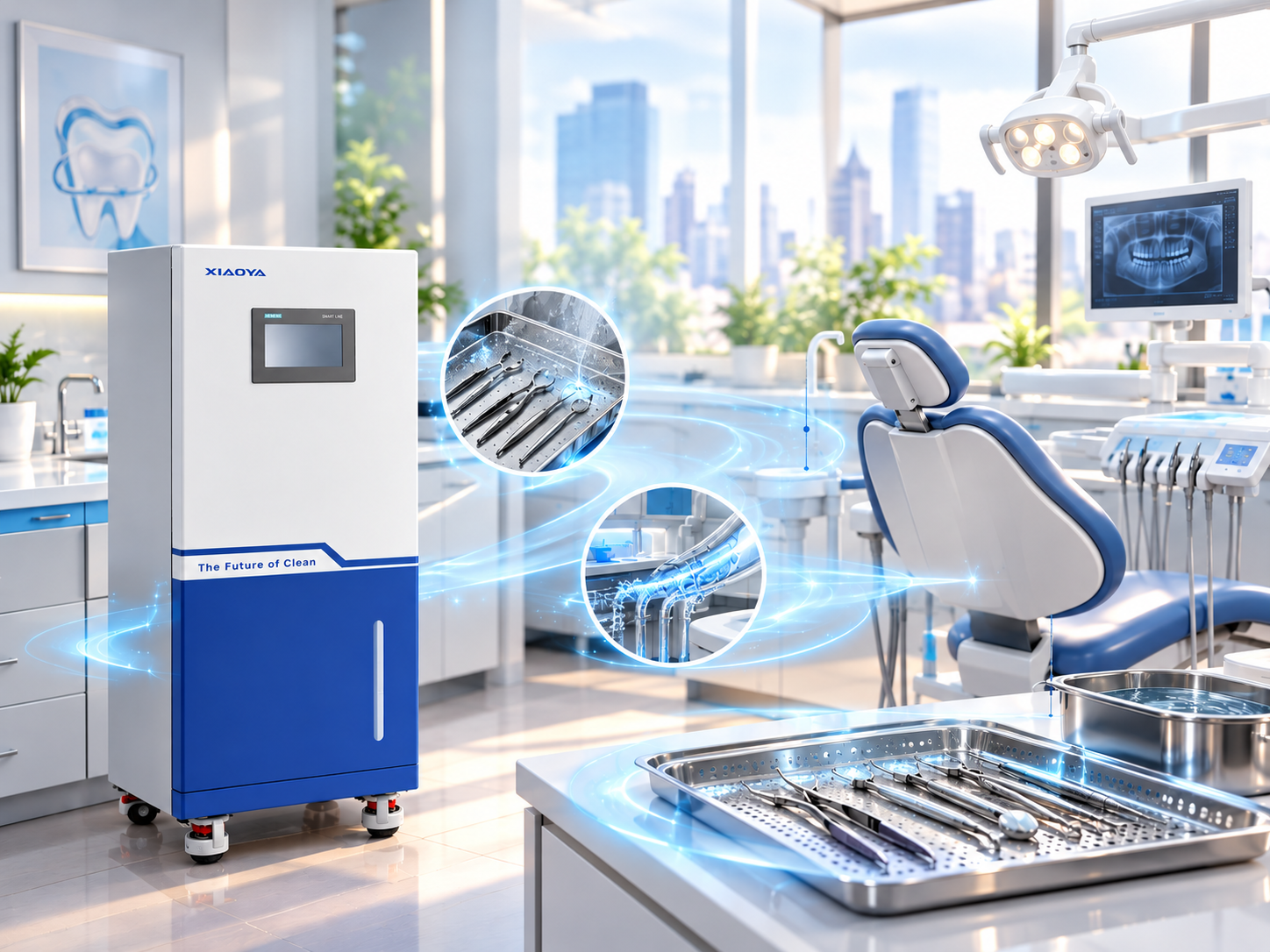
 Disinfection Empowers Orthodontic Safety: Hypochlorous Acid Generators Build a Sterile Defense Line for Dental Instruments
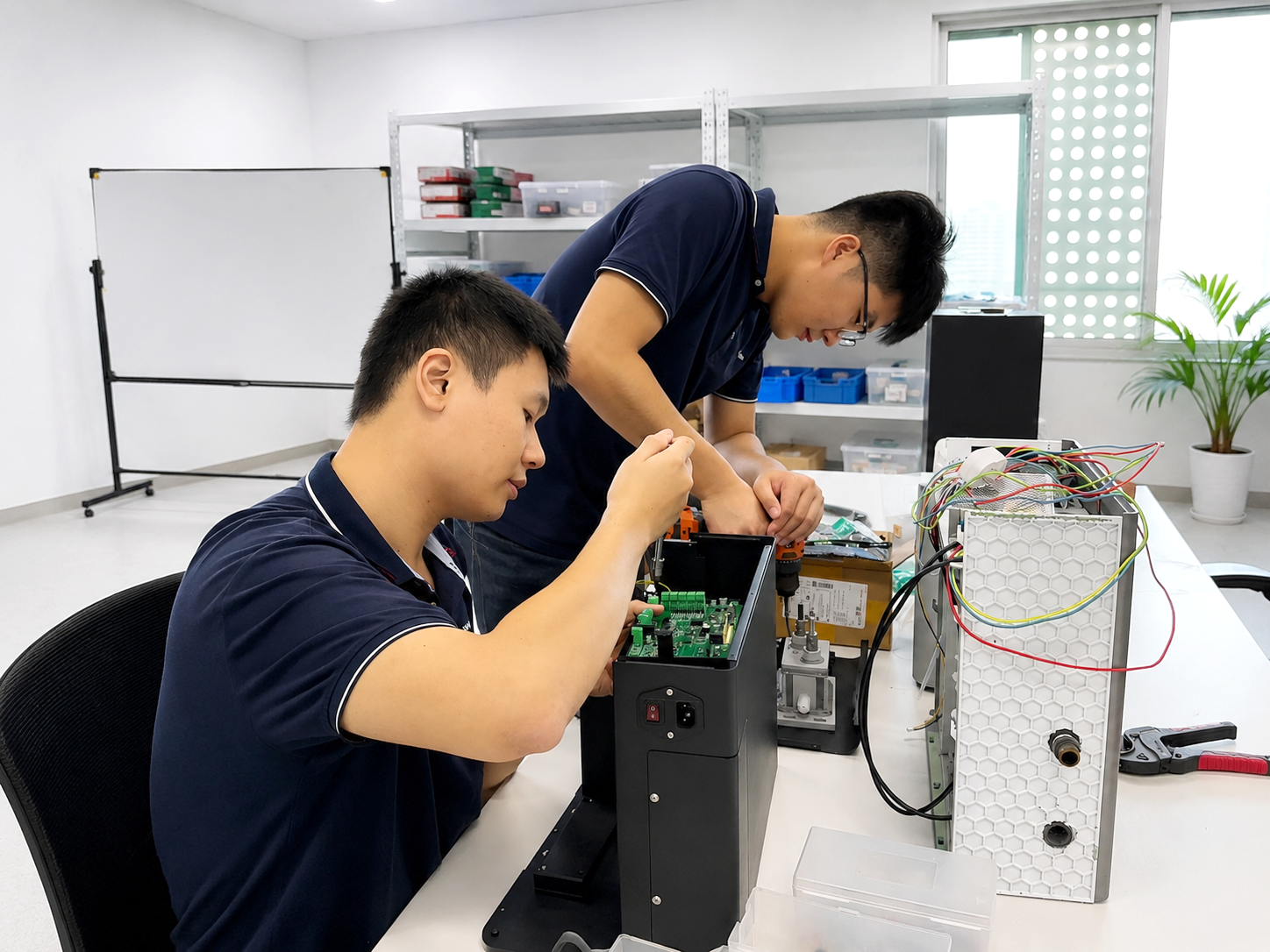
- Accumulating Strength and Reaching New Heights: A Record of the Production Breakthrough of Xiaoya Small Home Appliances' Hypochlorous Acid Generators
 Medical HOCl Generator Procurement: Service, Training, and Traceability
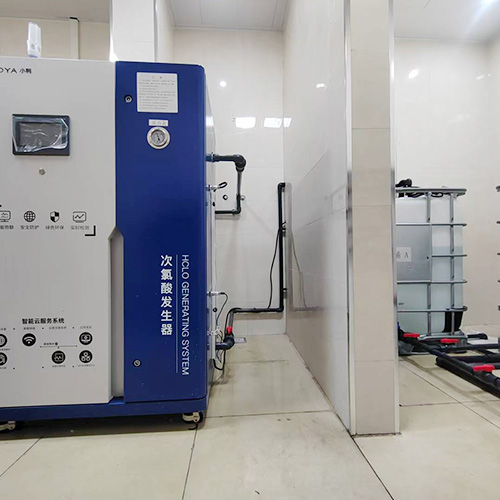
- Integrating a Medical HOCl Generator into Hospital Cleaning Stations
 Verifying HOCl Concentration and Contact Time for Hospital Surfaces
Leave us a message

Xiaoya Group was founded in 1979,expert in the electrolyzed water industry.
Get in Touch
*We respect your confidentiality and all information are protected.