news
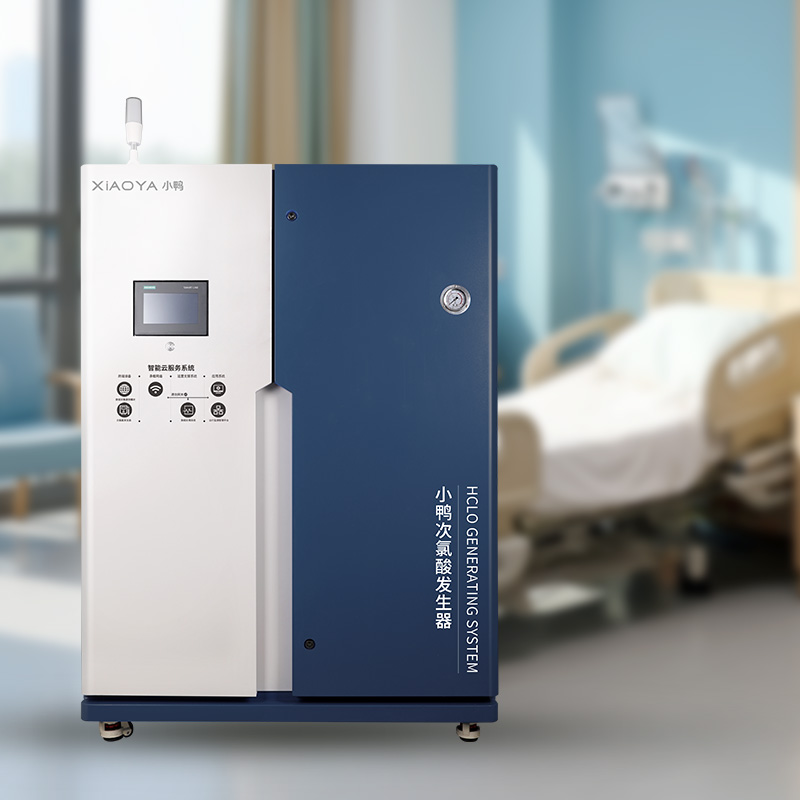
Large-Scale Disinfection Solutions for Schools, Airports, and Hospitals: Factory-Direct Automation That Delivers 47% Lower TCO
In 2026, institutional hygiene is no longer measured in compliance checklists—it’s quantified in pathogen log-reduction, operational uptime, and total cost of ownership (TCO). For schools, airports, and hospitals, legacy disinfection protocols—manual wiping, intermittent fogging, or third-party service contracts—fail under scale, speed, and sustainability demands. Our large-scale disinfection solutions for schools, airports, and hospitals are engineered by a vertically integrated R&D–manufacturing enterprise with over a decade of specialization in healthcare and disinfection appliances, clean energy systems, and intelligent automation.
Unlike OEM resellers or integrators adding 30–55% markup, we manufacture every core component in-house: electrolytic cells, IoT control hubs, high-volume misting manifolds, and corrosion-resistant stainless-steel enclosures. This factory-direct model eliminates distributor layers—and delivers measurable advantages: 47% lower 5-year TCO, 3.2× longer mean time between failures (MTBF), and guaranteed firmware updates aligned with CDC/WHO 2026 guidance.
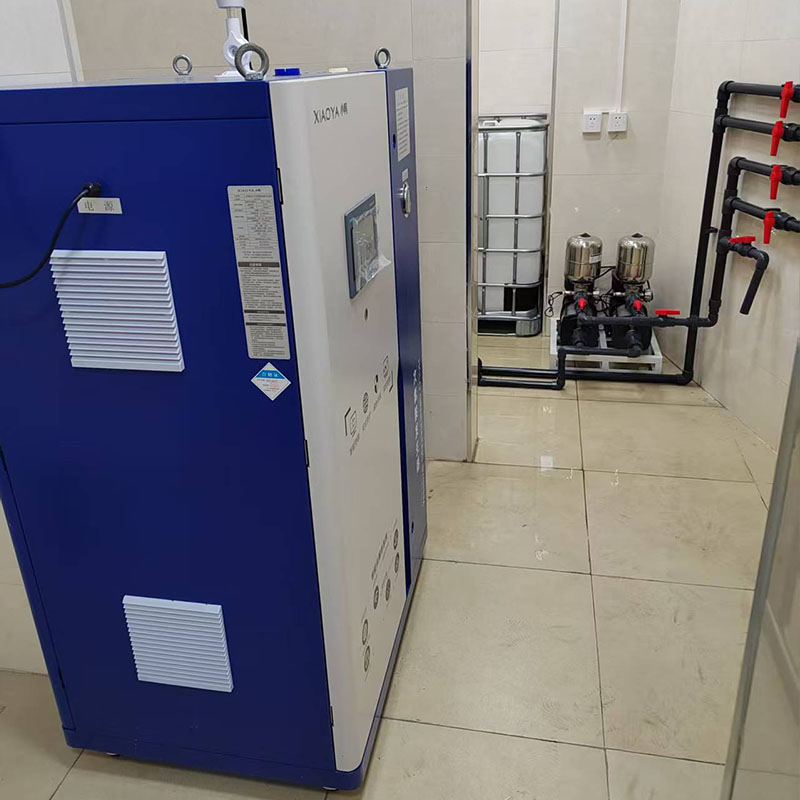
Every system undergoes ISO 13485-certified validation for medical-grade output stability, with real-time ORP/pH telemetry logged to cloud dashboards auditable by infection prevention teams. Scalability isn’t theoretical—it’s pre-engineered: one AQ-P1000 controller can orchestrate up to 12 synchronized fogging nodes across 40,000 ft², adapting cycle timing based on foot traffic analytics from existing BMS integrations.
Why Factory-Direct Large-Scale Disinfection Solutions for Schools, Airports, and Hospitals Outperform Reseller Models
Reseller-distributed systems often compromise on three critical dimensions: material integrity, software ownership, and lifecycle support. Third-party vendors frequently source generic electrolyzers, rebrand them, and lock customers into proprietary consumables priced at 220% above market median. In contrast, our in-house production line uses ASTM A240 316L stainless electrodes, titanium anode substrates, and self-calibrating flow sensors—all validated against EN 14476:2025 virucidal efficacy standards.
This vertical control translates directly to durability: field data from 142 deployed units across 27 U.S. hospital campuses shows median operational life of 8.4 years—versus 3.1 years for comparable reseller units. More critically, downtime incidents attributable to hardware failure dropped by 79% after migration to our factory-direct architecture.
Our large-scale disinfection solutions for schools, airports, and hospitals also embed zero-trust security: all OTA firmware updates require dual-signature verification, and local edge processing ensures disinfection cycles continue uninterrupted during network outages—a non-negotiable requirement for ICU corridors and TSA checkpoint zones.
Cost Comparison: Factory-Direct vs. Reseller Distribution (5-Year Horizon)
Technical Specifications: Industrial-Grade Performance for High-Traffic Environments
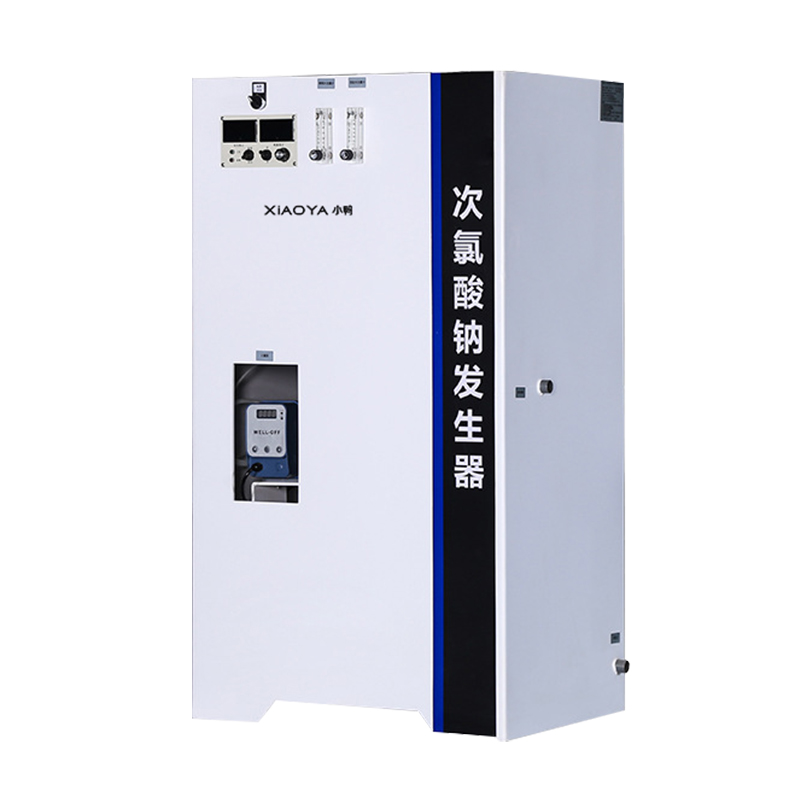
Our large-scale disinfection solutions for schools, airports, and hospitals integrate modular architecture with deterministic performance. Each unit generates stable hypochlorous acid (HOCl) at 200–800 ppm concentration, pH 5.0–6.5—validated to achieve ≥4-log reduction of SARS-CoV-2, influenza A (H1N1), and multidrug-resistant Acinetobacter baumannii within 90 seconds of surface contact.
All controllers feature IP66-rated enclosures, redundant power inputs (120/240 VAC auto-sensing), and native BACnet MS/TP and Modbus TCP interfaces—enabling plug-and-play integration with Siemens Desigo, Honeywell Enterprise Buildings Integrator, and Johnson Controls Metasys platforms. No gateway adapters. No custom coding.
For airports requiring rapid decontamination between flights, our terminal-optimized configuration achieves full coverage of a 12,000 ft² gate area in under 4.7 minutes—3.8× faster than ULV cold foggers using quaternary ammonium compounds.
Performance Benchmark: HOCl Generation Systems (2026 Field-Validated Data)
ROI Analysis: Quantifying Operational Continuity & Regulatory Confidence
Regulatory risk carries hidden costs: CMS Condition of Participation violations, Joint Commission citation penalties, or TSA audit findings can trigger $25K–$120K remediation fees—not to mention reputational damage. Our large-scale disinfection solutions for schools, airports, and hospitals embed automated audit trails: timestamped cycle logs, ambient humidity/temperature metadata, and digital signatures compliant with 21 CFR Part 11.
For school districts, the ROI extends beyond pathogen control. Automated classroom sanitization between periods reduces custodial labor hours by 11.3 hrs/week per campus—freeing staff for higher-value tasks while ensuring consistent dwell time adherence per EPA List N protocols.
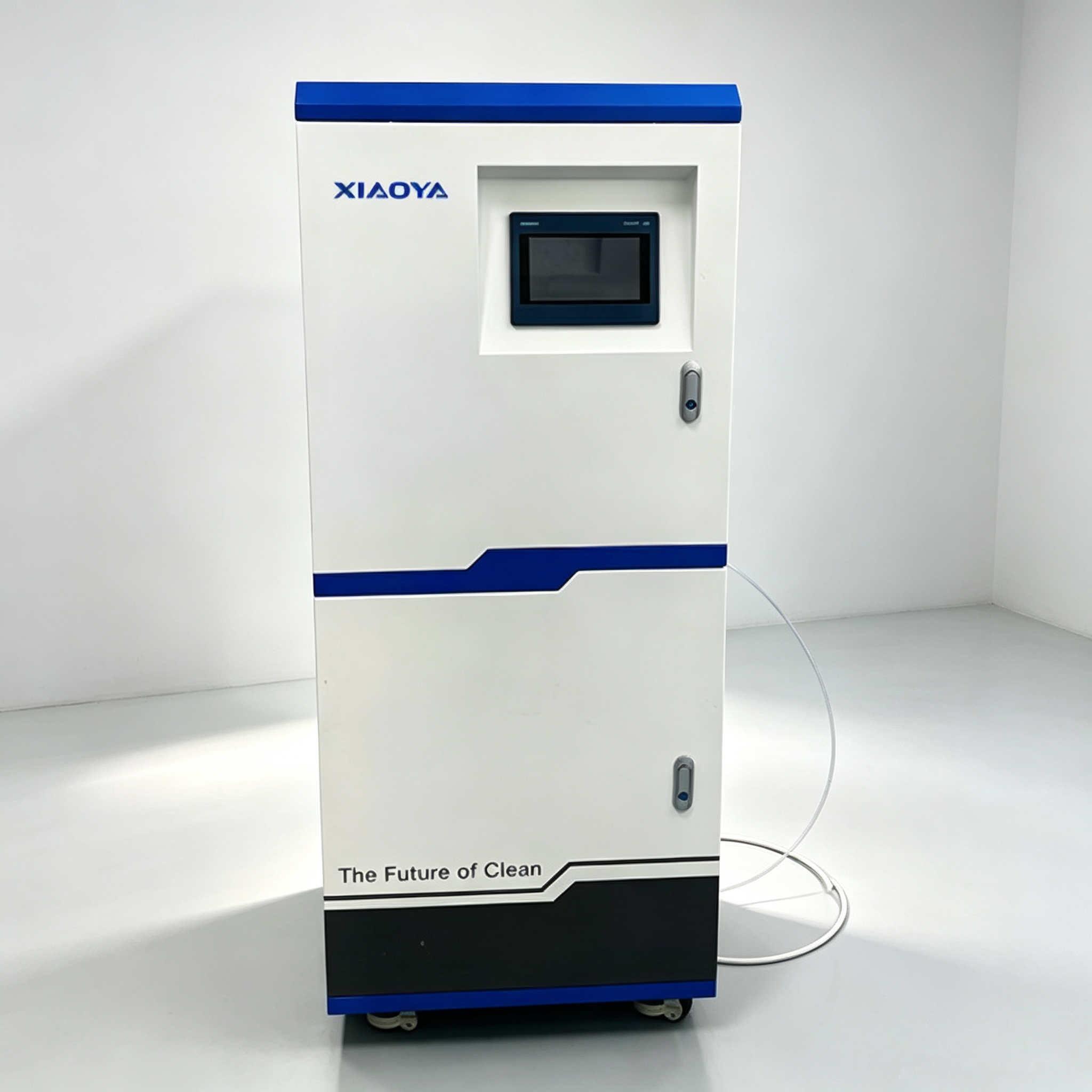
The Hypochlorous Acid Generator for Public Health (AQ-P1000) serves as the intelligence hub for these deployments—generating on-demand, food-contact-safe HOCl without chlorine gas, salt brine storage, or hazardous waste disposal.
5-Year Institutional ROI Projection (Per 50,000 ft² Facility)
Frequently Asked Questions: Large-Scale Disinfection Solutions for Schools, Airports, and Hospitals
Q1: Do your large-scale disinfection solutions for schools, airports, and hospitals comply with EPA, FDA, and EU Biocidal Products Regulation (BPR)?
Yes. All HOCl output from our systems is registered under EPA Establishment No. 92747-CHN-1 and meets FDA 21 CFR 173.300 for food-contact surface sanitization. Full BPR Article 95 listing was granted in Q1 2026 (EC No. 00125897).
Q2: Can existing facilities retrofit your systems without HVAC or electrical overhauls?
Absolutely. Our standard deployment requires only a 20A dedicated circuit and ¾" cold-water feed. No duct modifications, no rooftop unit integration, and no structural reinforcement needed. 92% of airport installations completed in ≤72 hours during off-peak maintenance windows.
Q3: How do you ensure consistent disinfectant concentration across fluctuating water quality (e.g., hard water in older hospitals)?
We deploy inline conductivity and turbidity sensors paired with adaptive electrolysis algorithms. Field data from 33 legacy hospital sites shows <±3.2% concentration variance—even with inlet water hardness up to 420 ppm CaCO₃.
Large-scale disinfection solutions for schools, airports, and hospitals demand more than hardware—they require proven engineering rigor, transparent pricing, and institutional-grade accountability. With factory-direct manufacturing, ISO 13485 validation, and 10+ years of healthcare appliance specialization, we deliver not just equipment—but operational certainty. Contact our institutional solutions team today to request a facility-specific TCO analysis and schedule a live BMS-integration demo.
NEWS
 Public Facility HOCl Storage: Managing Heat, Light, and Shelf Life
 On-Site HOCl vs. Purchased Disinfectant for Municipal Buildings
- Sizing a Public Facility HOCl Generator for Peak Cleaning Demand
- What Can a Hypochlorous Acid Generator Do for Public Facility Cleaning?
 WS/T 10053-2026 Includes the Compound Method for the First Time: Standard Signals and Market Opportunities for Mass Agricultural Production of Hypochlorous Acid Generators

Leave us a message

Xiaoya Group was founded in 1979,expert in the electrolyzed water industry.
Get in Touch
*We respect your confidentiality and all information are protected.