news
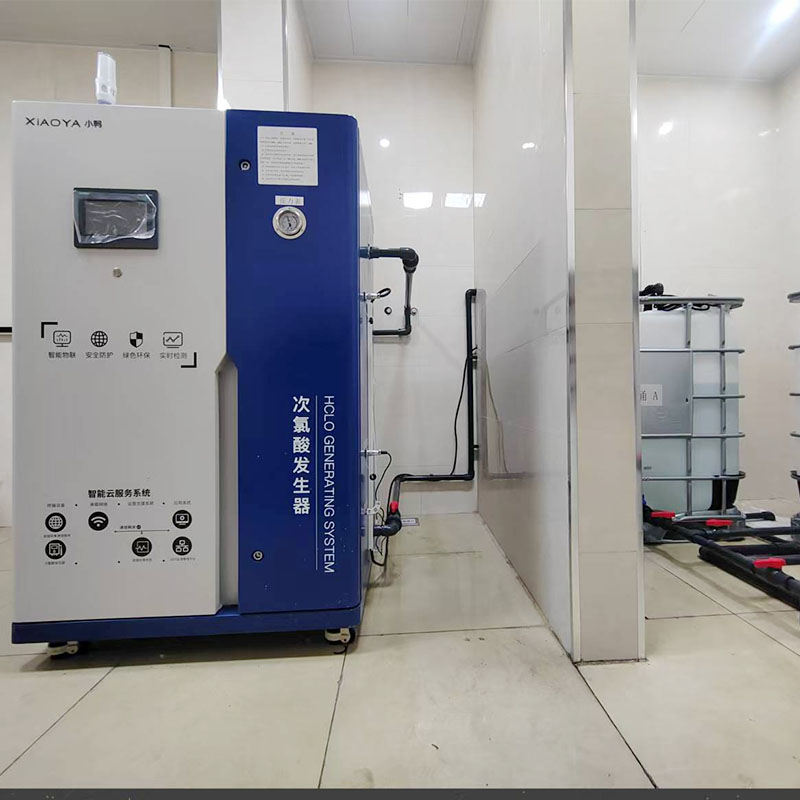
Why the on-site hypochlorous acid generation system is moving into the mainstream
Facility sanitation is no longer treated as a routine utility issue.
It is now tied to uptime, compliance, labor safety, and brand trust.
That shift helps explain why the on-site hypochlorous acid generation system is gaining wider attention across automation-driven operations.
In sectors connected to appliances, health care disinfection, clean energy, and small household equipment, hygiene control is becoming more integrated with production strategy.
Organizations want disinfection that is effective, stable, and easier to manage inside modern facilities.
The appeal is practical.
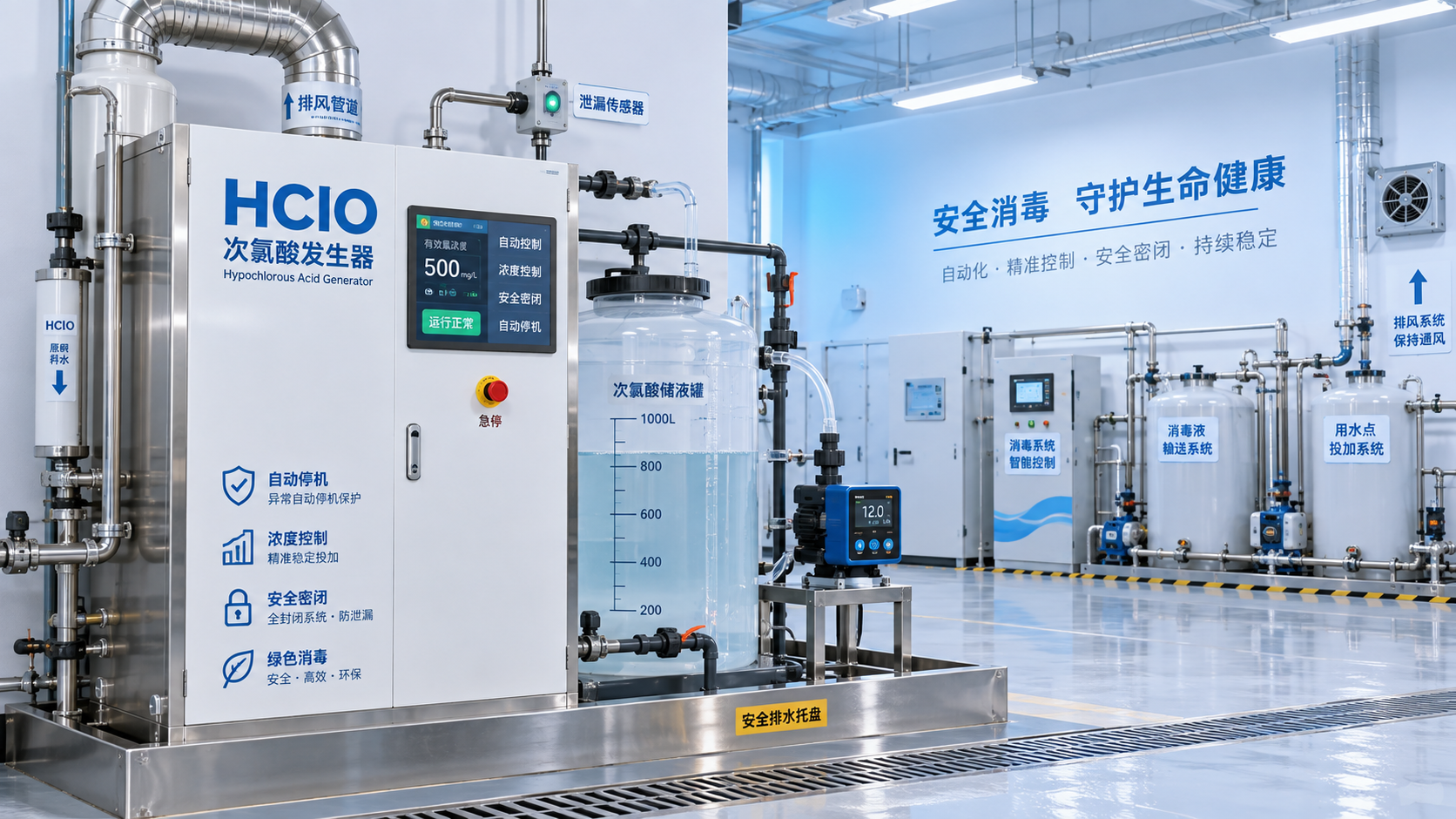
An on-site hypochlorous acid generation system reduces dependence on transported chemicals, improves dosing control, and fits better with automated operating environments.
The stronger signal is not demand alone, but demand quality
Recent demand is becoming more specific.
Facilities are not simply asking for stronger disinfectants.
They are asking for systems that can be measured, repeated, and connected to operating standards.
This matters in automated environments where sanitation affects workflows, equipment availability, and audit readiness.
- More sites want controllable concentration instead of manual dilution.
- More teams are prioritizing chemical handling safety for operators.
- More projects are comparing lifecycle cost, not just purchase price.
- More facilities need sanitation systems that align with sustainability targets.
That combination favors the on-site hypochlorous acid generation system because it turns sanitation from a consumables issue into a controlled utility capability.
Why this change is becoming more visible now
Several pressures are converging at the same time.
The technology itself is not new, but the business case has become clearer.
What stands out is how these forces reinforce each other.
A site pursuing automation often ends up rethinking sanitation at the same time.
The impact is spreading beyond one application area
The on-site hypochlorous acid generation system is no longer limited to narrow disinfection use cases.
Its role is expanding across production, storage, logistics, and environmental hygiene.
In appliance-related manufacturing, it supports cleaner workshops and better process consistency.
In health care and disinfection equipment fields, it aligns with stricter expectations for reliable microbial control.
In food-linked environments, the conversation is moving even further.
For example, Hypochlorous Acid Generator for Fruit Fresh-keeping reflects how the same generation logic is being adapted for fresh produce chains.
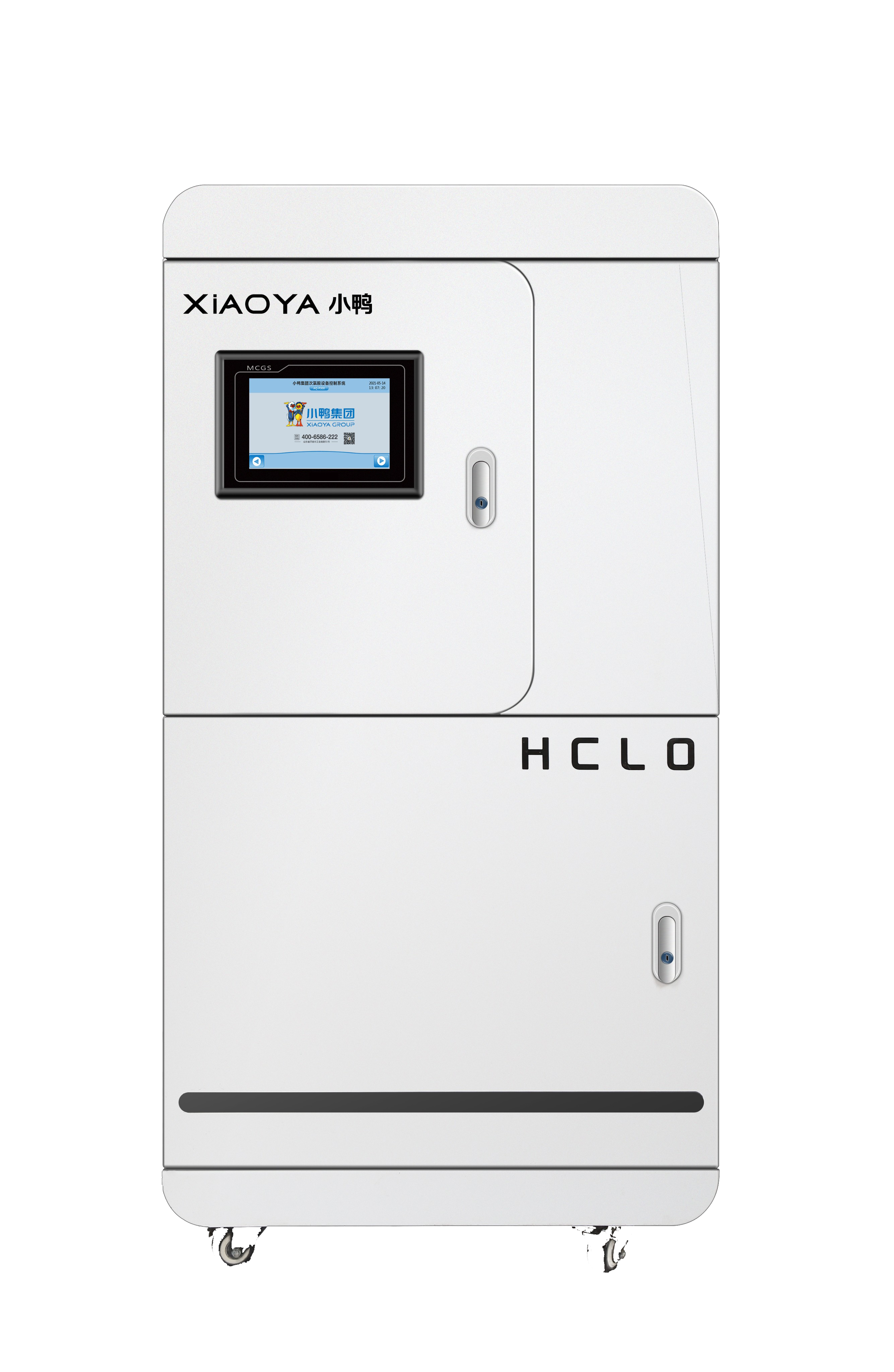
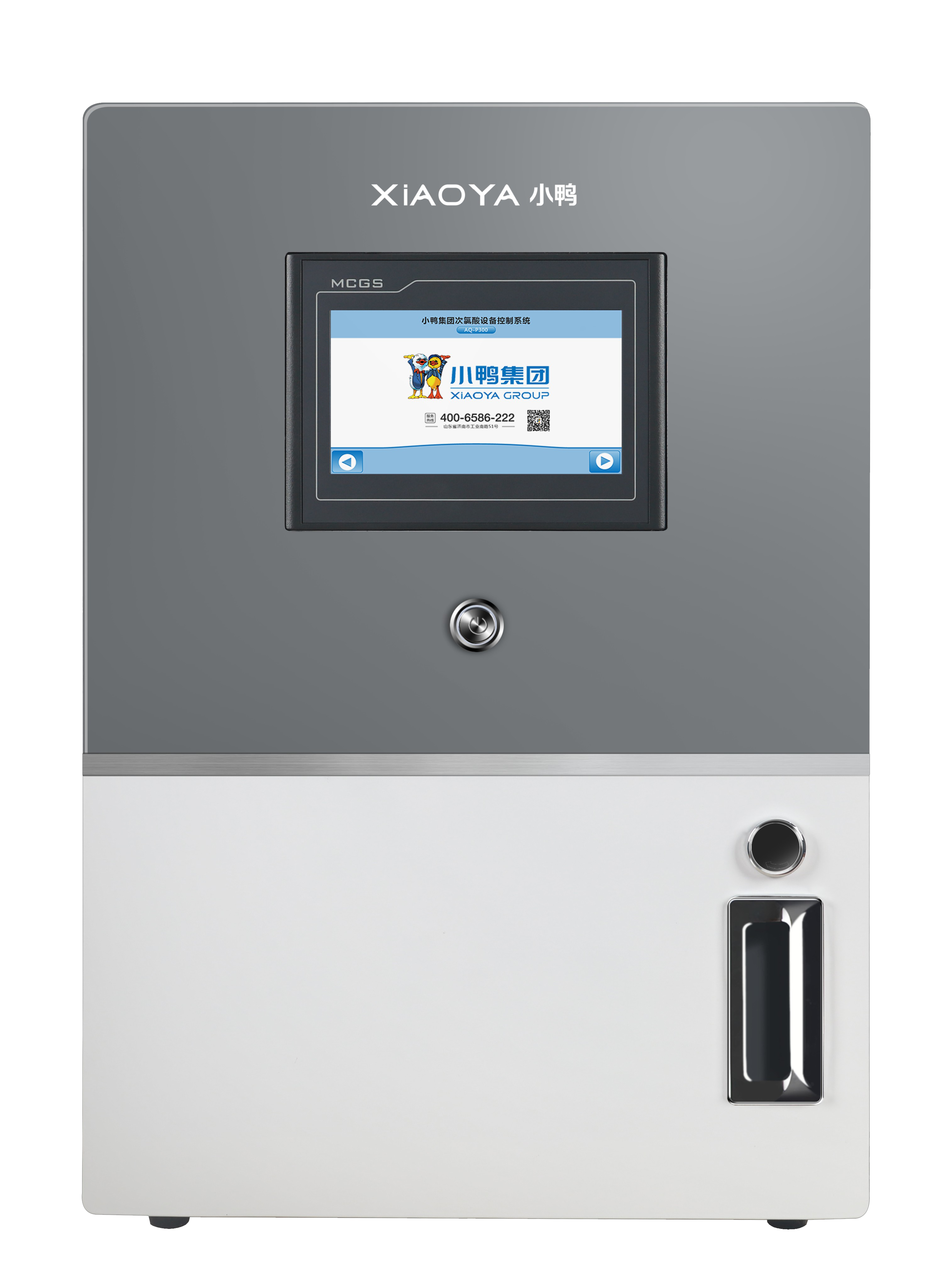
Systems such as model AQ-P300-A can deliver 120 to 300 L/h, with pH values of 5.0 to 6.5.
That makes them relevant for planting bases, processing workshops, warehousing, cold chain links, and export zones.
The broader point is not the product alone.
It shows how facilities increasingly want one sanitation technology platform to support several operating scenarios.
What decision quality now depends on
Adoption is rising, but the difference between a useful investment and a weak one is becoming clearer.
The key question is not whether to install a system.
It is whether the selected configuration matches the actual sanitation task.
- Check output range against real operating volume and shift rhythm.
- Review effective chlorine concentration requirements by application point.
- Assess whether pH stability supports the intended microbial control target.
- Look at component life, maintenance intervals, and utility conditions.
- Confirm how the system connects with spraying, soaking, atomization, or CIP routines.
In actual deployment, technical fit matters more than headline performance.
A compact 220/50, 420 W configuration may be highly efficient in one workflow and insufficient in another.
Where the next phase of adoption is likely to go
The next stage will likely be defined by integration rather than simple installation numbers.
Facilities will compare systems by data visibility, output consistency, and application flexibility.
This is especially relevant for enterprises combining R&D, production, and operations under one business structure.
When development teams, factory teams, and operating teams share the same performance goals, sanitation equipment is evaluated more strategically.
That is one reason the on-site hypochlorous acid generation system continues to gain momentum.
It supports cleaner process control, fewer chemical logistics burdens, and a more resilient hygiene model.
A practical way to respond to the shift
The market direction is becoming easier to read.
Facilities are moving toward sanitation systems that are safer, measurable, and easier to integrate.
The on-site hypochlorous acid generation system fits that direction because it turns disinfection into an operational capability, not just a purchased supply.
A sensible next step is to map current sanitation points, compare concentration and output needs, and test whether one platform can cover multiple scenarios.
That approach makes it easier to judge technical fit, cost stability, and future expansion potential before broader deployment.
NEWS
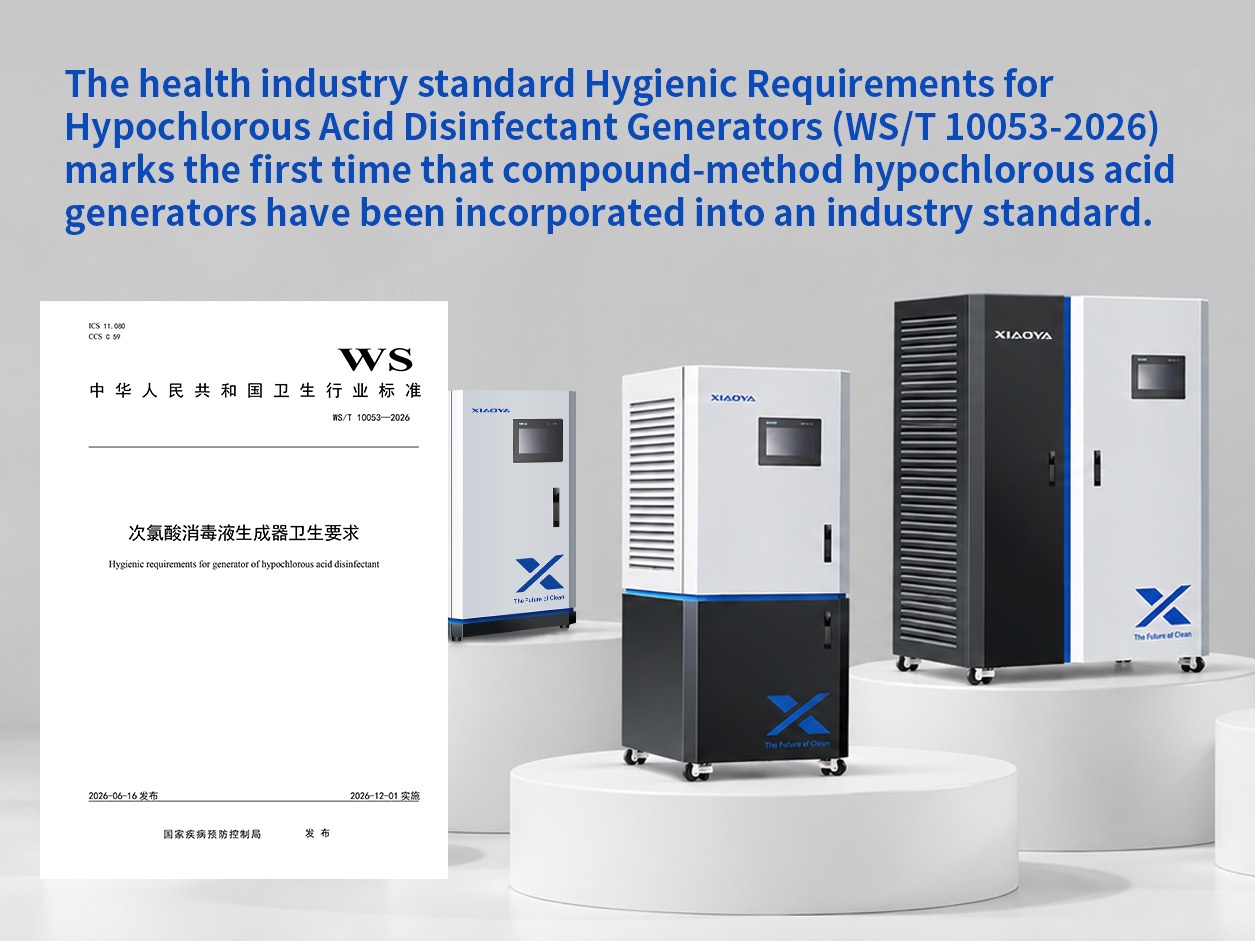
 WS/T 10053-2026 Includes the Compound Method for the First Time: Standard Signals and Market Opportunities for Mass Agricultural Production of Hypochlorous Acid Generators
 Evaluating HClO Generator Lifecycle Costs Beyond the Initial Equipment Price
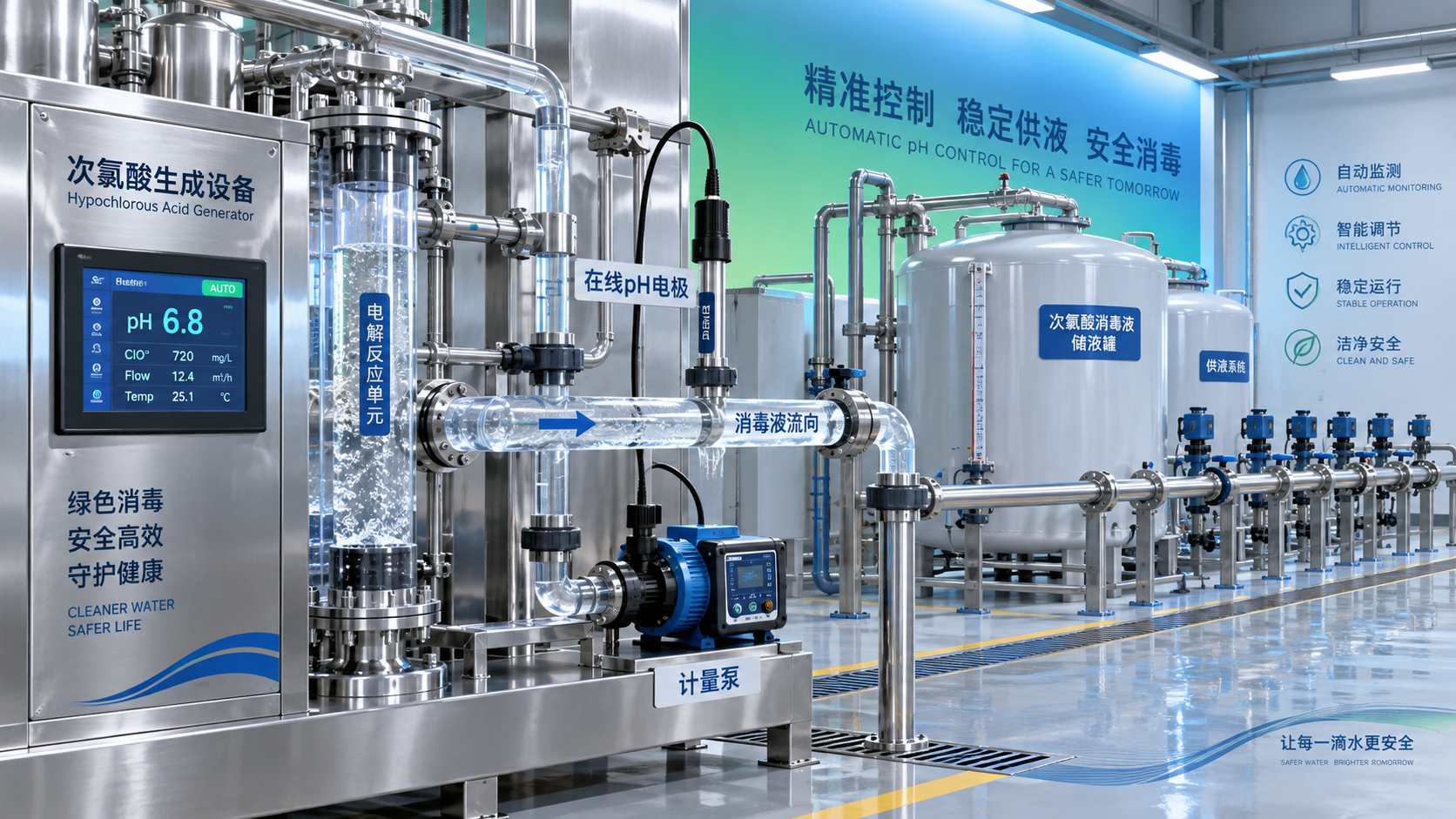
 HClO Generator pH Control: Why It Determines Disinfection Performance
- Which Safety Features Matter Most When Buying an HClO Generator?
 Troubleshooting Low ORP Readings on a Hypochlorous Acid Machine
Leave us a message

Xiaoya Group was founded in 1979,expert in the electrolyzed water industry.
Get in Touch
*We respect your confidentiality and all information are protected.